Recovery time is usually the first question patients ask before scheduling a laser treatment. The redness, swelling, and downtime that come with a CO2 laser session can feel like a bigger commitment than the treatment itself. Pairing CO2 Laser with Exosomes in Seattle changes that timeline in a real way.
This blog explains what exosomes are, how they work with the skin after a CO2 laser session, and what recovery actually looks like from the first day to the final result.
What Happens to Skin After CO2 Laser Treatment?
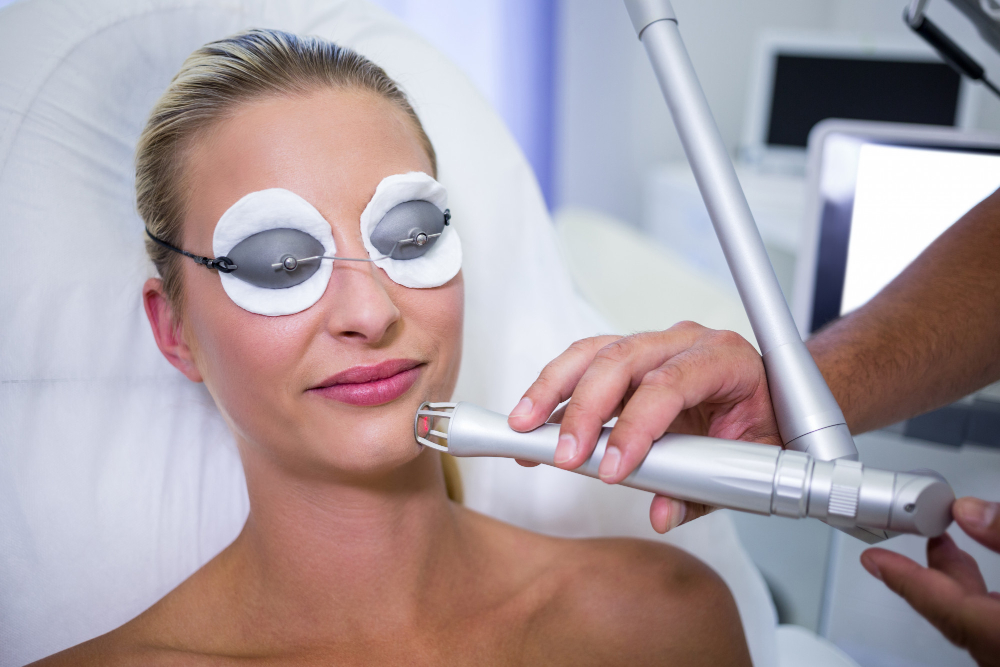
CO2 lasers work by delivering focused heat energy into the skin, which triggers the body’s natural wound-healing response.
- Ablative CO2 lasers: This treatment removes the outer layer of skin entirely, prompting fresh tissue to form underneath.
- Non-ablative and fractional CO2 lasers: This treatment leaves more of the surface intact, treating skin in a grid pattern so healthy tissue surrounds each treated area.
Both approaches rely on inflammation to kickstart repair, which is why redness, swelling, and peeling are a normal part of the process. Practices offering CO2 laser resurfacing walk patients through the differences between these laser types before treatment begins. Adding exosomes to the protocol gives the skin extra support during that repair window instead of leaving it to heal on its own.
What Are Exosomes, Exactly?
Exosomes are tiny extracellular vesicles, far smaller than a cell, that carry growth factors, proteins, and RNA between cells. They act as message carriers, traveling through tissue and delivering instructions that tell cells how to repair, regenerate, and communicate with each other. In skin treatments, exosomes are applied topically or injected after a procedure so they can reach the areas that need repair most. For a closer look at how these vesicles function outside of laser recovery, understanding exosomes covers how they’re used in IV treatments and what current research shows about how they work.
Why Exosomes Make Such a Difference During Recovery
When exosomes are applied right after a CO2 laser session, two things happen:
- Inflammation and redness drop off faster: In the first 24 to 48 hours, swelling and redness tend to be noticeably milder than with the laser alone.
- Re-epithelialization speeds up: Rebuilding the skin’s outer barrier happens faster because the growth factors in exosomes signal skin cells to multiply and migrate more efficiently.
Studies have found that patients who received exosome treatment after laser resurfacing experienced faster recovery, reduced inflammation, and better rejuvenation outcomes compared to laser treatment alone. This is one reason CO2 Laser with Exosomes Bellevue has become such a common search among patients wanting a gentler recovery without sacrificing results.
Recovery Timeline: What to Expect Day by Day
- Day 1 to 2: Mild redness and swelling are typical, though noticeably less pronounced than with laser treatment alone.
- Day 3 to 7: Visible smoothing and brightening begin as the skin barrier finishes rebuilding.
- Week 2 and beyond: Collagen production continues, gradually improving texture and tone over the following months.
More detail on what to expect during each phase, along with common questions, is covered in the Post-Treatment Recovery and Results section of the CO2 laser with exosomes service page.
Why Exosomes Work Better Than Laser Alone
Standard CO2 laser recovery follows a predictable but slower path:
- The skin repairs itself using only its own resources.
- That can mean several extra days of visible redness.
- The skin barrier takes longer to fully close.
Exosome-enhanced recovery shortens that window by supplying the growth factors and signaling molecules the skin would otherwise need more time to produce on its own. The result is less downtime and, in many cases, a smoother final texture. Patients being treated for acne scarring benefit especially from this pairing; CO2 laser resurfacing for acne scars explains how the laser targets scar tissue and why faster healing matters for that specific concern.
Who Should Consider CO2 Laser with Exosomes in Kirkland?
This combination tends to suit patients dealing with:
- Fine lines and sun damage
- Uneven texture
- Crepey skin, especially around the eyes where skin is thinner and slower to heal
- Dark circles and hollowing under the eyes, which respond well to the added regenerative help exosomes provide
Patients already considering PRP for under eye or nano fat transfer for the under-eyes often ask about adding exosomes to their laser treatment for this reason. Anyone researching CO2 Laser with Exosomes in Kirkland with these concerns should bring them up during a consultation, since candidacy depends on skin type, medical history, and treatment goals.
Aftercare Tips to Maximize Exosome Benefits
- Sun protection is the single most important aftercare step, since freshly treated skin is far more vulnerable to UV damage and pigmentation changes.
- Avoid strenuous exercise for the first several days to limit sweating and irritation over healing tissue.
- Stick to provider-approved products. Only these should touch the treated area until the skin has fully closed, since unapproved products can interfere with exosome signaling or introduce bacteria.
Patients interested in extending these regenerative benefits between laser sessions sometimes add microneedling with exosomes to their skincare routine.
How Long Do Results Last?
How closely these aftercare steps are followed also affects how long the results last. Results from CO2 laser with exosomes typically last several months to a year or more, depending on skin type, sun exposure, and how closely aftercare instructions are followed. Collagen production continues well past the initial healing period, which is why results often keep improving for months after the visible redness has faded. Patients looking to maintain results between full laser sessions sometimes turn to RF microneedling with exosomes as a lower-downtime option.
Before and After: See the Results for Yourself
Photos tell the recovery story better than any timeline can. Patients considering CO2 laser with exosomes can browse real before-and-after results in the Before & After Gallery to see how skin texture, tone, and under-eye concerns typically respond.
Why Choose PRP in Seattle for CO2 Laser with Exosomes
At PRP in Seattle, CO2 laser with exosomes treatments are performed by trained aestheticians working under the guidance of board-certified plastic surgeons. That oversight means treatment plans are built around each patient’s skin type and goals rather than a one-size-fits-all protocol.
Schedule a Consultation
Exosomes shorten the recovery window after CO2 laser treatment and give the skin extra support exactly when it needs it most. Patients get less downtime, milder redness in the first few days, and results that continue to improve for months afterward. Anyone ready to discuss whether this treatment fits their skin goals can schedule a consultation directly through the PRP in Seattle team.
For patients weighing their options, CO2 laser with exosomes in Seattle, Bellevue, and Kirkland remains one of the most requested combination treatments for faster, more comfortable laser recovery.
FAQs
Is the treatment painful?
Most patients describe the sensation as mild discomfort rather than pain, and topical numbing is used before the laser session begins.
How many sessions are needed?
Most patients see meaningful improvement within one to three sessions, depending on the depth of the concern being treated.
How much does CO2 laser with exosomes cost?
Pricing depends on the treatment area and number of sessions and is reviewed in detail during a consultation.
Are there risks or side effects?
Temporary redness, swelling, and mild peeling are expected. More significant risks are rare when the treatment is performed by a qualified provider.