
Category

Platelet Rich Fibrin

Why Seattle Patients Are Choosing PRF Knee Therapy Over Steroid Shots

By Platelet Rich Fibrin

Persistent knee discomfort can make everyday activities, from commuting on Metro buses to weekend hikes, feel increasingly difficult. Steroid injections have long been used to manage these symptoms, but their temporary nature leaves some patients looking for alternatives. PRF knee Injection, a biologic treatment created from a patient’s own blood components, is becoming a popular option for those interested in a different approach. In this blog, we’ll explain what is driving that shift and what patients should understand when weighing PRF against steroid injections.

What Is PRF?

Platelet-rich fibrin (PRF) is created from a patient’s own blood, using a simple process where a small sample is drawn and spun in a centrifuge. This separates and concentrates platelets, fibrin, and growth factors into a gel-like matrix. These components have been studied for their potential role in supporting tissue repair and moderating inflammation.

Because PRF is autologous, meaning it comes from the patient’s own blood, it minimizes risks related to immune rejection or allergic reaction.

PRF vs. Steroids for Knee Treatment

Corticosteroid injections have been used for years to reduce inflammation and ease joint pain. They may provide short-term relief, but the effects often wear off. Repeated use may be limited because frequent steroid exposure has potential risks for cartilage and soft tissue.

How PRF Differs

PRF does not work like steroids. It does not suppress inflammation chemically; instead, it delivers platelets and fibrin from the patient’s own blood. These components have been studied for their potential to support natural healing processes, although outcomes vary and research is ongoing. PRF is not a replacement for steroids in every case, but it represents a biologic alternative.

Conditions PRF Knee Injections May Address

PRF injections are sometimes used in conservative orthopedic settings when patients still have adequate joint structure and are seeking non-pharmacologic, biologic options. These injections are generally explored in cases where cartilage, ligaments, and surrounding tissues are intact enough for biologic treatments to be meaningful. In contrast, advanced bone-on-bone arthritis or significant meniscal loss often requires evaluation for surgical approaches rather than biologic injections.

Situations where PRF may be considered include:

  • Early to moderate knee osteoarthritis
  • Minor meniscal sprains or small, stable tears
  • Patellofemoral pain (“runner’s knee”)
  • Post-surgical swelling or partial ligament strains (MCL or LCL)
  • Chronic tendon irritation around the kneecap or quadriceps

These indications reflect how PRF is commonly incorporated within broader, non-surgical orthopedic care plans, depending on patient evaluation and provider recommendation.

How PRF Knee Injections Differ From Other Injection Options

Because it does not include corticosteroids or synthetic additives, it is sometimes chosen by patients who prefer drug-free, biologic options. Common reasons patients and clinicians explore PRF as part of a conservative knee-care plan include:

  • Autologous composition: Made entirely from the patient’s own blood.
  • Non-steroid alternative: Does not rely on corticosteroids or hyaluronic acid.
  • Different injection schedule: Some protocols involve one to several sessions rather than frequent or seasonal injections.
  • Short activity restrictions: Many protocols allow light activity shortly after the procedure, depending on provider instructions.
  • Low likelihood of allergic reaction: Autologous biologics generally minimize immune-response concerns, though all procedures carry risk.

PRF is not a replacement for steroids or surgery, but it represents one option within the broader landscape of non-surgical knee treatments. Providers determine suitability based on imaging, exam findings, and the overall condition of the joint.

What to Ask Your Provider Before Choosing PRF

If you live in Seattle and are considering PRF knee therapy, it’s wise to enter with realistic expectations. Before booking, you might ask:

  • Is the PRF preparation leukocyte-rich? (This can affect inflammation and outcomes.)
  • How many injections are recommended, and at what intervals?
  • Will you use ultrasound-guided injection for accuracy?
  • Is there a plan for follow-up and to track functional improvement over time?

Because research is ongoing, responsible providers approach PRF as one piece of a comprehensive joint-care strategy.

Conclusion

For some Seattle patients exploring options beyond corticosteroid injections, PRF therapy is considered a biologic, non-pharmacologic alternative that may fit into certain conservative care plans. Because it is derived from a patient’s own blood components, PRF is one approach that providers may discuss when evaluating non-surgical strategies for PRF treatment for knee discomfort.

At the same time, outcomes vary, and suitability depends on multiple factors including joint condition, imaging findings, and complementary treatments. PRF should be viewed as one possible component within a broader orthopedic management plan, and not as a replacement for established surgical options when those are indicated. Experienced providers can help determine whether this type of biologic injection is appropriate based on individual assessment and current clinical guidelines. If you are considering this option, call us at (206) 279-2112 to schedule an appointment.

PRF & PRP EZ Gel for Bright, Rested Under‑Eyes

2025’s Biggest Aesthetic Trend in Seattle: PRF & PRP EZ Gel for Bright, Rested Under‑Eyes

By Platelet Rich Fibrin, prp microneedling

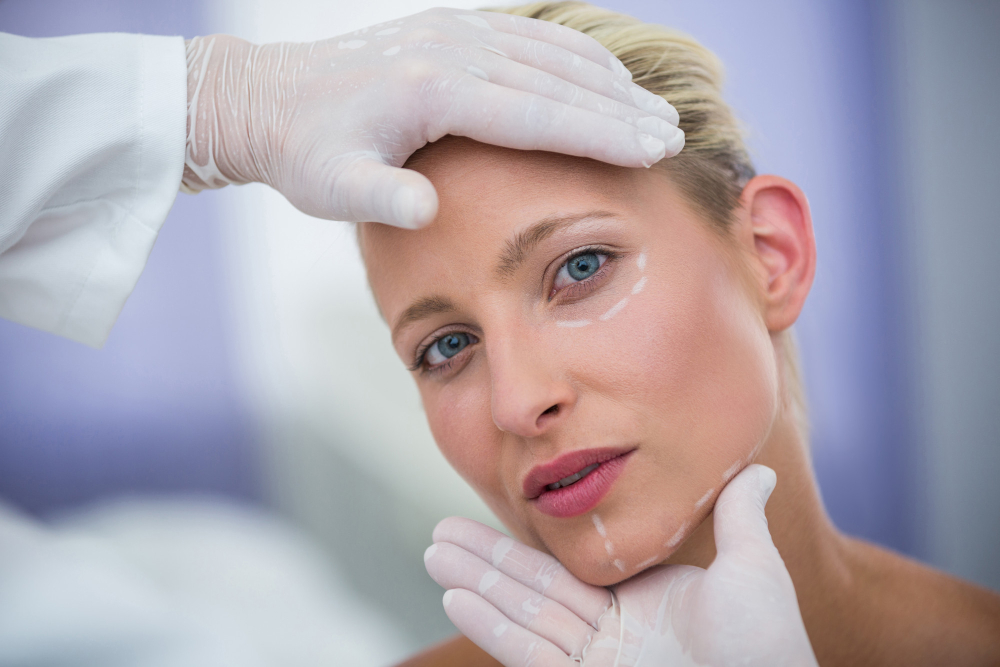
Patients want results that look natural, feel subtle, and fit busy schedules. That’s why platelet-rich fibrin (PRF) and PRP EZ Gel under‑eye treatments lead the 2025 aesthetics trend. These biostimulatory options use your own blood components to softly fill hollows, smooth crepey texture, and refresh dark circles—without the “overfilled” look. At PRP In Seattle, board‑certified providers design personalized plans that keep results natural and downtime minimal.

Why PRF & PRP EZ Gel stand out now

PRF forms a gentle fibrin matrix that releases growth factors over time. In the tear trough, that slow release supports gradual, believable improvement in tone and volume. PRP EZ Gel adds structure with a condensed, gel‑like consistency, so providers can place it precisely where you need support. Together, they deliver a refreshed, well‑rested look you can take to work the next day.

Smart combos that boost under‑eye results

You can stack under‑eye PRF/EZ Gel with collagen‑building procedures for texture, fine lines, and pigment. Patients often pair treatments with CO2 laser resurfacing or radiofrequency (RF) microneedling; some also add exosomes for an extra rejuvenation nudge. These combinations target crepiness and dullness around the eyes while PRF/EZ Gel addresses hollows—so your entire eye area looks cohesive, not piecemeal.

Who makes a great candidate?

You want a softer, brighter under‑eye without fillers or surgery. You prefer natural materials and steady, progressive improvement. You can handle a brief series of visits (often planned as a short sequence), then maintain annually as needed. During consultation, your provider will review goals, exam findings, and any skin procedures that could amplify results. PRP In Seattle routinely builds series‑based plans for under‑eye rejuvenation.

Related options patients ask about

Many Seattle patients explore full‑face texture and hair or joint support while they rejuvenate the under‑eye:

For now, most medical experts and guidelines recommend PRP only within clinical trials until stronger evidence is available. If you’re interested, schedule an appointment with our experts by contacting us at (206) 279-2112.

FAQs

How many sessions will I need?

Most people plan a short series to build results, then schedule touch‑ups to maintain them. Your provider will personalize the timeline during consultation based on your anatomy and goals. PRP In Seattle commonly structures under‑eye treatments in series.

Can I combine under‑eye PRF/EZ Gel with lasers or RF?

Yes. Many patients pair PRF/EZ Gel with CO2 laser or RF microneedling, sometimes with exosomes, to smooth texture and brighten the skin while PRF/EZ Gel restores volume. Your provider will map the order of treatments to minimize downtime.

What kind of downtime should I expect?

You may see mild swelling or pinpoint bruising for a few days. Most patients resume normal routines quickly. Care instructions focus on gentle skincare, sun protection, and spacing any energy‑based procedures as recommended by your provider.

Why choose PRP In Seattle?

You receive care from board‑certified providers who specialize in PRP/PRF and advanced skin rejuvenation. The team offers a full menu—under‑eye PRF/EZ Gel, microneedling with PRP, CO2 laser, RF microneedling, and exosome add‑ons—so you get a cohesive plan, not a one‑off treatment.

A Photo for a Blog Post About Can PRP Injections Cause Blood Clots

Can PRP Injections Cause Blood Clots?

By Platelet Rich Fibrin, Platelet Rich Plasma, PRP Injections

Platelet rich plasma’s job within the blood is to help it clot at the site of an injury. Therefore, as a clotting agent, this can make some patients a little hesitant about injecting it into their body. Let’s look at the question, “Can PRP injections cause blood clots?”

The risk of PRP injections causing blood clots is astronomically low. Just like any typical injection, the chances of platelet rich plasma causing any issues with the actual function of your blood is unlikely. Additionally, with traditional PRP injections, an anti-coagulant is added to the PRP to prevent any unwanted or unnecessary clotting.

PRF—another derivative of PRP—does not contain an anti-coagulant. There usually is a visible clot within the PRF. This does mean it comes with a very slightly elevated risk of blood clots than when compared with PRP. However, this is exceptionally rare. If a patient is prone to blood clots or has certain blood diseases, they will want to report this to their provider so a proper treatment plan can be devised.

To learn more and schedule a consultation, call us at 206-279-2112 or reach out online via chat or contact form.

A Photo For A Blog Post About What Is The Best Non-Surgical Hair Restoration Procedure

What Is The Best Non-Surgical Hair Restoration Procedure?

By Hair Restoration, Platelet Rich Fibrin, Platelet Rich Plasma

When it comes to treating hair loss non-surgically, there are now several known and effective options. However, identifying the best one is difficult and often subjective. So, let’s look deeper into the question, “What is the best non-surgical hair restoration procedure?”

Ultimately, the answer to this question will likely vary from person to person due to individual experiences with hair loss and hair restoration procedures. Topical medications like minoxidil provide at least some results for almost everyone. They are a tried and tested non-surgical hair restoration method that has been used for decades.

However, minoxidil does not work forever or for everyone. It also does little to truly repair the hair follicles damaged by hormones. This is where platelet rich plasma or platelet rich fibrin can help. These two injectable options treat the hair follicles and help repair the damage. However, results vary more than topical medications. Though, the results can also be more dramatic.

Certain low level laser therapy has shown promise for non-surgical hair restoration. However, it appears to potentially work best in conjunction with other hair restoration methods. 

To learn more and schedule a free consultation, call us at 206-279-2112. You can also reach out online via chat or contact form.

A Photo For A Blog Post About What Are Dos And Don’ts After PRP

What Are Dos And Don’ts After PRP

By Hair Restoration, Platelet Rich Fibrin, Platelet Rich Plasma

What Are Dos And Don’ts After PRP

As a non-surgical hair restoration method, platelet rich plasma injections offer less downtime and recovery than a traditional hair transplant surgery. However, you do need still need to use caution to prevent damaging your results or promoting complications. Here are some dos and don’ts after PRP.

DO: Take It Easy

While you do not need to take time off work and can go about your daily activities, it is best to refrain from strenuous activities. Sweating can cause irritation and worsen swelling. Additionally, in rare cases, it can complicate results. Some people do choose to take a day or two off work, but this is not necessary.

DON’T: Shower For A Couple Of Days

Like with hair transplant surgery, you will want to wait to shower. Depending on your exact procedure, you generally can shower within 24 to 48 hours of your procedure. Your provider can better guide you on this. Still, you will want to be careful when doing so.

DO: Continue Using Other Hair Restoration Methods

After one to two days, you can resume using minoxidil or other at-home hair restoration methods. This can help improve your results over time.

DON’T: Drink Or Smoke

While not a surgical procedure, drinking and smoking can promote complications and hinder results from PRP and PRF hair restoration.

To learn more and schedule a consultation, call us at 206-279-2112. You can also reach out online via chat or contact form.

A Photo For A Blog Post About What Can I Do Instead Of Hair Transplant Surgery

What Can I Do Instead Of Hair Transplant Surgery?

By Hair Restoration, Platelet Rich Fibrin, Platelet Rich Plasma

Hair transplant surgery—while much less invasive and more effective than it used to be—patients usually want to explore options other than hair transplantation. Unfortunately, at a certain point of hair loss, a hair transplant becomes the only effective option. However, if you have not yet reached that point, there are several non-surgical options. So, “What can I do instead of hair transplant surgery?”

The first option is topical treatments. This usually comes in the form of specialized shampoos, or a foam you apply once a day. These options are effective for people who have not seen extensive hair loss, but are in the early stages. They are commonly used with other non-surgical options. 

PRP and PRF hair restoration is the next step up. This involves realigning your growth factors so that you have more in the skin of your scalp. From there, this can help repair damaged hair follicles and slow the progression of hair loss. Many patients will undergo these treatments while using a topical treatment.

More recent studies have shown that low level laser therapy has shown promise in promoting hair growth. Though, it may be a better used as a supplement than as a sole hair restoration treatment. 

To learn more and schedule a consultation, call us at 206-279-2112. You can also reach out online via chat or contact form.

A Photo For A Blog Post About How Long Does It Take PRF To Absorb

How Long Does It Take PRF To Absorb?

By Hair Restoration, Platelet Rich Fibrin

PRF—which stands for platelet rich fibrin—is a substance that is derived from the patient’s blood and re-injected to promote a healing response. This can help restore hair and repair hair follicles. It can also help rejuvenate skin and add natural looking volume. Patients often want to know, “How long does it take PRF to absorb?”

PRF absorbs quickly, but the effects can take several weeks to become visible. Like with PRP, multiple sessions are often needed to obtain the desired results. This is because while PRF absorbs quickly, the healing and collagen response that it sets off lasts for weeks. Due to this, it may seem like it is slow absorbing.

PRF is slightly slower absorbing than PRP. This is because an anti-coagulant is added to PRP and thus it contains only the plasma. The clotting in PRF does mean it absorbs slower, but also induces a stronger response than PRP alone.

To learn more and schedule a consultation, call us at 206-279-2112. You can also reach out online via chat or contact form.

A Photo For A Blog Post About Does PRF Hurt

Does PRF Hurt?

By Hair Restoration, Platelet Rich Fibrin

Platelet rich fibrin (PRF) is the newest generation of PRP treatment. Unlike traditional PRP, PRF is allowed to clot to promote better healing after injection. Thus, patients often wonder if PRF injections are more painful than PRP injections. Let’s take a closer look at the frequently asked question, “Does PRF hurt?”

Platelet rich fibrin injections do not hurt significantly more than PRP injections. It is injected in small amounts across the scalp, making the clot contained in PRF be distributed throughout the treatment area. This then stimulates the healing process and increases blood flow. In the case of hair restoration, this can help grow new hair and repair hair follicles.

There is some expected discomfort associated with both PRP and PRF injection treatments. Your injector will usually apply a topical anesthetic to numb the area before beginning the treatment. In cases where a large area is treated, they may reapply numbing cream or use longer lasting lidocaine injections.

To learn more and schedule a consultation, call us at 206-279-2112. You can also reach out online via chat or contact form.

A Photo For A Blog Post About Does PRP Hair Restoration Work

Does PRP Hair Restoration Work?

By Hair Restoration, Platelet Rich Fibrin, PRP Injections

Does PRP Hair Restoration Work?

Platelet rich plasma hair restoration is becoming one of the top non-surgical hair restoration procedures for people in the early stages of hair loss. It can even help people who have seen more significant loss, though it cannot substitute for a hair transplant, if necessary. Thus, it can be confusing to understand how and if PRP hair restoration works. Let’s take a deeper look at the question, “Does PRP hair restoration work?”

PRP hair restoration is a great option for patients who have not yet lost all of their hair and generally on the younger side. Some people—regardless of this—may still not see the desired results from adequate PRP treatment. However, this is rare and most people will see some noticeable results.

Platelet rich plasma helps repair the hair follicles damaged by hormones or other factors. This promotes more and better hair growth. While it cannot prevent these hair follicles from becoming damaged again, using other hair restoration methods and/or undergoing future touch-ups can help slow and prevent this. 

To learn more and schedule a consultation, call us at 206-279-2112. You can also reach out online via chat or contact form.

A Photo For A Blog About Where Can PRF Be Injected

Where Can PRF Be Injected?

By Platelet Rich Fibrin, PRP Injections

PRF—or platelet rich fibrin—is considered the new generation of platelet rich plasma and is replacing many of the traditional PRP treatments. However, it does a slightly different composition and does not use any anticoagulants, so patients wonder if this means it cannot be injected in as many places. So, where can PRF be injected?

For the most part, platelet rich fibrin can be injected anywhere PRP or dermal fillers can. When it comes to treating hair loss, the injections are superficial enough for the PRF not to have any more risks than PRP and less risks than most dermal fillers. 

When injected deeper into the skin, there may be slightly more risk than with platelet rich plasma. However, there is still much less risk than with dermal fillers. Therefore, for areas such as the under eyes and nasolabial folds, PRF is still a great option with few risks.

A few common PRF injection sites include:

  • Scalp
  • Under eyes
  • Acne scars
  • Nasolabial folds
  • Marionette lines
  • Lips

To learn more and schedule a consultation, call us at 206-279-2112. You can also reach out online via chat or contact form.