Category

Platelet Rich Plasma

PRP WOW Shot vs. Standard PRP

By Platelet Rich Plasma

Platelet-rich plasma (PRP) therapy has become one of the most popular regenerative treatments available today. From supporting hair growth to refreshing the skin and assisting with joint care, PRP’s natural, minimally invasive approach appeals to patients who want results without relying on synthetic substances. As its popularity grows, so does the variety of methods clinics use to prepare and administer PRP.

Two terms patients commonly encounter are “Standard PRP” and “PRP WOW Shot.” At first glance, they may seem similar, since both involve drawing a patient’s blood and concentrating the platelets. However, these labels refer to different preparation styles, equipment, and levels of refinement within the PRP process. This guide walks you through the fundamentals of PRP, what differentiates Standard PRP from the PRP WOW Shot, and how to determine the right fit for your treatment plan.

What Is PRP and Why Is It So Popular?

PRP therapy uses a patient’s own blood to create a concentrated solution of platelets, growth factors, and other beneficial components. These elements play a natural role in tissue repair and regeneration. When placed into targeted areas, such as the scalp, skin, or joints, PRP supports the body’s natural processes.

Patients appreciate PRP for many reasons:

  • It uses autologous material (your own blood)
  • It’s versatile and can be applied across multiple specialties
  • It fits well into holistic wellness or aesthetic regimens
  • It requires little downtime
  • It can complement other treatments

Because PRP is customizable and adaptable, different clinics have developed their own protocols to refine how PRP is prepared and delivered. This is where Standard PRP and defined protocols like the PRP WOW Shot come into the picture.

What Is Standard PRP?

Standard PRP refers to the classic method of drawing blood and concentrating platelets using centrifugation. The exact steps may vary slightly depending on the equipment used, but the general process includes:

  1. A simple blood draw
  2. Centrifugation to separate platelets from red blood cells
  3. Collection of platelet-rich plasma for treatment
  4. Injection or application, depending on the area being treated

Standard PRP has been widely used across medical and aesthetic specialties because it provides flexibility in a wide range of applications.

Patients often choose Standard PRP because:

  • It is widely available
  • It can be tailored to many treatment types
  • It supports natural biological processes
  • It has a long record of safe use

Standard PRP remains an option for patients seeking a traditional approach rooted in widely used foundational techniques.

What Is the PRP WOW Shot?

The PRP WOW Shot for Hair Loss Seattle is a more structured, protocol-specific approach to PRP. Rather than simply drawing and spinning blood, the WOW Shot uses a defined preparation system designed to deliver a consistent level of platelet concentration and growth factors.

While the exact protocol may vary by clinic offering it, the WOW Shot typically includes:

  • A specialized centrifuge system designed for high-purity separation
  • A standardized preparation process that aims for consistency
  • Enhanced platelet concentration ranges
  • A refined injection technique or application sequence

The WOW Shot is designed for patients who want a structured, well-defined protocol with attention to consistency, preparation quality, and technique.

Patients often choose the PRP WOW Shot because:

  • It provides a systematic, multi-step approach
  • It aims for highly concentrated PRP output
  • It can be incorporated into combination treatments
  • It offers a branded, recognizable process with specific steps

Both Standard PRP and the WOW Shot share the same foundation: using your own blood to support natural regeneration. The primary difference is how the PRP is prepared and delivered, not the core principle behind the therapy.

PRP WOW Shot vs. Standard PRP

Category Standard PRP PRP WOW Shot
Preparation Method Uses general centrifugation to separate platelets. Follows a branded, protocol-driven preparation system for consistency and precision.
Concentration Levels Concentrates platelets to standard therapeutic levels. May target specific platelet concentration ranges depending on device and technique.
Treatment Structure Flexible; can be customized based on provider preference and patient needs. Follows a defined multi-step sequence designed to optimize output and application.
Use Cases Hair restoration, skin rejuvenation, joint applications. Hair restoration, skin rejuvenation, joint applications.

The Bottom Line

Choosing the right method depends on your goals, your provider’s expertise, and the type of experience you prefer: traditional and flexible, or branded and protocol-driven. Call us at (206) 279-2112 to schedule a consultation and find out which approach might suit your needs. 

FAQs

Is the PRP WOW Shot more expensive?

The PRP WOW Shot is often priced higher because it uses a more structured protocol and specialized preparation system. Costs vary by clinic, so it’s best to compare based on the specific methods and technology being used.

Does the PRP WOW Shot hurt more?

Both the PRP WOW Shot and Standard PRP typically feel similar because they involve the same process of drawing blood and making targeted injections.

Which is better for hair loss: Standard PRP or the WOW Shot?

Both methods can be used effectively for hair restoration, and the right choice depends on your goals, hair density, and your provider’s experience with each approach. A consultation can help determine which preparation style aligns most closely with your needs.

How long do the results of the PRP WOW Shot last compared to Standard PRP?

Results vary from person to person, and longevity depends on factors like treatment plan, lifestyle, and individual biology.

Non-Surgical Joint Relief: PRP Knee Injections in Seattle, Bellevue & Kirkland

By Platelet Rich Plasma

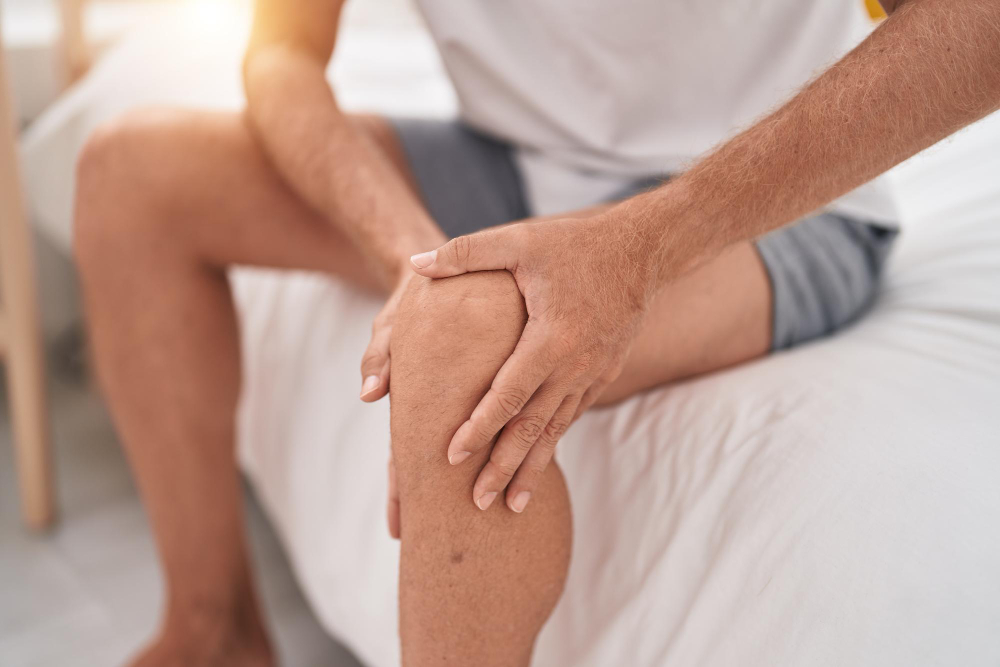
When knee pain starts limiting your daily activities, walking, climbing stairs or simply getting out of a chair, it’s natural to wonder whether surgery is the only option. Fortunately, for many patients in Seattle, Bellevue and Kirkland, non-surgical options like platelet-rich plasma (PRP) knee injections Seattle are gaining traction as alternatives to invasive procedures. This blog explores what PRP knee injections are, how they work, who might benefit, and what to expect when seeking this treatment.

What Are PRP Knee Injections?

PRP, or platelet-rich plasma, is derived from a patient’s own blood and contains a concentrated mix of platelets and growth factors that facilitate tissue repair. In a knee injection, the practitioner draws a small amount of blood, processes it in a centrifuge to isolate the PRP, then injects the concentrate into the knee joint under guidance. Because the fluid comes from your own body, risks like allergic reaction or rejection are minimal.

Why Consider PRP for Knee Pain in Seattle?

Knee arthritis, cartilage wear, and chronic joint pain are common in active adults and older patients alike. Traditional treatments include medications, physical therapy, corticosteroid injections or ultimately surgery. But PRP offers a regenerative, non-surgical option that may reduce inflammation and support tissue recovery. For residents of Seattle, Bellevue and Kirkland who lead active lives, want to avoid downtime and seek minimally invasive solutions, PRP is increasingly on the radar.

Conditions Commonly Treated with PRP Knee Injections

  • Mild to moderate knee arthritis
  • Pain around the kneecap from overuse (runner’s knee)
  • Ongoing irritation of the patellar or quadriceps tendons
  • Meniscus injuries or soreness after meniscus surgery
  • Swelling or slow healing after knee procedures

How the Procedure Works

  1. Initial Evaluation & Planning
    Your surgeon or sports medicine specialist will review knee symptoms, imaging, prior treatments and overall health.
  2. Blood Draw & Processing
    A small sample of blood is drawn and spun in a centrifuge to concentrate platelets and growth factors.
  3. Injection into the Knee Joint
    Under sterile conditions and often using ultrasound guidance, the PRP is injected into the affected area of the knee. 
  4. Post-Injection Recovery
    Patients may be advised to limit weight-bearing, modify activity and follow a rehab protocol. A gradual return to motion and strengthening often begins within days.
  5. Follow-Up & Monitoring
    Results may evolve over weeks to months; multiple injections are sometimes recommended depending on response.

What Are the Benefits of PRP Knee Injections?

  • Minimally Invasive: No incisions, less downtime compared to surgery.
  • Uses Your Own Tissue: Lower risk of immune reaction.
  • Reduced Inflammation & Potential Improved Function: Patients may show improved mobility and joint comfort.

What to Keep in Mind (Limitations & Safety)

  • Results vary widely.
  • PRP is not a cure for advanced joint destruction; structural damage may still require surgery.
  • Mild after-effects may include temporary swelling and discomfort at the injection site.
  • Need to keep realistic expectations. Joint improvement is gradual and often combined with physical therapy.

Is PRP Right for You?

You may be a good candidate if you:

  • Have knee pain from early to moderate arthritis or tissue injury
  • Want to explore non-surgical options before considering joint replacement
  • Are in good overall health and willing to commit to post-injection rehab
  • Understand that results may take weeks and multiple treatments may be needed

A consultation at PRP In Seattle includes an assessment of your knee joint, imaging review and discussion of realistic goals for PRP.

Considering PRP Knee Injections?

If knee pain is slowing you down and you want to explore non-surgical options, PRP knee injections may be the next step. Whether you are in Seattle, Bellevue or Kirkland, call us at (206) 279-2112 to schedule a consultation for evaluation and personalized treatment planning. Let’s determine whether PRP is a fit for your knee health and mobility goals.

Frequently Asked Questions

How many PRP injections will I need?

The number of injections varies. Some patients may improve with one session; others may require two or three spaced weeks apart based on joint response and provider protocol. 

Is PRP safe for knee arthritis?

Yes, when performed by a qualified provider, PRP is generally well tolerated because it uses your own blood. Mild side-effects are possible, and serious complications are rare.

Can PRP replace knee replacement?

In some early or moderate cases PRP may help delay the need for knee replacement, but it is not a guaranteed substitute if the joint damage is advanced.

Non-Surgical Male Enhancement: The PRP Penile Shot

By Platelet Rich Plasma, PRP Injections

Conversations about male sexual health and wellness are becoming more open and proactive. Men are increasingly seeking medically sound options to address their personal concerns, and the focus is shifting towards non-surgical, regenerative approaches. One of the most prominent of these is the PRP penile shot

In this blog, we’ll explain the science behind the procedure, detail what to expect during a session, and outline the characteristics of an ideal candidate, allowing you to make a well-informed decision.

What is Platelet-Rich Plasma (PRP)?

Before understanding the specific application, it is essential to understand the science of PRP itself. Platelet-rich plasma is a concentrate derived from a small sample of your own blood. The process is straightforward:

  1. A simple blood draw is performed, similar to a routine lab test.
  2. The blood is placed into a sterile tube.
  3. This tube is spun in a centrifuge, a machine that uses high-speed rotation to separate the blood into its distinct components: red blood cells, white blood cells, and platelet-rich plasma.

The resulting PRP is a golden-colored fluid that contains a significantly higher concentration of platelets than is found in whole blood. Platelets are the body’s first responders to injury, and they are rich in hundreds of proteins called growth factors. 

When this concentrate is strategically reintroduced into the body, these growth factors signal to local cells, supporting the body’s natural repair and regeneration processes. Extensive research, including studies available through the National Institutes of Health (NIH), has explored the role of these growth factors in cellular function and tissue healing.

The PRP Penile Shot Explained

The PRP Penile Shot is a medical procedure that should only be performed in a sterile, clinical environment by a qualified provider. The process is designed for patient comfort and safety.

  • Step 1: The Confidential Consultation: The process begins with a private consultation. This is a crucial step to discuss your personal goals, review your medical history, and determine if you are a suitable candidate. 
  • Step 2: Blood Draw and PRP Preparation: A small amount of blood is drawn from your arm. This blood is then processed using a specialized centrifuge to create the high-concentration PRP needed for the procedure.
  • Step 3: Anesthetic Application: To ensure patient comfort, a potent, medical-grade topical numbing cream is applied to the treatment area. This significantly minimizes any sensation during the procedure.
  • Step 4: The Injection Process: Once the area is fully numb, the provider uses a very fine needle to inject the prepared PRP into specific, anatomically precise locations along the penile shaft and glans. The technique is methodical and designed to distribute the growth factors where they can be most effective. The entire injection process is typically completed in just a few minutes.
  • Step 5: Post-Procedure Instructions: Following the procedure, you will be given simple aftercare instructions. There is typically no mandatory downtime, and most men can return to their normal daily activities immediately.

Potential Benefits of PRP Penile Shot

The primary goal of the erectile dysfunction Seattle is to use the growth factors in PRP to support the health of the penile tissues. The growth factors are believed to promote several key biological processes:

  • Support for Blood Flow: PRP contains growth factors that may support processes involved in healthy blood flow.
  • Cellular Support: PRP may support cellular signaling pathways associated with natural tissue maintenance.
  • Nerve Function: Healthy tissue and circulation are associated with normal nerve function, and PRP may support these natural processes.

By supporting these foundational aspects of tissue health, the procedure aims to enhance the body’s own natural mechanisms.

Who is an Ideal Candidate for the PRP Penile Shot?

This procedure is a personal choice and is not suitable for everyone. An ideal candidate can be someone who:

  • Is seeking a non-surgical, minimally-invasive option to address sexual health concerns.
  • Is experiencing changes in erectile function or sensitivity.
  • Is in good overall health.
  • Has realistic expectations about the outcomes of a regenerative procedure.
  • May be looking to complement other physician-managed therapies.

It is important to note that this procedure is not intended as a primary treatment for severe erectile dysfunction, which may require a different medical approach.

The Critical Importance of a Qualified Provider

The safety and effectiveness of a PRP penile shot Seattle are directly dependent on the expertise of the practitioner performing it. This is a medical procedure that requires a deep understanding of male anatomy, sterile technique, and PRP preparation. A qualified provider at a reputable clinic like PRP in Seattle will:

  • Conduct a thorough medical consultation.
  • Perform the procedure in a sterile setting.
  • Have extensive experience with this specific application of PRP.

Choosing an unqualified injector poses significant risks and compromises the integrity of the treatment. To learn more, call us at (206) 279-2112 to schedule a consultation.

Non-Surgical Brazilian Butt Lift with PRP & ACell: What You Should Know

By Platelet Rich Plasma

Introduction: The Revolutionary Alternative to Traditional BBL

The Brazilian Butt Lift has become one of the most sought-after cosmetic procedures in recent years. However, not everyone desires or qualifies for the traditional surgical approach. Enter the Non-Surgical Brazilian Butt Lift with PRP & ACell – a groundbreaking treatment that enhances your curves without the risks, downtime, and requirements of surgery.

A plasma gel filler buttocks surgery is among one of the most popular cosmetic and plastic surgery procedures in the United States. Not every patient desires the surgical procedure, is a candidate for it, or may not have enough fat to liposuction. This innovative approach combines the regenerative power of Platelet-Rich Plasma (PRP) with ACell’s advanced tissue regeneration technology to create natural-looking enhancement that works with your body’s own healing mechanisms.

What Is a Non-Surgical BBL with PRP & ACell?

Understanding the Treatment Components

The non-surgical BBL represents a paradigm shift in buttock enhancement. Unlike traditional surgery that requires liposuction and fat transfer, this procedure utilizes two powerful regenerative medicine technologies:

Platelet-Rich Plasma (PRP): PRP treatment can help support wound healing in trauma and joint injury. The technique can address male pattern baldness, stimulate the growth of hair transplants and enhance other cosmetic procedures. PRP contains concentrated growth factors from your own blood that stimulate collagen production and tissue regeneration.

ACell Technology: ACell’s extracellular matrix (ECM) is derived from the lamina propria and basement membrane of a porcine Urinary Bladder Matrix (UBM). The lamina propria acts as a scaffold for cell infiltration while the basement membrane encourages the growth of site-specific tissue as the UBM resorbs. This FDA-approved regenerative matrix works synergistically with PRP to enhance tissue growth and remodeling.

How It Differs from Traditional BBL

For the non-surgical Brazilian butt lift with PRP and ACell, there is no required body type or amount of fat needed. In fact, the non-surgical BBL is the perfect way for thin women without sufficient fat to see the butt enhancement they want. This makes it an ideal option for individuals who don’t have enough donor fat for traditional surgery or prefer to avoid surgical risks.

The Science Behind PRP and ACell

PRP: Your Body’s Natural Healing Power

Platelet‐rich plasma (PRP) is recognized as a safe and effective therapy for regenerative skin healing and rejuvenation, utilizing autologous blood enriched with various growth factors. This review aims to assess the efficacy of PRP treatments for skin rejuvenation. When injected into targeted areas, PRP releases growth factors that:

  • Stimulate collagen production
  • Enhance tissue repair and regeneration
  • Improve skin quality and texture
  • Promote natural volume enhancement

ACell: Advanced Tissue Regeneration

Acellular matrix gained notoriety by using the body’s stem cells to help regenerate tissue for wounds and other mild injuries. One of the most outstanding demonstrations of its capabilities was when it was used to completely restore an amputated fingertip after an accident. Everything from the skin, bone, muscle tissue, and even the fingernail were regenerated.

The combination of PRP and ACell creates a powerful synergistic effect, with PRP being more effective and lasting longer when combined with ACell.

Benefits of Non-Surgical BBL with PRP & ACell

Immediate Advantages

The non-surgical Brazilian butt lift offers numerous benefits that make it an attractive alternative to traditional surgery:

  1. No General Anesthesia Required: At PRP In Seattle, we utilize the latest technology in regenerative medicine to present a non-surgical Brazilian butt lift that promotes collagen growth and long lasting results without having to go under general anesthesia or incur the risks of surgery.

  2. Minimal Downtime: With a nonsurgical approach, you can enjoy the benefits of buttock enhancement without the extensive downtime associated with surgery. Patients can typically resume their daily activities soon after a nonsurgical BBL, with little disruption to their normal routine.

  3. Natural-Looking Results: The treatment promotes your body’s own collagen production, creating subtle, authentic enhancement that looks and feels natural.

  4. No Body Type Requirements: Perfect for individuals who lack sufficient fat for traditional BBL or have low BMI.

  5. Lower Risk Profile: PRP injections have very few risks. Since it uses your own blood products, allergic reactions are virtually eliminated.

Long-Term Benefits

  • Progressive improvement over several months
  • Enhanced skin quality and texture
  • Natural collagen stimulation
  • Results that can last 2-3 years with proper maintenance

The Treatment Process: What to Expect

Initial Consultation

Your journey begins with a comprehensive consultation where your provider will:

  • Evaluate your anatomy and goals
  • Review your medical history
  • Discuss realistic expectations
  • Create a customized treatment plan

The Procedure

First, we will apply numbing cream to the buttocks and will draw a small amount of the patient’s blood and place it in a centrifuge to separate the plasma and create PRP. The PRP is then injected into the areas of need, based on the initial assessment. Once injected, PRP deeply penetrates the skin, triggering the revitalizing effects of growth factors.

The entire process typically takes 60-90 minutes, including:

  1. Blood draw and PRP preparation (30 minutes)
  2. Numbing cream application
  3. Strategic injection of PRP and ACell mixture
  4. Post-treatment care instructions

Recovery and Aftercare

While you are not undergoing general anesthesia, if you took an oral sedative, you may still feel groggy. Therefore, we recommend having someone to drive you home and care for you for the first day after the injections. Even if you decided to forego the sedative, driving home can be uncomfortable or hard to accomplish while trying not to sit right on your buttocks.

Most patients experience:

  • Minimal soreness for 24-48 hours
  • Ability to return to work within 1-2 days
  • Full activity resumption within a week

Expected Results and Timeline

When Will You See Results?

New hair growth becomes visible in most cases within 4-6 months after ACell + PRP Injection procedure. Hair continues to thicken over a period of 12-15 months. Hair will feel and appear thicker and more dense depending upon the area treated, with results in the hair line typically being more noticeable to patients. Similarly, for buttock enhancement:

  • Initial improvement: 4-6 weeks
  • Progressive enhancement: 3-6 months
  • Peak results: 6-12 months
  • Duration: 2-3 years with proper maintenance

Realistic Expectations

If you choose a board-certified professional like those at PRP In Seattle and work with them to craft the perfect non-surgical BBL plan for you, you can garner similar results to that of a surgical BBL. When you come in for your consultation, your provider will help you understand how PRP and ACell work and what results you can expect. Everyone will respond differently to treatment and therefore your medical history and anatomy must be considered.

Safety and Side Effects

Safety Profile

A PRP injection is a low-risk procedure and does not usually cause major side effects. The procedure involves a blood draw, so you should make sure you are hydrated and have eaten beforehand to prevent feeling lightheaded. After the procedure, you may experience some soreness and bruising at the injection site. Because PRP injections are made up of your own cells and plasma, the risk of an allergic reaction is much lower than with other injectable medications.

Minimal Side Effects

Common temporary effects include:

  • Mild soreness at injection sites
  • Temporary swelling
  • Minor bruising (resolves within 5-7 days)
  • Slight tightness in treated area

Ideal Candidates for Non-Surgical BBL

As a non-surgical and non-invasive version of the Brazilian butt lift surgery, the Kirkland non-surgical Brazilian butt lift with PRP and ACell is a procedure suited to most people. The majority of patients wanting a butt enhancement are good candidates.

You May Be an Ideal Candidate If You:

  • Desire subtle to moderate buttock enhancement
  • Lack sufficient fat for traditional BBL surgery
  • Want to avoid surgical risks and downtime
  • Seek natural-looking results
  • Are in good overall health
  • Have realistic expectations
  • Prefer a gradual, progressive improvement

Who Should Consider Alternatives:

  • Those seeking dramatic size increase
  • Individuals with certain blood disorders
  • Patients on blood-thinning medications
  • Those with active infections or skin conditions

Cost Considerations and Value

While the non-surgical Brazilian butt lift with PRP & ACell represents a significant investment in your appearance and confidence, it offers exceptional value when compared to surgical alternatives:

  • No hospital or anesthesia fees
  • Minimal time off work
  • Lower overall risk profile
  • Natural, long-lasting results

The treatment cost varies based on individual needs and the number of sessions required. Many providers offer financing options to make this innovative treatment more accessible.

Comparing Treatment Options

Non-Surgical BBL vs. Traditional BBL

Non-Surgical BBL Advantages:

  • No liposuction required
  • Minimal downtime
  • Lower risk profile
  • Suitable for thin patients
  • Natural collagen stimulation

Traditional BBL Advantages:

  • More dramatic results
  • Permanent fat transfer
  • Body contouring through liposuction

PRP & ACell vs. Other Non-Surgical Options

Unlike synthetic fillers or other temporary solutions, PRP In Seattle offers a non-surgical Brazilian butt lift that utilizes platelet rich plasma to promote collagen production in the buttocks. The PRP BBL uses platelet rich plasma to promote natural augmentation using collagen.

Maintenance and Long-Term Care

Optimizing Your Results

To maintain and enhance your non-surgical BBL results:

  • Follow all post-treatment instructions
  • Maintain a healthy lifestyle
  • Stay hydrated
  • Consider maintenance treatments as recommended
  • Protect skin quality with proper skincare

Follow-Up Treatments

These results typically last for 2-3 years, before regression may begin to occur. A series of ACell + PRP procedures may be recommended to optimize hair growth, depending on your expectations for results, the nature of your hair loss progression, and your overall response to the treatment.

Conclusion: Is Non-Surgical BBL Right for You?

The Non-Surgical Brazilian Butt Lift with PRP & ACell represents a revolutionary advancement in aesthetic medicine, offering a safe, effective alternative to traditional surgery. PRP-enhanced lipofilling of the buttocks proved to be a safe procedure including a low complication rate and consistent results. In the presented study, we report that PRP-enhanced lipofilling of the buttocks proves to be a safe procedure, entailing a low complication rate.

Whether you’re seeking subtle enhancement, lack sufficient fat for traditional surgery, or simply prefer a non-surgical approach, this innovative treatment provides natural-looking results with minimal risk and downtime. By harnessing your body’s own regenerative capabilities through PRP and the advanced tissue regeneration properties of ACell, you can achieve the curves you desire without going under the knife.

To learn more about how the Non surgical butt augmentation with PRP & ACell can help you achieve your aesthetic goals, schedule a consultation with qualified providers who specialize in regenerative aesthetic medicine. Your journey to enhanced curves and renewed confidence begins with taking that first step toward understanding your options and creating a personalized treatment plan tailored to your unique needs and goals.

How Does Combo Therapy Compare to Traditional Facials?

By Platelet Rich Plasma

If you’re exploring the best way to elevate your skin’s health and glow, you’ve likely encountered two very different approaches: the relaxing spa-standard facial, and the advanced regenerative therapy — commonly called PRP combo therapy — offered by specialized clinics like ours at PRP In Seattle. In this post, we’ll compare the two, unpacking what they can and cannot do, and help you decide which is the right fit — or whether both have a place in your skin-care journey.

Here’s a quick glance at what we’re comparing:


What is a Traditional Facial?

Traditional facials are spa-based treatments that focus on surface skin improvement. They typically include cleansing, gentle exfoliation, extraction, a mask, massage and hydration. The goal: refreshed, clean and glowing skin. They feel good, they give immediate visible brightness and comfort.

Advantages

  • Minimal downtime – you often walk out refreshed.

  • Relatively lower cost.

  • Great for maintenance, stress relief, surface hydration and general pampering.

  • Works nicely when skin needs a “reset” after environmental stress or if you want a glow for an event.

Limitations

  • Because the treatment is mostly superficial, the results are short-term. One source states that standard facials “offer immediate radiance” but “microneedling offers enduring improvements.” That Face Place

  • Do not reach deep skin structures (dermis) where collagen, elastin and true structural change occur.

  • If your concern is more than surface glow (deep scars, texture, laxity, pigmentation) a traditional facial may not provide the outcome you desire.


What is Combo Therapy?

At PRPInSeattle (serving Seattle, Bellevue, Kirkland), we offer what we call combo therapy — a synergistic advanced aesthetic approach that typically combines:

  • PRP (platelet-rich plasma) — your body’s own growth factors.

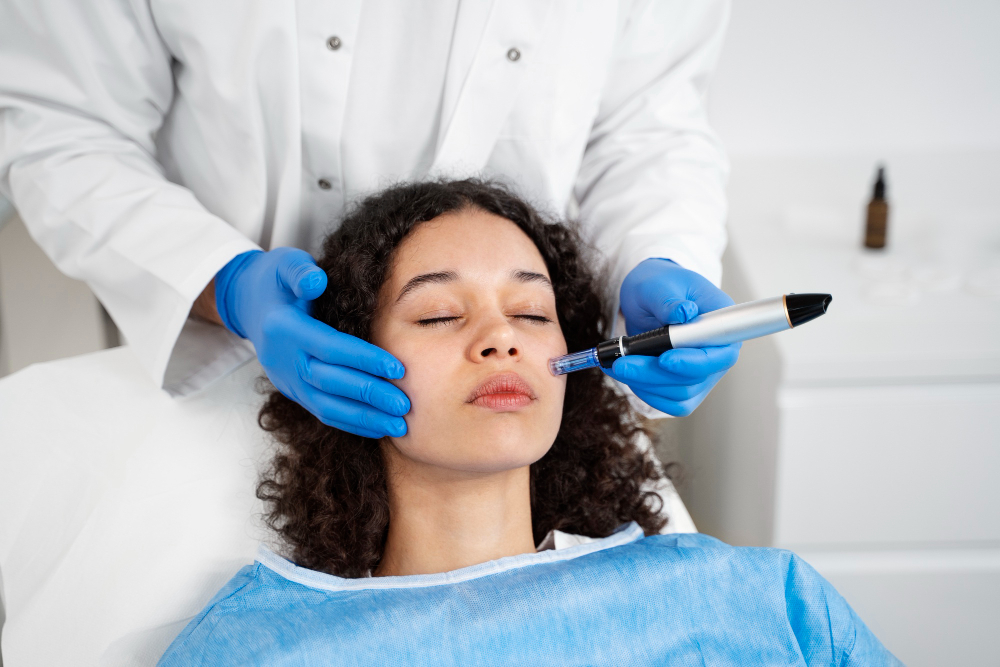
  • Microneedling — creating micro-injuries to stimulate collagen.

  • Exosomes — biologic “messengers” that support regeneration. MDPI+2Highlander Dermatology+2

  • Lasers (as needed for texture/pigmentation) to boost results further.
    This combination is designed not just to refresh the skin temporarily, but to rehabilitate and rebuild skin quality at a deeper level.

How it works

  • Microneedling creates micro-channels in the skin, which allow deeper delivery of growth factors. Eternity Wellness+1

  • PRP delivers concentrated platelets and growth factors into the skin to accelerate healing and matrix remodeling. Healthline+1

  • Exosomes (cell-derived vesicles) have demonstrated anti-inflammatory, regenerative and remodeling effects in the skin. MDPI+1

  • Lasers target pigmentation, texture irregularities, vascular issues or stimulate further collagen depending on the device and setting.
    When combined, you get the sum of each part — deeper, longer-lasting improvements than any one therapy alone.

Benefits vs Traditional Facials

  • Longer-lasting structural change. Traditional facials improve appearance but not the underlying architecture; combo therapy rebuilds.

  • Improved skin texture, tone, laxity and scars — not just surface glow. For example, studies show microneedling + PRP improves acne scars and texture more than microneedling alone. Healthline+1

  • Deeper penetration and biologic activation via exosomes and PRP. Highlander Dermatology

  • Fewer sessions needed for some concerns (though maintenance is still encouraged). modMD

  • More “medical-aesthetic” approach rather than spa service — requires expertise and proper equipment.

Considerations & Trade-Offs

  • Cost is higher than a traditional facial.

  • Slightly more downtime: you may have mild redness or sensitivity for 24-48 hours.

  • Requires commitment: often multiple sessions spaced weeks apart.

  • Need proper provider and setting (sterility, trained operators) to maximize safety and outcome.


Side-by-Side Comparison

Feature Traditional Facial Combo Therapy (PRP + Microneedling + Exosomes + Lasers)
Depth of treatment Superficial: surface skin only Deep: dermis + regeneration pathways
Goal Immediate refresh, glow, mild skin health Structural improvement: texture, tone, laxity, scars
Downtime Minimal to none Mild: 24-48h of redness, sensitivity
Sessions Often monthly for maintenance Typically series of 3-6, with maintenance thereafter
Cost Lower Higher investment
Outcome duration Short-term (weeks) Longer-lasting (months) and cumulative
Ideal for Glow, hydration, surface concerns Texture irregularities, aging signs, scars, serious skin quality goals

Which Should You Choose?

If your priority is a relaxing treatment, improved radiance, or you want something low-maintenance, a traditional facial remains valid and beneficial. However, if your goals include deep texture refinement, scar improvement, visible tone/laxity changes, or longer-term skin-quality investment — then PRP combo therapy offers markedly enhanced results.

At PRPInSeattle we often guide patients as follows:

  • Begin with a consultation: we assess your skin concerns (texture, scars, laxity, pigmentation).

  • If concerns are mostly cosmetic / surface → traditional facial for maintenance is fine.

  • If concerns are structural → build a plan around combo therapy.

  • Many patients choose a hybrid path: a combo therapy series for the “big leap” then periodic traditional facials for maintenance.


Call to Action

Ready to learn which path is right for you? Schedule your consultation at PRP In Seattle in Seattle/Bellevue/Kirkland. Call 425-391-3322 to speak with our team and book your assessment. Take the first step toward skin that not only looks good — but is healthier, stronger and more resilient.


FAQ (Footer)

Q: Does combo therapy hurt more than a traditional facial?
A: You may feel mild prickling or warmth during microneedling or laser, and some redness afterwards. It’s well-tolerated when done by our trained team, and many patients compare the sensation to a “good workout” for the skin.

Q: How many sessions of combo therapy are needed?
A: For most patients we recommend a series of 3–4 sessions spaced 4–6 weeks apart. Then maintenance every 6-12 months depending on your skin goals.

Q: How soon will I see results?
A: You’ll notice initial improvements in skin tone and glow within 1-2 weeks. Deeper changes (texture, firmness) typically develop over 2-3 months as collagen rebuilds.

Q: Can I still get traditional facials after combo therapy?
A: Absolutely. In fact, combining advanced therapy with regular facials often yields the best long-term skin health and glow.

Q: Is combo therapy safe for all skin types?
A: Yes — when performed by experienced clinicians who tailor treatments to your skin tone, type and history. We will assess your suitability during your consultation.


Let us help you decide whether the surface refresh of a traditional facial is enough — or if it’s time to step up and invest in the deeper, longer-lasting benefits of combo therapy. Call 425-391-3322 now to book your consultation at PRPInSeattle.

PRP Under-Eye / Tear Trough

PRP Under-Eye / Tear Trough Treatments: Soften Dark Circles Naturally

By Platelet Rich Plasma

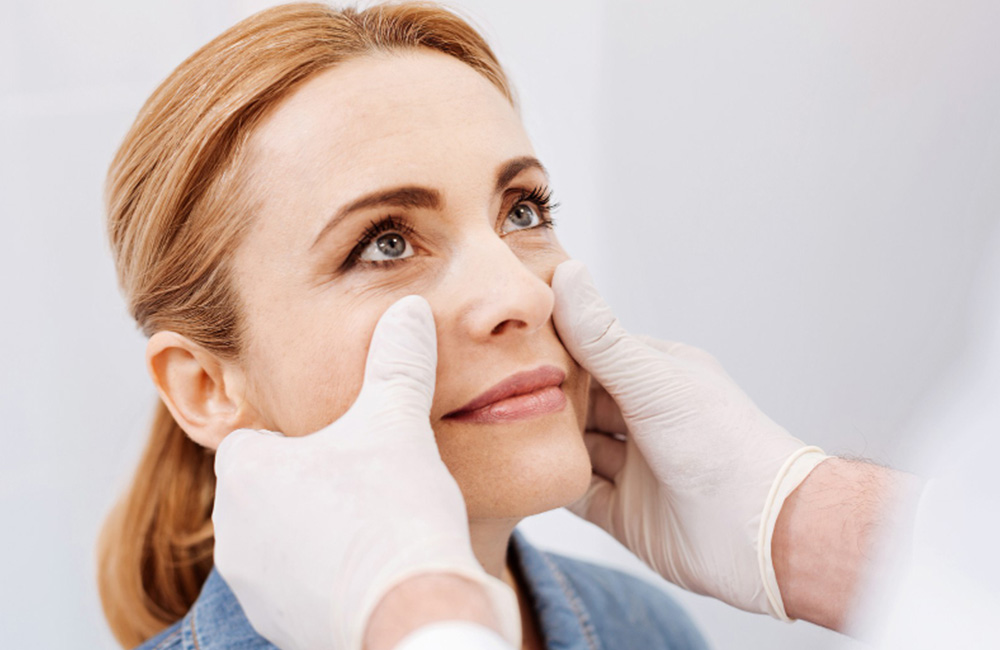
Persistent dark circles and hollow under-eyes can make you look tired even though you feel perfectly energized. Patients often decide to use eye creams or concealers, only to discover that the tear trough area still shows fatigue and aging. If you have been looking for a more effective solution, Platelet-Rich Plasma (PRP) treatment might help. This regenerative procedure harnesses your body’s growth factors to improve the tone, texture, and elasticity in the delicate under-eye area. In this blog, we’ll talk about how PRP Under Eye Treatment functions to naturally soften dark circles.

What Are Tear Troughs?

Under the eyes, the area often referred to as the “tear trough” is the groove or hollow that runs from the inner corner of the lower eyelid outward and downward toward the cheek. With age, volume loss, thinning skin, pigmentation, fluid retention, and genetic factors combine to make dark circles, hollows, and fatigue-looking shadows more noticeable. Under-eye dark circles can result from a combination of:

  • Thinner skin under the eyes (allowing underlying vascular discoloration or shadows to show more).
  • Volume loss or descent of fat and soft-tissue support in the tear trough area.
  • Pigmentation or hyperpigmentation and vascular congestion beneath the eye.

Understanding these contributing factors helps you identify what kind of treatment may suit your specific under-eye concern.

What Is PRP Under-Eye Treatment?

In simple terms, PRP is a component of your own blood enriched with platelets and growth factors; when injected into targeted areas (such as the under-eye), it can stimulate collagen, tissue regeneration, and improved skin quality.

In the tear trough or under-eye region, these treatments can:

  • Thicken the skin in the infra-orbital region, reducing the appearance of shadowing from thin skin. 
  • Improve texture, tone, and color of the under-eye skin (improving crepiness or laxity).
  • Provide subtle volumization without traditional filler material.

Because these treatments use your own blood and stimulate your own healing response, they are often seen as a more “natural” alternative to synthetic fillers in the under-eye region.

Who Is a Good Candidate for PRP Tear Trough Treatment?

Ideal candidates typically:

  • Are in good health, without major medical issues affecting healing (such as bleeding disorders). 
  • Have under-eye hollows, mild to moderate dark circles, crepey skin, or early volume loss, rather than severe fat pad herniation or very deep hollows. 
  • Understand that results are gradual (over weeks/months), may require more than one session, and are part of a longer-term skin health strategy. 
  • Are comfortable with minor downtime (bruising or swelling for a few days) and can follow aftercare guidance.

At PRP In Seattle, we’ll always perform a consultation, review your history, examine the under-eye area, and help you understand whether PRP is the right match.

What to Expect during the Treatment

We begin with a detailed consultation where we’ll review your under-eye anatomy, health history, and expectations, and walk you through the protocol. We’ll also explain any pre-treatment steps.

The procedure itself usually involves:

  • A small blood draw (similar to standard lab work).
  • Centrifugation or processing to isolate the platelet-rich portion or fibrin-rich gel.
  • Application of numbing cream and then injection of the PRP into the tear trough region using a precise technique.

Immediately after the procedure, you may experience slight swelling, redness, or bruising in the under-eye area. These effects are common and often resolve in a few days.

Recovery After PRP Under-Eye Treatment

Recovery from PRP tear trough injections is generally smooth, with most patients able to return to normal activities quickly. You may notice mild swelling or bruising, which usually resolves within a few days. These effects are temporary and part of your body’s natural healing process. It’s best to avoid strenuous exercise or activities that increase circulation to the face for the first 24–48 hours, as this can worsen swelling or bruising.

Simple aftercare makes a big difference:

  • Apply a cold compress to the area for short intervals during the first day.
  • Sleep with your head slightly elevated to minimize puffiness. 

Keeping the area clean, staying hydrated, and avoiding alcohol or smoking can help with healing and collagen stimulation. Within a few days, your under-eye area should look calmer and refreshed, and over the following weeks, you’ll start to notice gradual improvements.

PRP vs. Under-Eye Fillers

Let’s help you understand how regenerative treatments differ from standard tear trough fillers:

  • Volume vs regeneration: Hyaluronic acid (HA) fillers add immediate volume (“filling”) to hollows. PRP instead stimulates your body’s own tissue for collagen formation, thicker skin, and gradual volume improvement.
  • Material: Fillers are synthetic or semi-synthetic substances. PRP uses your own blood components, which means fewer risks of allergic reaction.
  • Results timeline: Fillers may deliver a visible effect almost immediately. PRP results take weeks to months and often require a series of treatments.

Questions You Should Ask Your Provider

Before deciding on an under-eye treatment, clarity is essential. Here are questions you may want to ask:

  • How many sessions would you recommend for my under-eye anatomy and condition?
  • Can you show me before/after images of patients with similar concerns?
  • How much downtime or bruising is typical in your hands?
  • What aftercare will you provide, and how will follow-up work?
  • If I’ve had filler under the eyes previously, how would that affect my suitability for PRP?

Preparing these questions ahead of time can help you feel more informed and confident in your decision-making process.

Wondering Where to Start?

If you’ve been noticing hollow under-eyes, dark circles, or that tired appearance despite your best efforts, it may be time to consider a different approach. At PRP In Seattle, we offer PRP EZ Gel Tear Trough Treatments. Our surgeons take time to answer your questions, provide a thoughtful consultation, and design a treatment plan that fits your needs and goals. Contact us today at (206) 279-2112 to schedule your personalized consultation.

How PRP Injections Are Changing the Game for Knee Pain Relief

How PRP Injections Are Changing the Game for Knee Pain Relief

By Platelet Rich Plasma

Knee pain can affect how you move through every part of your day. Simple things like walking upstairs, getting out of a chair, or exercising can start to feel like a challenge. People often turn to over-the-counter pain relievers or physical therapy. If you’ve tried these traditional approaches and are looking for something different, platelet-rich plasma (PRP) therapy offers a newer, regenerative approach. In this blog, we’ll explore how PRP injections can be used for knee pain treatment.

What Are PRP Injections for Knee Pain?

PRP stands for platelet-rich plasma, a specially concentrated portion of your own blood, with 3 to 10 times more platelets than usual. These platelets release numerous growth factors, like PDGF, TGF-β, IGF-1, and VEGF. 

The PRP process begins with drawing a small amount of your blood, spinning it in a centrifuge, and then injecting the PRP under ultrasound guidance into the knee joint. This approach aims to help rebuild cartilage, strengthen ligaments, and improve joint lubrication.

The PRP Knee Treatment 

The number of PRP knee injections Seattle varies depending on the severity of the condition and the individual’s response to treatment. Most people begin with one injection and are re-evaluated about 4–6 weeks later to assess progress.

  • Mild knee issues: A single injection is often sufficient to reduce discomfort and improve mobility.
  • Moderate arthritis or chronic pain: A series of two or three injections, spaced roughly a month apart, may provide additional benefit.

After treatment, gradual improvements in swelling, comfort, and range of motion may be noticed over several weeks as the body’s natural healing response continues.

Factors That Influence PRP Treatment Success

Several key factors can influence how well PRP knee injections work for each patient. These can include:

  • Stage of Knee Degeneration: In advanced cases where cartilage is severely worn down, there are fewer living cells for PRP to stimulate, which may limit improvement. 
  • Patient Health and Age: The body’s healing capacity naturally declines with age, so younger and overall healthier individuals may respond more quickly. 
  • Lifestyle and Activity Level: Maintaining a healthy weight helps reduce pressure on the knee joint, making it easier for tissues to heal. 
  • Quality of PRP Preparation: The concentration of platelets and the presence of specific growth factors vary depending on how the PRP is processed. 
  • Injection Technique and Guidance: The precision of the injection significantly affects results. 

Are You a Candidate for PRP Knee Injections?

PRP knee injections may be considered for individuals who meet certain general criteria. Candidates typically:

  • Have mild-to-moderate osteoarthritis or soft-tissue injury.
  • Maintain a healthy weight or are working to reduce joint load.
  • Can pause NSAIDs (non-steroidal anti-inflammatory drugs).
  • Do not have active infections or bleeding disorders.
  • Are open to a personalized evaluation.

Every patient’s situation is unique. A qualified provider can evaluate your specific condition, overall health, and treatment goals to decide whether PRP knee injections may be appropriate for you.

PRP Knee Injection Cost in Seattle

The cost of PRP for knee injections Seattle starts at $600 each. Since some patients benefit from multiple treatments, we provide package pricing for multi-session protocols to make ongoing care more manageable.

For those who prefer flexible payment options, financing is available through CareCredit, Alphaeon, and 0% in-house payment plans. These options are designed to make regenerative knee treatments accessible while minimizing financial stress.

Because each person’s knee condition and treatment plan are unique, pricing may vary depending on the number of injections recommended and the concentration of PRP used. During your consultation, we’ll give you a more precise estimate based on your individual needs and goals.

Advanced PRP Knee Therapy in Seattle

At PRP In Seattle, we focus on harnessing your body’s natural repair mechanisms to address knee pain at its source. We use meticulous centrifuge processing to prepare platelet-rich plasma and deliver treatments with real-time ultrasound guidance for precision. We’ll review your health history, imaging (if available), and craft a personalised plan based on your knee condition and goals. Ready to explore if PRP injections could support your knee care journey? Call us today at (206) 279-2112 for a complimentary consultation.

Microneedling with PRP in Seattle

Microneedling with PRP in Seattle: Benefits, Recovery, and Results Explained

By Platelet Rich Plasma

Fresh, even skin boosts confidence. If texture, acne scars, or fine lines keep your complexion from looking its best, microneedling with PRP can jump‑start collagen and reveal a smoother glow. This regenerative treatment pairs tried‑and‑true microneedling with your body’s own platelet‑rich plasma (PRP) for measurable improvement—without long downtime.

What Is Microneedling with PRP?

Microneedling (also called collagen‑induction therapy) uses a medical device with tiny needles to create controlled micro‑channels across the skin. Your provider then applies PRP—concentrated platelets from a quick in‑office blood draw—and works it into those channels so growth factors can signal robust new collagen. This combination amplifies what microneedling does on its own and helps address deeper scars and lines. PRP In Seattle

Why Add PRP? Top Benefits You Can See

Pairing PRP with microneedling gives your results more staying power. Patients often notice:

  • Softer acne scars and smoother texture

  • More even tone with fewer sun or age spots

  • A healthy, luminous glow

  • Minimal downtime and a quick visit

Because PRP comes from your own blood, you avoid foreign ingredients and support natural repair. Treatments fit a busy Seattle, Bellevue, or Kirkland schedule and build results session by session. PRP In Seattle

Who Makes a Good Candidate?

You likely qualify if you want noticeable skin refinement without surgery and you can commit to a short series of visits. Most skin types and tones do well with this approach, including sensitive skin, because trained providers use sterile, single‑use needles and apply PRP sourced from you—no allergy risk. During your consultation, your provider reviews goals, history, and current skincare to tailor your plan. PRP In Seattle

Your Treatment Day: Simple and Intentional

You arrive with clean skin. Your provider applies a topical numbing cream for comfort. After drawing a small tube of blood, the team spins it in a centrifuge to isolate PRP. Next, the microneedling device creates precise micro‑channels while your provider works PRP across the face, letting growth factors reach the deeper layers that drive new collagen. The visit typically moves quickly and feels manageable—you stay in control the entire time. PRP In Seattle

Pro tip

If you want even more lift or tightening, your provider may suggest combining PRP microneedling with radiofrequency for enhanced results. PRP In Seattle

Recovery: What to Expect Day by Day

Recovery stays straightforward. Right after treatment, your skin often looks pink or sun‑kissed and can feel warm or tight. Plan on gentle skincare and sun avoidance for a couple of days. Redness usually settles within 2–3 days. Skip other procedures (like waxing or strong facials) for about two weeks to protect your new collagen. You can return to normal routines quickly while you follow simple aftercare. PRP In Seattle

Easy aftercare checklist

  • Cleanse with a mild, fragrance‑free wash

  • Keep skin hydrated and avoid exfoliants at first

  • Use broad‑spectrum sunscreen every day

  • Hold off on retinoids and actives until your provider clears them

When Will You See Results?

Microneedling with PRP builds results gradually because collagen takes time to remodel. Many people notice early glow and smoother texture within a few weeks. For deeper change—like acne scars or etched fine lines—most plans include three to six sessions spaced a few weeks apart. Collagen production continues for weeks and even months after your final session, so your skin keeps improving long after you complete the series. PRP In Seattle

Microneedling with PRP vs. Traditional Microneedling

Both options stimulate collagen. Standard microneedling suits mild texture issues and maintenance. Adding PRP turns up the signal for repair, which helps when you want more dramatic refinement—especially for acne scars or larger pores. If you’re unsure which route fits best, start with a skin consult and map a plan that matches your timeline, goals, and budget.

How to Prepare for the Best Outcome

  • Press pause on harsh acids and retinoids a few days before treatment

  • Arrive well‑hydrated and with clean skin

  • Share your full skincare list so your provider can guide tweaks

  • Plan your first session ahead of a quiet weekend if you prefer privacy

Frequently Asked Questions

Does it hurt?
You’ll feel light pressure and vibration. Numbing cream boosts comfort, and most people relax through the visit.

How long does the appointment take?
Expect around an hour for check‑in, numbing, blood draw, and treatment time. Your provider will give you a personalized timeline.

Can darker skin tones do this treatment?
Yes. Experienced providers adapt settings for all skin tones and types.

How long do results last?
New collagen lasts, but your skin still ages. Many patients book maintenance visits a few times a year to keep momentum.

Which areas can you treat?
Face tops the list, but providers can address neck, chest, and certain body areas with a custom plan.

Why Choose PRP in Seattle

At PRP in Seattle, master estheticians deliver this treatment in a medical setting with strict protocols, single‑use needles, and personalized plans. The team serves Seattle, Bellevue, and Kirkland with extended hours and a thoughtful, step‑by‑step approach from consult to aftercare. You get clear guidance, realistic expectations, and support at every touchpoint. PRP In Seattle

Ready to Start?

Take the first step toward smoother, brighter skin today. Explore microneedling Seattle, learn about the PRP facial, and see how PRP microneedling can fit your goals. When you’re ready, book a consultation and streamline your path to healthy‑looking skin with PRP With Microneedling Seattle.

PRP Penile Shots

PRP Penile Shots in 2025: What the Latest Research Actually Shows

By Platelet Rich Plasma

Erectile dysfunction (ED) affects millions of men and can be frustrating when pills don’t work or cause side effects. That gap has fueled interest in regenerative options like platelet‑rich plasma (PRP) injections, often marketed as the P‑Shot®, that promise to restore natural function rather than simply boost blood flow.

The idea behind the PRP shot is simple: by using the healing properties found in your own blood, doctors inject platelet-rich plasma into the penis to encourage better blood flow, tissue repair, and stronger erections. In recent years, this treatment has gained popularity for men looking for an alternative to pills or surgery.

As we step into 2025, many are asking the same questions: What exactly are PRP penile shots? Who are they for? This article will walk you through the basics, the potential benefits, who may be a good candidate, and what to know before deciding if PRP shots are worth considering.

What are PRP Penile Shots?

A PRP penile shot (including branded protocols like the P‑Shot®) is an intracavernosal injection of autologous platelet‑rich plasma intended to treat ED by regenerative mechanisms; it is experimental/off‑label for ED and not an FDA‑approved ED treatment. 

PRP penile injections use a small sample of your own blood spun in a centrifuge to concentrate platelets and their growth factors. The platelet-rich fraction is then injected into the erectile tissue to promote angiogenesis, nerve healing, and tissue remodeling that could improve spontaneous erections over time. 

Protocols differ widely in dose (often 5–10 mL per session), number of sessions (commonly two, a month apart), platelet concentration, and activation method.

Benefits of PRP Penile Shot

Some of the benefits that you can have when taking PRP Penile Shot include: 

  • May improve erection quality/firmness in some men
  • Uses your own blood (low allergy risk)
  • Outpatient procedure with minimal downtime
  • Can be repeated and combined with other ED treatments (e.g., pills, vacuum device)
  • No implants or daily systemic medications required
  • Generally, few short‑term side effects are reported (e.g., brief soreness/bruising)

Good Candidates and Who Should Avoid Them

  • Men with mild to moderate erectile dysfunction (ED), especially of vascular origin
  • Those who have tried PDE5 inhibitors (Viagra, Cialis, etc.) but have had limited results or side effects
  • Patients interested in regenerative/alternative options instead of or before invasive surgery
  • Men who are generally healthy without serious bleeding disorders, infections, or unstable medical conditions
  • Individuals with realistic expectations, understanding that PRP is still experimental/off-label
  • Men willing to undergo treatment within a clinical trial or under a urologist’s supervision

People Who Should Avoid PRP Penile Shots

  • Men with an active infection (local or systemic)
  • Those with blood-clotting disorders or on strong anticoagulant therapy
  • Patients with unstable medical conditions (e.g., uncontrolled diabetes, severe heart disease)
  • Individuals with platelet disorders or very low platelet counts
  • Men with hematologic cancers (unless cleared by a specialist)
  • Those who expect permanent penile enlargement 
  • Anyone unwilling to accept that PRP for ED is still experimental/off-label

Safety

PRP penile shots are generally considered low risk, since the injection is prepared from your own blood. This means the chance of allergic reactions or rejection is extremely rare. Most men tolerate the procedure well, with only minor, short-term effects reported.

Common, temporary side effects may include:

  • Mild pain or stinging at the injection site
  • Swelling or bruising that fades within a few days
  • Occasional small hematomas (blood spots under the skin)

Less common but possible risks:

  • Local infection (as with any injection, though rare when performed under sterile conditions)
  • Scar tissue or plaque formation (very uncommon, but reported in isolated cases)

Key points to know:

  • No major long-term complications have been consistently reported in clinical trials to date.
  • The treatment is not FDA-approved for erectile dysfunction; it is considered experimental/off-label.
  • Protocols vary (amount of blood drawn, platelet concentration, activation method), safety data is still limited and inconsistent.

PRP penile injections appear safe in the short term when performed by qualified providers, but the long-term risks and benefits are not fully established.

Is PRP Worth Trying in 2025?

Consider PRP only if you can enroll in a well‑run clinical trial or after a detailed consult with a urologist who can set realistic expectations and review alternatives. That advice aligns with 2025 EAU guidance and balances the mixed RCT outcomes. 

Conclusion

In 2025, PRP penile shots remain an experimental treatment for erectile dysfunction. Some studies show improvement, while others find little to no difference compared to placebo. Overall, the research is still too limited and inconsistent to confirm how well it works or how long results last.

For now, most medical experts and guidelines recommend PRP only within clinical trials until stronger evidence is available. If you’re interested, schedule an appointment with our experts by contacting us at (206) 279-2112.

PRP vs. Hyaluronic Acid

PRP vs. Hyaluronic Acid-Based Fillers: Best for Tear Troughs?

By Platelet Rich Plasma

Even with consistent sleep, a balanced diet, and a skincare routine, the under-eye area can still reveal signs of fatigue and aging. Hollowing, dark circles, and persistent shadows in the tear trough under eye often develop due to factors beyond your control, such as genetics, bone structure, or natural collagen loss. These changes can subtly alter your appearance, diminishing your confidence and shaping how others perceive your energy, alertness, and professionalism.

Fortunately, two advanced yet minimally invasive treatments: Platelet‑Rich Plasma (PRP) therapy and hyaluronic-acid dermal fillers, provide focused solutions for restoring volume, enhancing skin quality, and diminishing the visible signs of tiredness in the tear trough area. 

While both treatments aim to beautify the under-eye area, they do so in different ways and deliver distinct results in both appearance and feel. In the following sections, we will discuss how each treatment works, what results you can expect, and how you can evaluate which method—or combination best suits you. 

PRP Therapy 

PRP Injections under Eyes is a regenerative, autologous treatment that uses your blood-derived growth factors to restore and renew the under-eye region. It promotes collagen production, improves circulation, and enhances skin texture, making it an effective natural treatment for mild hollowing, dark circles, and skin thinning.

Key Benefits of PRP

  • 100 % natural—because it uses your own blood, there is no risk of allergy or rejection.
  • Improves skin quality, texture, and color. 
  • No risk of overfilling or the bluish “Tyndall effect”. 
  • Minimal downtime (mild swelling or redness for a maximum of 24–48 hours). 

How PRP Is Prepared and Applied

  • Blood Draw: A small amount of the patient’s blood is drawn (typically 10–20 mL).
  • Centrifugation: The blood is spun in a centrifuge, separating a platelet‑rich layer that’s about three to five times more concentrated than normal.
  • Extraction: Once separated, the “golden” layer of PRP is removed. It is rich in cytokines, including platelet-derived growth factor (PDGF), transforming growth factor beta (TGF‑β), and vascular endothelial growth factor (VEGF).
  • Injection: The PRP extract is injected into the tear trough region using a small needle or a blunt-tip cannula.

How Does It Work?

  • Once injected, the platelets activate and release growth factors that:
  • Recruit fibroblasts, stimulating collagen and elastin production.
  • Promote angiogenesis, improving microcirculation and skin oxygen levels.
  • Regulate melanogenesis, potentially reducing pigmentation.

Within a few weeks, the skin thickens, vascular visibility decreases, and the area appears more even, hydrated, and youthful.

Ideal Candidates for PRP

  • Individuals with thin or crepey skin underneath the eyes
  • Patients with vascular-type dark circles (caused by visible blood vessels and not pigment)
  • People looking for a natural, autologous treatment
  • First-time patients who want to avoid synthetic products or overfilling

Results After PRP Therapy 

  • Most people can expect to see visible enhancements in brightness and texture as early as 4–6 weeks. 
  • Dermal thickening and reduction in fine lines and wrinkles will become apparent by 3 months. 
  • Results may last anywhere from 9–18 months, especially if a course of 2–3 sessions is performed, and then maintained once per year. 

Limitations of PRP

  • Gradual results, not appropriate for those wanting an immediate correction. 
  • Need multiple treatments to achieve the improvements you want. 
  • The final result depends on the platelet concentration. 
  • Less effective for patients with deep, structural volume loss.

Summary 

PRP is a great treatment for anyone looking for a natural, biologically driven rejuvenation of the under-eye area. It is particularly effective for early signs of aging, pigmentation secondary to thin skin, and someone looking for subtle, gradual changes.

Hyaluronic Acid Dermal Fillers for Tear Troughs  

Hyaluronic acid (HA) fillers are sterile, cross-linked gels that restore lost volume and fix contour irregularities. They are commonly used in the tear trough area to provide immediate support and reduce hollowness.

Key Benefits of Fillers  

  • Provides an immediate, noticeable improvement in under-eye hollowness.  
  • Most patients only need one session.  
  • Results are predictable and precise.  
  • The process is fully reversible, offering flexibility and safety.

How Fillers Are Prepared and Applied  

  • Product Selection: Low-G-prime, soft HA fillers (like Restylane® Eyelight and Belotero Balance®) are chosen for their smooth integration into delicate tissue.
  • Anesthesia: Local anesthesia or a cold compress is used, and the area is sterilized to prevent infection.
  • Injection: A fine needle or cannula places the filler along the orbital rim or directly into the tear trough.

How Does It Work?

HA can hold up to 1,000 times its weight in water, providing immediate hydration and volume. Once injected:

  • It restores lost volume from fat loss.  
  • It lifts and flattens the hollow to remove shadowing.  
  • It improves light reflection and facial symmetry.

Ideal Candidates for Fillers  

  • Patients with moderate to severe tear trough hollowness.  
  • Individuals seeking immediate results.  
  • Those with enough skin thickness to hide the filler.  
  • Patients who are comfortable with regular maintenance.

Results and Evidence  

  • Correction is often visible within minutes of treatment.  
  • Results usually last from 6 to 12 months, with some studies showing effects lasting up to 24 months.  
  • The process is fully reversible with hyaluronidase if needed.

Limitations of Fillers  

  • Results are temporary, require ongoing maintenance, and do not improve skin quality. 
  • There is a risk of bruising, swelling, and rare vascular complications.  
  • They may not be suitable for very thin or crepey skin, where filler visibility could be an issue.  
  • Fillers do not improve skin quality or pigmentation at a cellular level.

Summary  

Fillers are the best option for quick under-eye correction, especially when structural hollowness is the main concern. They provide a fast and effective solution with reliable results, especially when performed by an experienced professional.

PRP vs. Fillers for Tear Troughs: A Side-by-Side Comparison

Factor  PRP 

Hyaluronic Acid-Based Fillers

Effectiveness for hollowness Builds collagen gradually; best for mild‑to‑moderate volume loss plus pigmentation Immediately fills moderate–severe hollowing; limited effect on pigment
Effect on skin quality Improves texture and discoloration over time Primarily volumizes; does not biologically rejuvenate skin
Longevity 9–18 months reported, with improvements continuing as collagen remodels (booster session may extend results) 6–12 months typical; some lasting up to 24 months, depending on product and metabolism
Number of sessions Series of 2–3 injections, 4–6 weeks apart; maintenance yearly Usually one session; touch‑up when product fades
Recovery Minimal; possible pinpoint redness, mild swelling 24–48 h Mild swelling or bruising for 2–7 days
Safety & side‑effects Autologous, so allergy is almost impossible; low vascular risk Well studied, but carries a rare vascular occlusion and vision loss risk if misinjected
Ideal candidate Early hollowing, pigment, thin crepey skin, or those who prefer “all‑natural” products Deeper troughs, structural loss, those needing immediate correction

Conclusion 

Platelet-rich plasma (PRP) and hyaluronic acid fillers are both valid, non-invasive treatment options for tear trough concerns. Fillers immediately correct volume loss, so they may be preferable for a patient with significant hollowness who desires an instant result. Fillers, however, are temporary and need maintenance and do not offer improvement in skin quality, as compared to PRP. 

PRP works from within, stimulating your body’s regenerative processes, which will gradually improve skin thickness, tone, and circulation. PRP is generally a better option for patients who desire subtle yet effective improvement without introducing synthetic substances. PRP Under Eyes is also an excellent choice for those showing early signs of aging, dark circles from vascularity, or thin, crepey skin under the eyes. 

If you want a natural, low-risk, and lasting option to refresh your under-eye area, then PRP is the most appropriate treatment for you.

Are you ready to look naturally brighter? Call (206) 279-2112 and Contact us today to schedule a consultation and begin to take the first step toward restoring your rested appearance and youthful look.