Trying a new aesthetic treatment can feel uncertain, especially when you are not sure what the process actually looks like. PRP injection in Seattle is popular because it uses your own blood’s platelet-rich plasma to support healing, skin renewal, and hair restoration goals with a treatment plan tailored to the area being addressed. At PRP In Seattle, we offer PRP-based options, including injections, microneedling with PRP, hair restoration treatments, and related skin-rejuvenation services for patients in Seattle, Bellevue, and Kirkland.
Whether you are considering PRP for the scalp, under-eye area, skin texture, or acne scars, knowing what happens before, during, and after treatment can make the experience much easier. This guide breaks the process down clearly so you know how to prepare, what treatment day feels like, and what recovery usually involves.
What Is PRP Treatment?
PRP, or platelet-rich plasma, is a treatment that uses a small sample of your own blood. The blood is processed in a centrifuge to concentrate the platelets, and that platelet-rich plasma is then injected into or applied to the treatment area to support healing and rejuvenation.
Depending on your goals, PRP may be used in different ways:
- Injected into the scalp or skin
- Applied during or after microneedling
- Combined with laser resurfacing in select cases
- Used as part of a broader skin or hair-restoration plan
Before Your PRP Treatment
The first step is your consultation. At PRP In Seattle, the provider reviews your concerns, examines the treatment area, discusses your goals, and takes a medical history before recommending the most suitable PRP approach. That matters because PRP is not one-size-fits-all. Someone seeking scalp support may need a different plan than someone treating acne scars or skin texture.
Before treatment, patients are usually advised to come in with realistic expectations. PRP is often done as a series rather than a one-time treatment.
A few common pre-treatment points to expect:
- A review of medications and health conditions
- Discussion of whether a PRP injection in Seattle or microneedling is the better fit
- Photos or baseline assessment
- Guidance on what to avoid right before treatment, depending on the area treated
For example, if you are considering a PRP injection in Seattle for acne scars, a provider may explain when targeted injections make more sense than microneedling.
During Your PRP Treatment
Most PRP treatments follow the same broad pattern:
- Blood draw
- Centrifuge processing
- PRP application or injection
- Brief post-treatment instructions
If PRP is being used for skin rejuvenation, the AAD says treatment generally begins with drawing a small amount of blood. From there, the platelet-rich portion is prepared and then used in the treatment area. What the treatment feels like depends on the method.
PRP Injection in Seattle
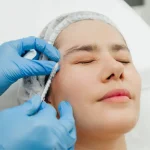
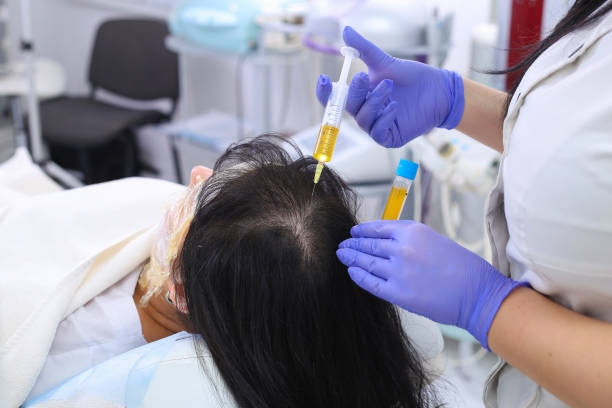
With injections, the provider places PRP directly into the scalp or skin. This is often chosen for hair restoration or targeted facial concerns. You may feel pressure, pinching, or brief stinging, but the treatment is usually quick.
PRP With Microneedling in Seattle
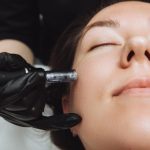
For PRP with microneedling in Seattle, microneedling creates controlled microchannels in the skin, and PRP is then applied to enhance the healing response. Microneedling is a common option for acne scars and texture concerns because it supports collagen induction and can be combined with PRP for improved results.
CO2 Laser Resurfacing With PRP
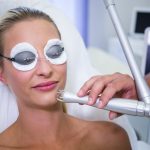
For more intensive rejuvenation, PRP can also be added after laser resurfacing. During CO2 laser resurfacing in Seattle, the laser removes damaged outer layers of skin, and PRP is applied afterward to support healing. The American Society of Plastic Surgeons states that laser skin resurfacing is used to improve wrinkles, scars, blemishes, and sun-damaged skin.
After Your PRP Treatment
Recovery depends on where PRP was used and whether it was combined with another treatment.
For standard PRP injections, downtime is often limited. Many patients can return to most activities quickly, though they may need to avoid exercise briefly and follow aftercare instructions to reduce swelling and support results.
For scalp treatments, aftercare may include avoiding washing the area right away, staying out of direct sun, and skipping intense exercise for the first day or two. We specifically advise avoiding washing or touching the scalp for 24 to 48 hours and avoiding strenuous exercise and sun exposure early on.
For PRP with microneedling in Seattle, expect mild redness, sensitivity, and a temporary “sunburn-like” look for a short period. For CO2 laser plus PRP, recovery is more involved. Patients may need about a week away from work, sun avoidance, no makeup for 7 to 10 days, and limited exercise for at least two weeks after treatment.
Common Side Effects
Most PRP side effects are mild and temporary. Depending on the treatment area and method, you may notice:
- Redness
- Swelling
- Tenderness
- Bruising
- Tightness
- Temporary peeling or sensitivity
When Will You See Results?
Results are gradual. PRP is designed to support healing and regeneration, so changes usually build over time rather than appearing overnight.
For facial PRP, many patients undergo a series before judging the outcome. For scalp PRP, hair growth often becomes more noticeable after the second or third session, not immediately after the first.
Who Is a Good Candidate for PRP Injections in Seattle?
You may be a good candidate if you:
- Want a treatment that uses your own blood components
- Have early hair thinning, acne scars, or mild to moderate texture concerns
- Understand that multiple sessions may be needed
- Can follow aftercare closely
Some people with certain blood disorders or medical conditions may not be ideal candidates.
Final Thoughts
PRP treatment is usually straightforward, but the details matter. The consultation helps determine whether PRP injection in Seattle should be done as injections, paired with microneedling, or used alongside a more advanced treatment plan.
For patients exploring PRP injections Seattle, PRP with microneedling Seattle, or CO2 laser resurfacing Seattle, understanding the timeline before, during, and after treatment can help set realistic expectations and lead to a smoother experience.
To learn which treatment may be right for your goals, contact us to schedule a consultation.
FAQs
How should I prepare for a PRP appointment?
Arrive ready for a consultation and treatment plan review. Your provider may go over your medical history, treatment goals, and aftercare steps before starting.
How long does PRP treatment take?
The exact timing varies by area and technique, but PRP is usually an in-office procedure that includes a blood draw, processing, and application or injection. A combined laser treatment takes longer than PRP alone.
Is there downtime after PRP injections?
Usually, downtime is mild for injections alone. Some patients avoid exercise briefly and may have temporary swelling or redness. More intensive treatments, especially laser-based ones, require more recovery.
Is PRP microneedling better than PRP injections?
They treat different concerns. Microneedling with PRP is often used for broader texture and scar issues, while injections may be better for deeper or more targeted areas.
Can PRP be combined with CO2 laser resurfacing?
Yes. PRP In Seattle offers CO2 laser resurfacing with PRP, and the clinic states that PRP may help support healing and improve recovery after the laser treatment.