Category

Hair Restoration

What to Expect Before, During, and After Your PRP Treatment

By Hair Restoration

Trying a new aesthetic treatment can feel uncertain, especially when you are not sure what the process actually looks like. PRP injection in Seattle is popular because it uses your own blood’s platelet-rich plasma to support healing, skin renewal, and hair restoration goals with a treatment plan tailored to the area being addressed. At PRP In Seattle, we offer PRP-based options, including injections, microneedling with PRP, hair restoration treatments, and related skin-rejuvenation services for patients in Seattle, Bellevue, and Kirkland.

Whether you are considering PRP for the scalp, under-eye area, skin texture, or acne scars, knowing what happens before, during, and after treatment can make the experience much easier. This guide breaks the process down clearly so you know how to prepare, what treatment day feels like, and what recovery usually involves. 

What Is PRP Treatment?

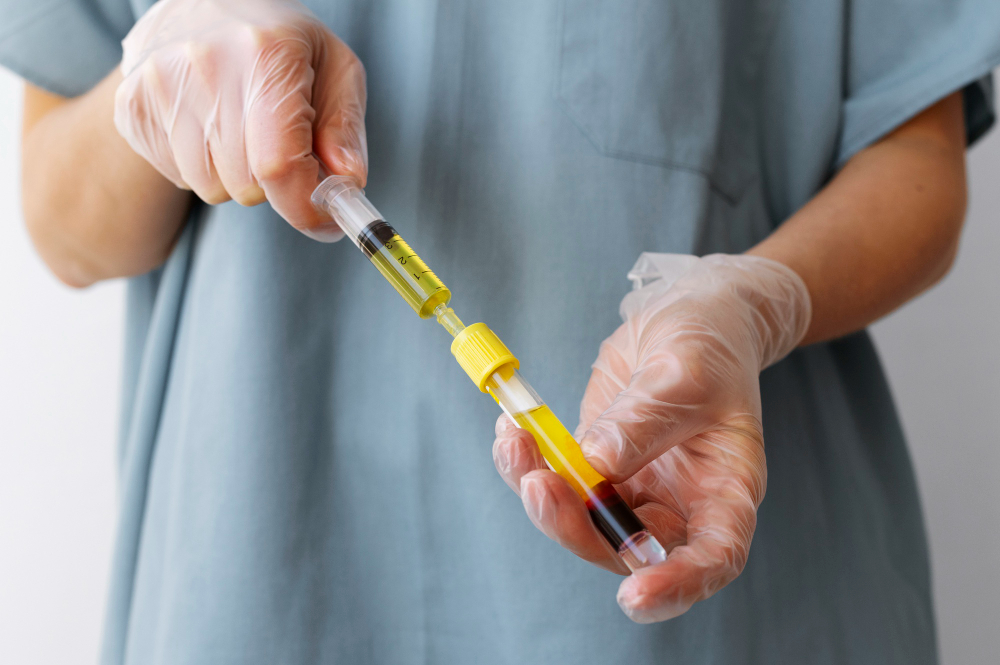
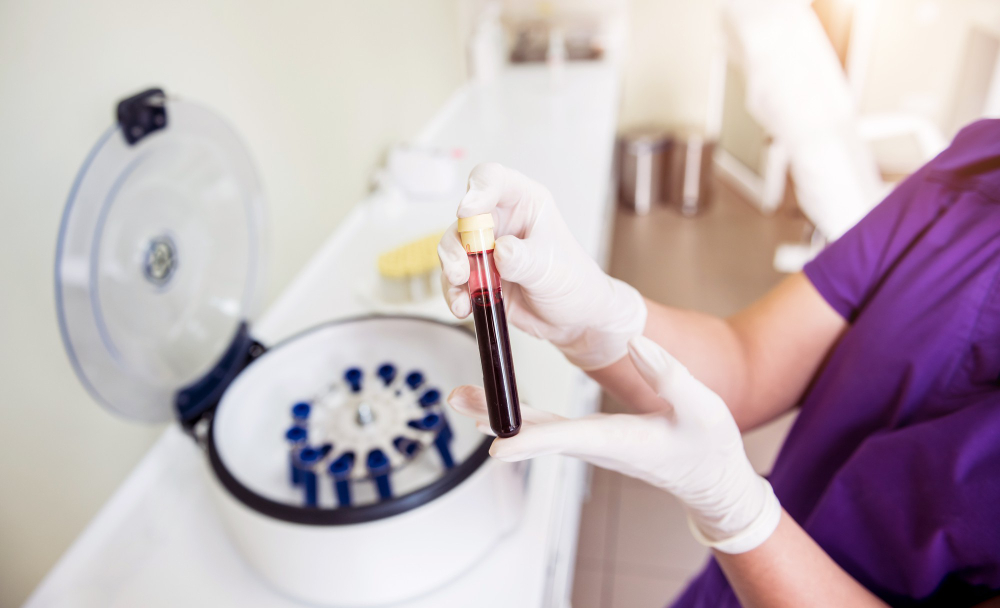
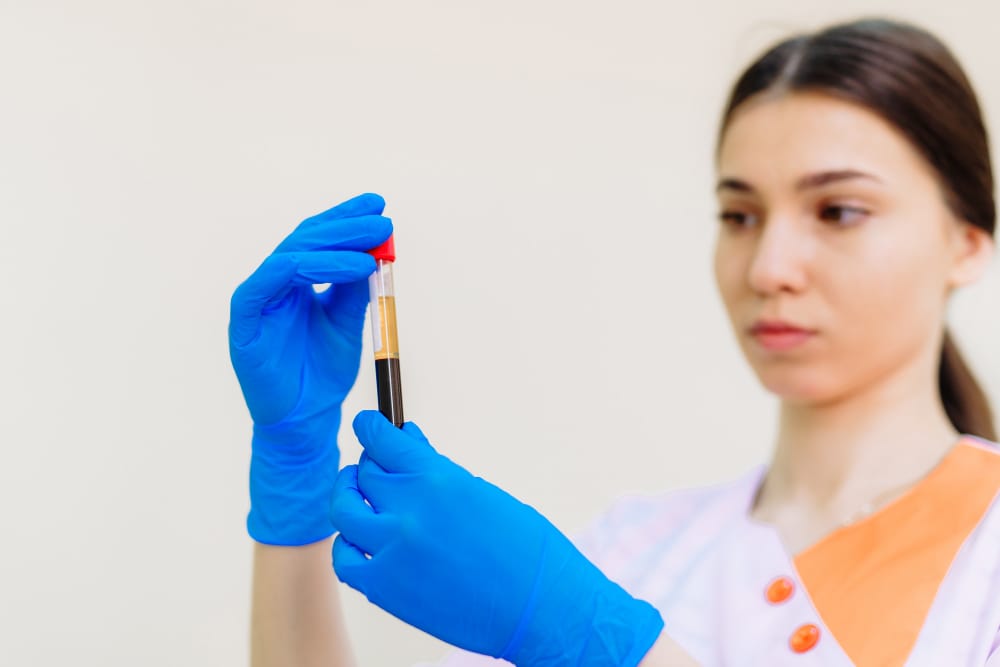
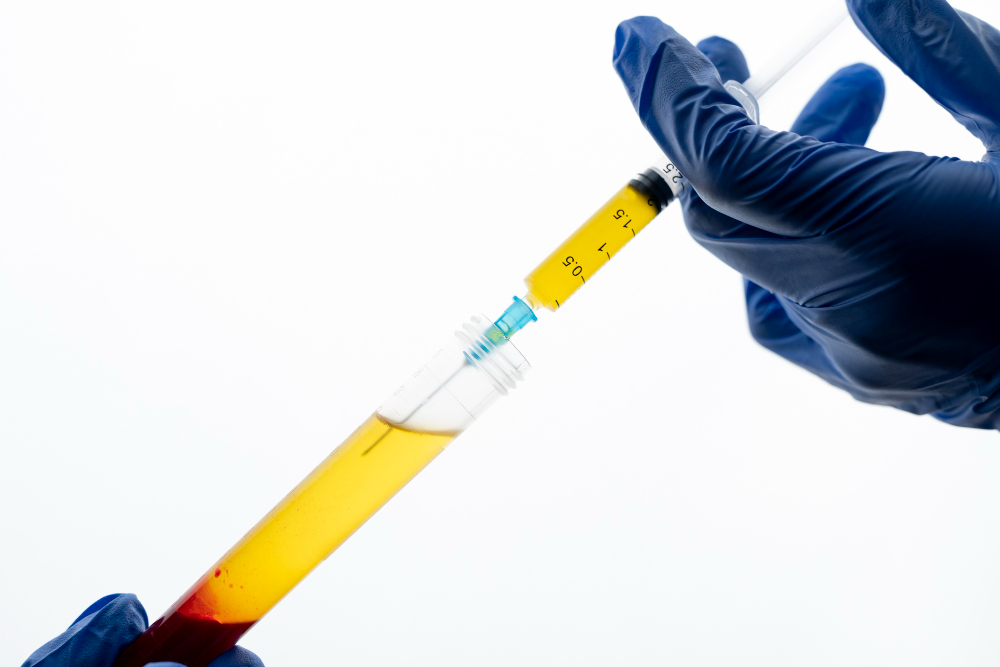
PRP, or platelet-rich plasma, is a treatment that uses a small sample of your own blood. The blood is processed in a centrifuge to concentrate the platelets, and that platelet-rich plasma is then injected into or applied to the treatment area to support healing and rejuvenation. 

Depending on your goals, PRP may be used in different ways:

  • Injected into the scalp or skin
  • Applied during or after microneedling
  • Combined with laser resurfacing in select cases
  • Used as part of a broader skin or hair-restoration plan

Before Your PRP Treatment

The first step is your consultation. At PRP In Seattle, the provider reviews your concerns, examines the treatment area, discusses your goals, and takes a medical history before recommending the most suitable PRP approach. That matters because PRP is not one-size-fits-all. Someone seeking scalp support may need a different plan than someone treating acne scars or skin texture.

Before treatment, patients are usually advised to come in with realistic expectations. PRP is often done as a series rather than a one-time treatment. 

A few common pre-treatment points to expect:

  • A review of medications and health conditions
  • Discussion of whether a PRP injection in Seattle or microneedling is the better fit
  • Photos or baseline assessment
  • Guidance on what to avoid right before treatment, depending on the area treated

For example, if you are considering a PRP injection in Seattle for acne scars, a provider may explain when targeted injections make more sense than microneedling. 

During Your PRP Treatment

Most PRP treatments follow the same broad pattern:

  1. Blood draw
  2. Centrifuge processing
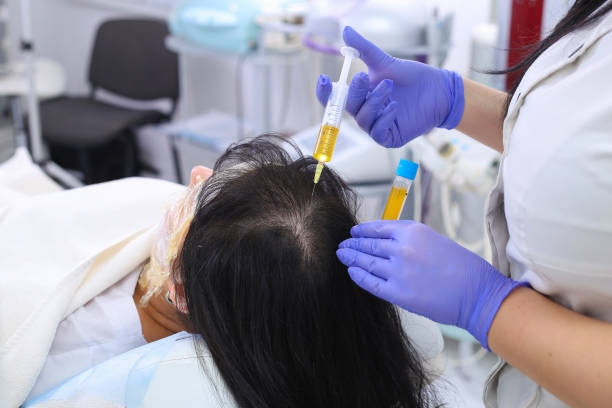
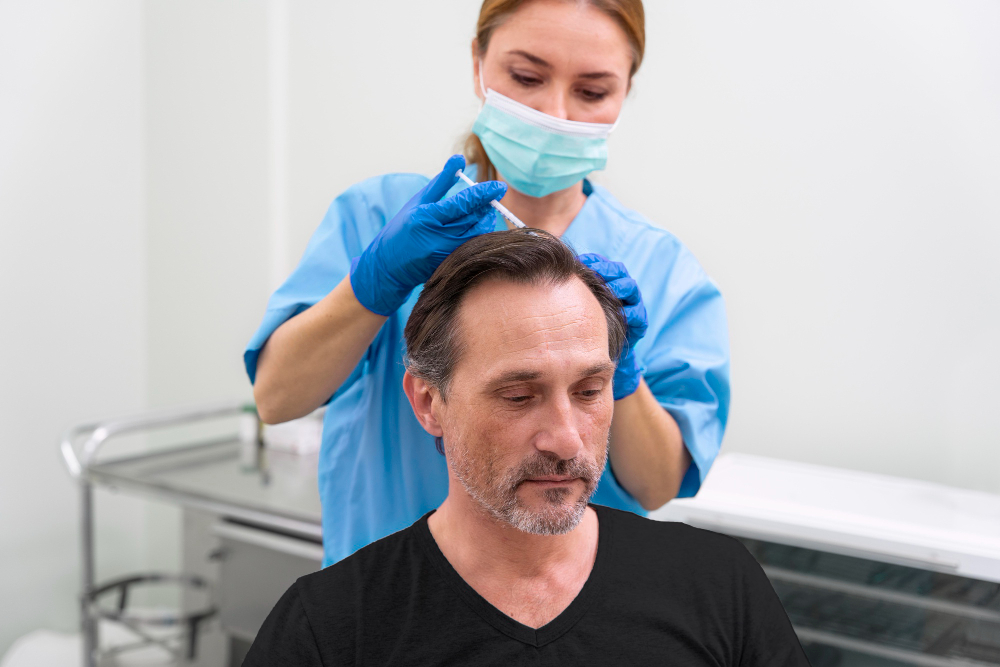
  3. PRP application or injection
  4. Brief post-treatment instructions

If PRP is being used for skin rejuvenation, the AAD says treatment generally begins with drawing a small amount of blood. From there, the platelet-rich portion is prepared and then used in the treatment area. What the treatment feels like depends on the method.

PRP Injection in Seattle

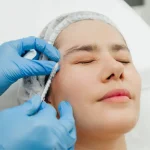
With injections, the provider places PRP directly into the scalp or skin. This is often chosen for hair restoration or targeted facial concerns. You may feel pressure, pinching, or brief stinging, but the treatment is usually quick.

PRP With Microneedling in Seattle

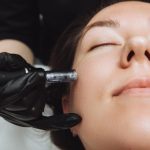
For PRP with microneedling in Seattle, microneedling creates controlled microchannels in the skin, and PRP is then applied to enhance the healing response. Microneedling is a common option for acne scars and texture concerns because it supports collagen induction and can be combined with PRP for improved results.

CO2 Laser Resurfacing With PRP

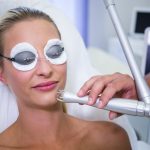
For more intensive rejuvenation, PRP can also be added after laser resurfacing. During CO2 laser resurfacing in Seattle, the laser removes damaged outer layers of skin, and PRP is applied afterward to support healing. The American Society of Plastic Surgeons states that laser skin resurfacing is used to improve wrinkles, scars, blemishes, and sun-damaged skin.

After Your PRP Treatment

Recovery depends on where PRP was used and whether it was combined with another treatment.

For standard PRP injections, downtime is often limited. Many patients can return to most activities quickly, though they may need to avoid exercise briefly and follow aftercare instructions to reduce swelling and support results.

For scalp treatments, aftercare may include avoiding washing the area right away, staying out of direct sun, and skipping intense exercise for the first day or two. We specifically advise avoiding washing or touching the scalp for 24 to 48 hours and avoiding strenuous exercise and sun exposure early on.

For PRP with microneedling in Seattle, expect mild redness, sensitivity, and a temporary “sunburn-like” look for a short period. For CO2 laser plus PRP, recovery is more involved. Patients may need about a week away from work, sun avoidance, no makeup for 7 to 10 days, and limited exercise for at least two weeks after treatment.

Common Side Effects

Most PRP side effects are mild and temporary. Depending on the treatment area and method, you may notice:

  • Redness
  • Swelling
  • Tenderness
  • Bruising
  • Tightness
  • Temporary peeling or sensitivity

When Will You See Results?

Results are gradual. PRP is designed to support healing and regeneration, so changes usually build over time rather than appearing overnight.

For facial PRP, many patients undergo a series before judging the outcome. For scalp PRP, hair growth often becomes more noticeable after the second or third session, not immediately after the first.

Who Is a Good Candidate for PRP Injections in Seattle?

You may be a good candidate if you:

  • Want a treatment that uses your own blood components
  • Have early hair thinning, acne scars, or mild to moderate texture concerns
  • Understand that multiple sessions may be needed
  • Can follow aftercare closely

Some people with certain blood disorders or medical conditions may not be ideal candidates.

Final Thoughts

PRP treatment is usually straightforward, but the details matter. The consultation helps determine whether PRP injection in Seattle should be done as injections, paired with microneedling, or used alongside a more advanced treatment plan. 

For patients exploring PRP injections Seattle, PRP with microneedling Seattle, or CO2 laser resurfacing Seattle, understanding the timeline before, during, and after treatment can help set realistic expectations and lead to a smoother experience. 

To learn which treatment may be right for your goals, contact us to schedule a consultation.

FAQs

How should I prepare for a PRP appointment?

Arrive ready for a consultation and treatment plan review. Your provider may go over your medical history, treatment goals, and aftercare steps before starting.

How long does PRP treatment take?

The exact timing varies by area and technique, but PRP is usually an in-office procedure that includes a blood draw, processing, and application or injection. A combined laser treatment takes longer than PRP alone.

Is there downtime after PRP injections?

Usually, downtime is mild for injections alone. Some patients avoid exercise briefly and may have temporary swelling or redness. More intensive treatments, especially laser-based ones, require more recovery.

Is PRP microneedling better than PRP injections?

They treat different concerns. Microneedling with PRP is often used for broader texture and scar issues, while injections may be better for deeper or more targeted areas.

Can PRP be combined with CO2 laser resurfacing?

Yes. PRP In Seattle offers CO2 laser resurfacing with PRP, and the clinic states that PRP may help support healing and improve recovery after the laser treatment.

How Much Does PRP Treatment Cost in Seattle?

How Much Does PRP Treatment Cost in Seattle?

By Hair Restoration

PRP treatment uses a concentrated portion of a patient’s own blood, rich in platelets and growth factors, to support healing and tissue repair. Patients often choose PRP hair restoration Seattle, as it provides a non surgical solution for hair growth using material drawn from the body itself. At PRP in Seattle, PRP injections Seattle starts from $3,500 with 6 treatments. The cost includes both the operating room and anaesthesia charges if necessary. This PRP is done with the expert guidance of providers in PRP in Seattle certified by the board including Dr. Craig Jonov and Dr. Javad Sajan, along with qualified injectors and master estheticians serving in Seattle.

What are the Types of PRP Treatment Available in Seattle?

At PRP treatment, there are multiple types of PRP injections Seattle available for consideration. Some of them are:

What is the average PRP Treatment Cost in Seattle?

The average PRP injection Seattle cost starts from $3,500 and goes all the way upto $5,600. There are different types of PRP hair restoration Seattle treatments which can be seen below:

Treatment Price (6 Sessions)
PRP Only (6 treatments) $3,500
PRP + ACell (6 treatments, ACell in 1st only) $4,000
PRP + Exosomes (6 treatments, Exosomes in 1st only) $5,000
PRF Only (6 treatments) $4,100
PRF + ACell (6 treatments, ACell in 1st only) $4,600
PRF + Exosomes (6 treatments, Exosomes in 1st only) $5,600

What Affects PRP Treatment Cost in Seattle?

There are factors affecting the cost of the final price of PRP injections in Seattle. Patients who understand these factors are better positioned to evaluate quotes and treatment plans from any provider.

1. Treatment area
PRP hair restoration Seattle treatment often costs more because it usually involves a treatment series, scalp injections, and long-term follow-up. Skin PRP may be priced per facial session, especially when paired with microneedling.

2. Number of sessions required
This is one of the biggest cost drivers. PRP is rarely a one-and-done treatment. Harvard Health notes that hair-loss PRP often involves a series of three treatments before improvement may be seen, and many clinics sell PRP as a package rather than a single visit.

3. Provider experience and clinic reputation
A more experienced injector or a specialty practice in Seattle may charge more.

4. Add-ons and combination treatments
PRP becomes more expensive when it is combined with options like ACell, exosomes or PRF, microneedling. At PRP in Seattle, the cost of PRP-only hair restoration starts at $3,500, but the same package would increase to $4,000 with ACell and $5,000 with exosomes.

5. Package pricing vs single-session pricing
Some clinics lower the per-treatment cost when multiple sessions are purchased together. That means the quoted price may look high upfront, but the cost per visit can be lower than paying one session at a time.

6. Consultation fees and insurance
Some practices charge a consultation fee, while others roll it into treatment. Also, cosmetic PRP is generally not covered by insurance, which means patients usually pay out of pocket. The American Academy of Dermatology says PRP used for cosmetic purposes is generally not covered.

Is There Insurance or Financing for PRP in Seattle?

Usually, no. PRP hair restoration in Seattle is considered a cosmetic treatment, so insurance does not cover it. Patients should plan to pay out of pocket.

How to Choose the Right PRP Provider in Seattle

Choosing the right PRP provider matters more than most people think.

1. Check medical credentials first
Always choose a licensed, board-certified provider.

2. Look for experience with PRP specifically
Choose someone who regularly performs PRP hair restoration.

3. Ask about their PRP process

  • How is the blood processed?
  • What equipment is used?
  • How concentrated is the PRP?

4. Make sure the clinic follows strict safety standards

5. Review before-and-after results and patient feedback

6. Avoid choosing based on price alone

7. Schedule a consultation and ask questions

  • Evaluate your hair loss properly
  • Explain expected results honestly
  • Discuss risks and limitations

Book a Consultation at PRP in Seattle

PRP in Seattle is Seattle’s top-rated PRP therapy provider, trusted by patients across Seattle, Bellevue, Kirkland, and Lynnwood.

Schedule a free consultation at PRP in Seattle today. Call (206) 279-2112.

FAQs

How much is PRP hair restoration in Seattle?

PRP hair restoration Seattle packages start at $3,500 for a 6-session plan.

How many PRP sessions are needed?

Typically structured in 6-session packages depending on patient needs.

Is PRP treatment painful?

Most patients report mild to moderate discomfort. Numbing cream is used.

Where can patients find PRP injections near them in Seattle?

Patients can book a consultation online or call (206) 279-2112.

prp-hair-loss

What to Expect From PRP Hair Restoration Seattle Treatments

By Hair Restoration

In recent years, PRP has emerged as one of the most promising, scientifically backed non-surgical solutions available for hair loss. Instead of relying on synthetic drugs or invasive procedures, PRP hair restoration in Seattle uses your body’s own biology to stimulate dormant hair follicles back into active growth. If you’ve been searching for effective PRP hair restoration in Seattle, this guide will walk you through exactly what to expect, from start to finish.

What Is PRP Hair Restoration?

PRP or Platelet-Rich Plasma is a concentrated solution derived from your own blood that is exceptionally rich in growth factors. These growth factors are proteins that play a central role in tissue repair, cell regeneration, and, critically, the stimulation of hair follicles.

In hair restoration, PRP is injected into areas of the scalp affected by thinning. The goal is to stimulate weaker follicles, support blood flow, and improve hair thickness and density over time.

How it works

  • A small amount of blood is drawn
  • The sample is spun in a centrifuge
  • The platelet-rich portion is separated
  • That PRP is injected into the scalp

Because the treatment uses your own blood, there are no synthetic drugs or foreign substances involved.

Why Choose PRP Hair Restoration in Seattle?

Patients choose PRP hair restoration in Seattle because there are experienced providers in the area offering non-surgical treatment for early hair thinning. The most important factor, however, is not the city itself. It is choosing a provider with the right experience, technique, and treatment plan. Good PRP results depend on proper patient selection, careful preparation, and skilled injection technique.

Who Is a Good Candidate for PRP Hair Restoration in Seattle?

PRP hair restoration in Seattle is usually best for people with early hair thinning, not complete baldness. It works best when the hair follicles are still active but getting weaker.

Good candidates often include:

  • Men and women with early-stage thinning
  • People with androgenetic alopecia, or pattern hair loss
  • Women with diffuse thinning
  • Patients looking for a non-surgical option

PRP may not be the best choice for:

  • Completely bald areas
  • Active scalp infection or inflammation
  • Some autoimmune or platelet-related conditions
  • Patients taking certain blood thinners
  • People with recent chemotherapy or radiation treatment

A consultation is the best way to confirm whether PRP is the right fit.

What Happens During a PRP Treatment?

A PRP treatment is a simple in-office procedure that usually takes about 60 to 90 minutes. It starts with a scalp assessment, followed by a blood draw, PRP preparation, and scalp injections.

A typical PRP appointment includes:

  • Consultation and scalp assessment: Your provider reviews your hair loss pattern, scalp condition, and medical history
  • Blood draw: A small amount of blood is taken from your arm
  • PRP preparation: The blood is spun in a centrifuge to separate the platelet-rich plasma
  • Scalp numbing: A numbing agent may be used to improve comfort
  • PRP injections: The PRP is injected into thinning areas of the scalp
  • Aftercare instructions: You receive post-treatment guidance before leaving

Most patients go home the same day and return to normal activities shortly after.

What to Expect After PRP Hair Restoration in Seattle

PRP has little to no downtime, but results do not show right away. Most patients can return to normal activity quickly, though mild scalp tenderness, redness, or swelling can happen in the first couple of days.

Right after treatment, patients may notice:

  • Mild redness or swelling
  • Scalp tenderness or tightness
  • Small bumps at the injection sites
  • A need to avoid washing the hair for 24 hours

In the first few weeks:

  • Some temporary shedding can happen
  • This is often a normal part of the hair cycle

Visible results usually follow this timeline:

  • Months 1 to 2: Little visible change
  • Months 3 to 4: Early new growth may begin
  • Months 5 to 6: Hair may look thicker and fuller
  • Months 6 to 12: Full results continue to develop

PRP works gradually, so patience is important.

Benefits of PRP Hair Restoration

PRP hair restoration is popular because it is a non-surgical treatment that uses your own blood to support healthier hair growth with little downtime.

Main benefits of PRP include:

  • Uses your own blood, with no synthetic drugs
  • Non-surgical treatment
  • No incisions or scarring
  • Minimal downtime
  • Mild side effects for most patients
  • Can improve hair thickness and density
  • Quick treatment sessions
  • Can be combined with other hair loss treatments

How Many Sessions Are Needed?

PRP hair restoration in Seattle usually requires more than one session. Most patients start with a short series of treatments, then continue with maintenance sessions to help keep results going.

A common PRP treatment plan includes:

  • Initial treatment: 3 to 4 sessions spaced about 4 to 6 weeks apart
  • Follow-up treatment: 1 to 2 additional sessions if needed
  • Maintenance: 1 session every 6 to 12 months

The exact number of sessions depends on the stage of hair loss, how the scalp responds, and the treatment plan recommended by the provider.

Cost of PRP Hair Restoration in Seattle

At PRP In Seattle, PRP hair restoration starts at $3,500 for a round of six treatments. The total cost can vary based on the treatment plan, but this gives patients a clear starting point when comparing PRP hair restoration in Seattle.

Factors That Affect Cost

  • Experience of the provider
  • Quality of PRP preparation
  • Number of treatments needed
  • Location of the clinic
  • Extra treatments added to the plan

In many cases, very low pricing can also mean a lower level of treatment quality.

PRP Hair Restoration vs Other Hair Loss Treatments

Treatment Surgical Downtime Best For
PRP Therapy No None Early to moderate thinning
Hair Transplant Yes 1 to 2 weeks Areas needing graft coverage
Minoxidil / Finasteride No None Ongoing medical management
Laser Therapy No None Mild thinning support

How to Find the Best PRP Hair Restoration Near You

When searching for “PRP hair restoration near me​,” the best option is not always the closest or the cheapest. A better choice is a provider with experience in hair loss treatment, clear pricing, good reviews, and a treatment plan based on your specific scalp and hair goals.

Look for:

  • Experience with PRP for hair loss
  • Qualified medical providers
  • Before-and-after photos
  • Clear consultation process
  • Honest pricing
  • Strong patient reviews

Risks and Side Effects

PRP hair restoration is generally considered a low-risk treatment, but mild side effects can still happen. Most are temporary and improve within a short time.

Common side effects may include:

  • Scalp tenderness
  • Redness
  • Mild swelling
  • Small bumps at the injection sites
  • Temporary shedding

Less common risks may include:

  • Infection
  • Irritation
  • Little or no response to treatment

Choosing an experienced provider can help reduce risk and improve safety.

Tips for Better PRP Hair Restoration Results

Better PRP hair restoration results usually come from a mix of good aftercare, healthy habits, and staying consistent with treatment. Small steps before and after each session can make a difference over time.

Helpful tips include:

  • Stay well hydrated
  • Follow your treatment schedule
  • Avoid smoking and alcohol around treatment
  • Eat a healthy, protein-rich diet
  • Protect your scalp from sun exposure
  • Follow all aftercare instructions
  • Ask your provider about combining PRP with other treatments if needed 

Conclusion

PRP hair restoration represents a genuine advancement in non-surgical hair loss treatment. If you’re in the Seattle area and searching for “PRP hair restoration near me​,” the team at PRP In Seattle specializes in platelet-rich plasma therapies. Schedule a consultation by calling 206-324-1120.

FAQs

Does PRP hair restoration work for both men and women?

Yes. PRP hair restoration can be used for both men and women with thinning hair. It is often recommended for pattern hair loss and diffuse thinning when the follicles are still active.

How do I know if PRP hair restoration near me is worth trying?

PRP hair restoration near me” may be worth considering if you have early to moderate thinning and want a non-surgical option. 

Will PRP hair restoration make my hair thicker or just slow hair loss?

It can do both. For some patients, PRP helps slow further thinning. For others, it can also improve hair thickness, density, and overall hair quality over time.

Can PRP hair restoration help after a hair transplant?

Yes. PRP is often used after a hair transplant to support healing, improve graft survival, and help strengthen surrounding hair.

How long should I wait before deciding if PRP worked?

Most patients need several months before judging results. Hair growth is slow, so it is usually best to wait until after the recommended treatment series and follow-up period before deciding how well it worked.

Is there an ideal age for PRP hair restoration?

There is no single ideal age. PRP works best when thinning has started but the follicles are still alive, so the stage of hair loss matters more than age alone.

Can PRP hair restoration treat a receding hairline?

In some cases, yes. PRP may help in areas of early recession if the follicles are still active. Results are usually better in thinning areas than in spots where hair is completely gone.

Cost, Safety, and Insurance Considerations for PRP Treatments in Seattle

Cost, Safety, and Insurance Considerations for PRP Treatments in Seattle

By Hair Restoration

When hair thinning, joint discomfort, or skin changes start affecting how you feel day to day, it is easy to feel stuck between doing nothing and committing to something invasive. Many people exploring options like PRP Hair Restoration Seattle are not just thinking about results. They are also thinking about safety, cost, and whether they can trust the provider.

That is where PRP stands out. It uses your own blood to support natural healing, but outcomes still depend on who performs the treatment and how carefully it is planned. At PRP In Seattle, treatments are guided by board-certified surgeons and certified aestheticians, giving patients a level of medical oversight and precision that matters when making decisions about hair, skin, or joint care.

Before moving forward, it is important to understand what PRP really involves, including cost, safety, and insurance considerations.

What Is PRP and How Does It Work?

Platelet-rich plasma, or PRP, is a treatment that uses your body’s own healing ability to support repair and regeneration. It starts with a small blood draw, similar to a routine lab test. That sample is then placed in a centrifuge, which spins at high speed to separate the different components of your blood.

The part used for treatment is the platelet-rich plasma. This layer contains a high concentration of platelets, along with growth factors that play a role in tissue repair, collagen production, and cell renewal.

Once prepared, the PRP is carefully applied or injected into the target area. The way it is used depends on your concern:

  • For Hair Restoration, PRP is injected into the scalp to support hair follicles, improve blood flow, and encourage thicker, healthier growth over time

  • For knee injections, PRP is placed into the joint to help reduce inflammation and support tissue healing

  • When combined with CO2 laser resurfacing, PRP is applied to the skin after treatment to support recovery and enhance overall skin quality

The goal is not to force change but to stimulate your body’s natural processes. Over time, this can lead to gradual improvements in hair density, joint comfort, or skin texture, depending on the treatment area.

Because PRP works with your own biology, results are not instant. Most patients notice changes over weeks to months, especially when treatments are done as part of a recommended series.

What Does PRP Cost in Seattle?

The cost of PRP is not fixed. It depends on the area treated, how many sessions are needed, and whether PRP is used alone or combined with another treatment.

For hair restoration, clinics in Seattle often recommend a series rather than a single session. At PRP In Seattle, prp hair restoration seattle typically starts around $3,500 for a six-session plan when PRP is used alone. More advanced combinations such as PRP with exosomes or ACell, can increase the price because they involve additional biologic materials.

For joint-related treatments, pricing is usually lower per session but may still require multiple visits. prp knee injections seattle can start around $600 per session, with package pricing if more treatments are needed over time.

When PRP is paired with skin procedures, like CO2 resurfacing, the total cost reflects both treatments together. These are usually customized based on skin condition and treatment depth, which is why providers give quotes after a consultation rather than listing a flat price.

Many clinics offer financing options, which can make larger treatment plans more manageable. This helps patients complete a full series instead of spacing treatments out too far.

Is PRP Safe?

One of the main reasons PRP is appealing is that it uses your own blood. A small sample is drawn, processed in a centrifuge, and then reintroduced into the treatment area. Because of this, the risk of allergic reaction is low compared to synthetic injectables.

That said, it is still a medical procedure. You can expect temporary side effects such as redness, swelling, soreness, or mild bruising. For hair treatments, the scalp may feel tender for a short period. For joint injections, there can be stiffness or pressure in the area for a few days.

When PRP is combined with treatments like CO2 laser resurfacing seattle, recovery can feel more intense. Patients may experience peeling, dryness, or a sunburn-like sensation as the skin heals.

Safety also depends on proper patient selection. Not everyone is a candidate. People with certain blood disorders or clotting conditions may not be suitable for PRP. That is why a consultation is important. It is where your provider reviews your medical history and determines whether PRP is appropriate for you.

Does Insurance Cover PRP?

This is one of the most common misunderstandings.

In most cases, PRP is not covered by insurance. When used for cosmetic concerns like hair restoration or skin rejuvenation, insurers usually classify it as elective. That means patients are responsible for the full cost.

For PRP Hair Restoration Seattle, coverage is rarely approved unless hair loss is linked to a medical condition that meets specific insurance criteria. Even then, approval is not guaranteed.

Joint treatments can feel like they should be covered, especially when pain is involved. However, many insurance providers still consider PRP investigational. This includes treatments like prp knee injections seattle, where coverage is often denied or limited.

The best approach is to check directly with your insurance provider before scheduling. Clinics can sometimes guide you, but they cannot guarantee coverage. It is better to have a clear understanding of what you will pay out of pocket.

How to Evaluate If PRP Is Worth It

Cost alone does not tell the full story. PRP is usually part of a treatment plan, not a one-time fix. The value comes from how well it matches your goals.

For example, someone considering prp hair restoration seattle should think beyond the first session. Consistency and follow-up treatments often make the difference in results. The same is true for joint care and skin treatments.

Before moving forward, it helps to ask practical questions:

  • How many sessions will I realistically need?
  • What kind of results should I expect over time?
  • How long is the recovery for my specific treatment?
  • Are there alternatives I should consider?

These conversations help you decide based on clarity, not assumptions.

Final Thoughts

PRP is a modern treatment option that harnesses the body’s natural healing abilities. While not a universal solution, it can be highly effective for the right candidate in areas such as hair, joints, and skin.

Before proceeding, it is necessary to consider all aspects of the treatment, including cost, safety, and insurance coverage, as well as potential results. This is true whether you are exploring PRP for hair growth, investigating PRP for joint issues, or pairing it with laser skin resurfacing.

The necessary next step is a consultation with a qualified provider. They can assess your needs, offer a realistic cost breakdown, and help you determine if PRP aligns with your personal goals.

Start Your PRP Journey with the Right Team

Choosing PRP is not just about the treatment. It is about who performs it and how carefully your plan is built. At PRP In Seattle, your care is guided by board-certified surgeons and certified aestheticians who understand both the science and the artistry behind PRP treatments.

If you are considering PRP for hair restoration, joint relief, or skin rejuvenation, schedule a consultation to get a clear plan tailored to your goals. You will receive honest recommendations, transparent pricing, and care from a team focused on safe, consistent outcomes.

FAQs

How many PRP sessions do I actually need?

It depends on what you are treating. Hair restoration usually involves a series of treatments spaced a few weeks apart. Joint treatments may require fewer sessions, but some patients return for maintenance. Your provider will outline a plan based on your condition.

Is PRP painful?

Most patients describe it as uncomfortable rather than painful. For scalp treatments, you may feel pressure or mild stinging. For joint injections, it can feel like a deep ache for a short time. Clinics often use numbing methods to make the process easier.

When will I start seeing results?

PRP works gradually. Hair restoration can take a few months before changes become noticeable. Joint treatments may show improvement sooner, depending on inflammation and activity level. Skin treatments vary based on the procedure used alongside PRP.

Can I go back to work the same day?

In many cases, yes. Hair and joint treatments usually involve minimal downtime. If PRP is combined with something like co2 laser resurfacing seattle, you should expect a few days of visible recovery.

Is PRP better than other treatments?

It depends on your goal. PRP is one option, not the only option. Some patients combine it with other treatments for better results. The right choice comes down to your condition, expectations, and how your body responds.

hair loss prp injections

How Many PRP Treatments Are Needed for Hair?

By Hair Restoration

The number of PRP sessions needed for hair loss can vary from person to person. Most patients require 3 to 4 treatment sessions to see meaningful improvement, though some may need more. The exact number depends on several factors, including the cause of hair loss, how advanced it is, and individual response to treatment. This blog walks through how many sessions are typically recommended, why that number varies, and what to expect at each stage of the process.

How Does PRP Work for Hair Loss?

PRP uses growth factors derived from your own blood to repair and stimulate weakened or dormant hair follicles. A small amount of blood is drawn, processed to concentrate the platelets, and then injected directly into the scalp. This improves the blood supply to the follicles and helps extend the active growth phase of the hair.

Most patients notice improvement after 3 to 4 PRP sessions, as follicles require repeated stimulation to support sustained growth. Here’s how that typically works:

Initial Phase

  • Treatment sessions 1–3 focus on waking up weakened follicles. Reduced shedding is often the first change patients notice, typically around weeks 6 to 8.
  • Treatment session 4 (and beyond, if recommended) build on the early response. By months 3 to 6, new hair growth and improved density become more visible.

Maintenance Phase

Ongoing sessions are recommended every 6 to 12 months once the treatment phase is complete. Hair follicles require continued support to maintain the progress.

This is why ongoing sessions are a standard part of most PRP plans, not an optional add-on. Studies also describe booster treatments later in the year to maintain benefits.

Why the Number of PRP Sessions Varies

There is no single PRP schedule that fits every patient. Common factors that influence the number of PRP treatments needed include:

  • Type of hair loss: PRP is most commonly used for androgenetic alopecia, but treatment plans can vary between clinics.
  • Treatment goals: Slowing shedding may require fewer sessions than trying to increase visible density.
  • Consistency: Staying on schedule during the initial series helps improve overall results.

Beyond these factors, every patient responds differently to PRP hair therapy, which can affect the total number of sessions required. Overall health, age, and lifestyle habits all play a role in how follicles respond to treatment.

How Your Stage of Hair Loss Affects Your PRP Treatment Plan

The stage of hair loss directly affects how many PRP treatments may be needed. Early thinning often responds more quickly because the hair follicles are still active, so fewer sessions may be required.

Moderate thinning or more advanced hair loss usually requires a longer treatment plan. When hair loss has been present for years, follicles may need more stimulation to show visible improvement.

Who Is a Good Candidate for PRP Hair Treatment?

Good candidates for PRP hair treatment typically include:

  • Men and women with early-stage hair thinning
  • Patients with mild to moderate hair loss
  • Individuals with androgenetic alopecia (male or female pattern hair loss)
  • Those whose hair follicles are still active
  • Patients looking for a non-surgical hair restoration option

PRP is generally less effective for:

  • Advanced balding where follicles are no longer functioning
  • Areas with long-standing, complete hair loss

Schedule Your Hair Consultation at PRP in Seattle

If hair thinning has become a concern, a structured treatment plan can provide clarity and direction. Dr. Sajan provides personalized evaluations to determine the cause of hair loss and create a treatment strategy. Schedule a consultation by calling (206) 279-2112.

FAQs

What are the results of PRP after 3 sessions?

After 3 sessions, many patients notice reduced shedding and early signs of thicker hair strands. Visible density improvement may begin around this point, but full results usually develop over several months. Response varies based on the type and severity of hair loss.

What is the gap between PRP sessions?

The typical gap between PRP sessions is 4 to 6 weeks during the initial treatment phase. This spacing allows the growth factors to stimulate the follicles while maintaining consistent progress. Maintenance sessions are scheduled farther apart.

Does PRP regrow hair permanently?

PRP can stimulate hair growth, but it does not permanently cure hair loss conditions like androgenetic alopecia. Maintenance treatments are usually needed to preserve results. Without upkeep, hair thinning may gradually return.

Can too much PRP damage hair?

PRP is generally considered safe when performed correctly. Over-treating too frequently is not usually recommended because the scalp needs time to respond between sessions. Following a structured schedule helps reduce the risk of irritation or inflammation.

Can I do PRP every 3 weeks?

Some providers may perform PRP every 3 to 4 weeks in certain cases, but most standard protocols use a 4 to 6 week interval. Shorter gaps are not always necessary and depend on clinical judgment. A consultation determines the safest and most effective timing.

What happens if PRP treatments stop?

If PRP treatments stop, hair loss conditions like androgenetic alopecia can continue progressing. Without maintenance, gains may gradually decline over time, which is why many practices recommend scheduled follow-ups and periodic booster sessions. 

prp hair restoration

PRP for Thicker Hair: How Does It Work?

By Hair Restoration

Hair thinning doesn’t always start the same way for everyone. Some patients notice a widening part or a thinner ponytail. Others see more shedding in the shower, a receding hairline, or see-through areas on the crown. Patients try supplements, shampoos, or styling changes, only to realize the issue is still slowly progressing.

PRP (platelet-rich plasma) therapy has become a popular option for patients who want thicker-looking hair without surgery. The American Academy of Dermatology notes that studies show PRP can be a safe and effective treatment for hair loss. 

What Is PRP?

Platelet-rich plasma (PRP) is a portion of your own blood that contains platelets and growth factors. A small blood sample is drawn, then processed in a centrifuge to concentrate platelets. PRP has been used for wound healing and can also be used for scalp injections aimed at hair regrowth.

Because PRP comes from your own blood, allergic reactions are rare. Most side effects are temporary and related to injections.

Does PRP Make Your Hair Thicker?

PRP can help hair look thicker in patients who are experiencing thinning, especially in the early stages of hair loss. It works by using growth factors from your own blood to support and stimulate existing hair follicles. When follicles become healthier and more active, hair strands can grow stronger and appear fuller over time.

Hair grows in cycles, including a growth phase and a shedding phase. PRP may help more follicles stay in the growth phase longer, which can improve hair density and thickness. It does not create new follicles in completely bald areas, but it can strengthen the hair you still have.

Can PRP Work for All Types of Hair Loss?

PRP can help improve hair thickness in certain types of hair loss, but it does not work for everyone. It is most effective when hair follicles are still active. PRP is commonly used for:

  • Androgenetic alopecia (male and female pattern hair loss)
  • Early stages of thinning hair
  • Mild to moderate hair loss

What Does Research Say About PRP for Hair Thickness?

Overall, research trends are positive, especially for androgenetic alopecia, though protocols vary.

  • A 2023 meta-analysis reported PRP increased hair density at 3 and 6 months compared with placebo in androgenetic alopecia.
  • Research reviews also highlight that PRP can increase density and/or hair shaft diameter in many studies. Results vary due to differences in PRP preparation and treatment schedules.

How Many Sessions Do You Need for Thicker Hair?

There isn’t one perfect schedule for everyone, but many clinics follow a common structure:

  • Monthly sessions for 3 months, then
  • Maintenance every 3–6 months, depending on response

PRP is not a one-time treatment. If it helps you, you usually need maintenance to keep the benefits, similar to how most non-surgical hair loss treatments work.

How Long Does PRP Take to Thicken Hair?

PRP works gradually. Some patients notice reduced shedding earlier, but visible thickening often takes time. The ISHRS notes visible growth can appear as early as 1–2 months, but it can take up to 6 months to see a meaningful benefit.

Most patients should think in terms of months, not days.

Read more: Are PRP Results Permanent? 

PRP Cost for Hair

Pricing varies widely by city and clinic, and most insurance plans do not cover PRP for hair because it’s generally considered elective. RealSelf reports an average cost of around $1,609, with prices up to $3,000 (based on their marketplace data).

If you’re comparing costs, ask whether pricing includes:

  • Consultation
  • Number of sessions in the series
  • PRP preparation method
  • Follow-up and maintenance plan

Side Effects, Safety, and Realistic Considerations

PRP is generally considered safe when performed by trained medical professionals. The most common issues are local injection-related effects like tenderness or swelling. Key limitations to know:

  • Results are not guaranteed; some patients may see minimal benefit.
  • Protocols vary, and a lack of standardization can affect outcomes.
  • PRP tends to work better for thinning hair, not fully bald areas.

Want to Explore PRP for Hair?

If you’re noticing thinning hair and want a non-surgical option that supports natural growth, PRP may be worth considering. At PRP In Seattle, our team provides personalized PRP hair restoration plans designed to strengthen existing follicles and improve overall hair density over time. Schedule a consultation by calling (206) 279-2112 to find out whether PRP is appropriate for your hair type and goals.

FAQs

When is it too late for PRP?

It may be too late for PRP if the area is completely bald and hair follicles are no longer active. PRP works best when there is thinning hair rather than long-standing baldness.

Can too much PRP damage hair?

PRP itself does not typically damage hair when performed correctly. However, excessive or improperly spaced treatments may irritate the scalp, which is why sessions should follow a structured plan.

What are the signs that PRP is working?

Early signs include reduced hair shedding and less thinning over time. After several months, you may notice improved hair density or thicker strands.

Does PRP help with alopecia?

PRP can help certain types of alopecia, especially androgenetic (pattern) hair loss. Results vary depending on the cause and severity of hair loss.

Do you have to keep doing PRP forever?

PRP results are not permanent, so maintenance treatments are often recommended. Many patients continue sessions every few months to preserve results.

How painful is PRP?

PRP involves multiple small scalp injections and may feel mildly uncomfortable. Most patients describe the sensation as tolerable, and numbing options can be used.

What is the best age to start PRP?

There is no specific “best age,” but PRP tends to work better when started early in the thinning process. Younger patients or those in early stages of hair loss often see better outcomes.

Can PRP regrow a full head of hair?

PRP cannot restore hair in completely bald areas where follicles are gone. It is designed to strengthen and thicken existing hair rather than create entirely new follicles.

Does PRP work for thin hair?

Yes, PRP may improve thin hair by supporting healthier follicles and increasing hair thickness over time. It works best when follicles are still active.

is prp permanent?

Are PRP Results Permanent?  | PRP in Seattle

By Hair Restoration

Patients considering platelet-rich plasma (PRP) often want to know if PRP results are permanent? This question comes up constantly, especially for PRP for hair restoration and skin rejuvenation, where conflicting claims online make it genuinely difficult to set realistic expectations.

Without a clear picture of how long PRP results hold up, many people either hesitate to start treatment or move forward without understanding what ongoing care actually looks like. This guide breaks down how long PRP results last for different conditions, what affects that timeline, and how to get the most out of treatment at PRP in Seattle.

What Is Platelet-Rich Plasma (PRP) and How Does It Work?

Platelet-rich plasma is drawn from a small sample of your own blood, then spun in a centrifuge to concentrate the platelets packed with growth factors. When injected into the scalp or skin, those growth factors trigger healing responses that support collagen production, hair follicle activation, and tissue renewal. Because PRP uses your own plasma, the risk of allergic reaction is very low.

Are PRP Results Permanent?

PRP results are not permanent. The treatment can produce meaningful, long-lasting improvements in hair thickness or skin quality, but those effects gradually reduce over time without follow-up care. The underlying biological processes driving hair thinning or skin aging, including genetics, hormones, and natural collagen decline, do not stop just because regeneration has been kick-started.

How Long Do PRP Results Last?

In most cases, PRP results build gradually, then stabilize and eventually taper without maintenance. The exact duration varies because PRP outcomes depend on the treatment plan, the consistency with which sessions are completed, and the body’s response over time. Research in aesthetic dermatology also notes that PRP studies often have short follow-up periods and that longer-term durability and optimal maintenance schedules still lack standardized evidence.

A practical way to think about PRP longevity is by phases:

  • Early phase (first 4–8 weeks): Visible changes may be subtle and inconsistent while biologic signaling and remodeling begin.

  • Build phase (around 3–6 months): Results are typically more noticeable as collagen-related changes and follicle stimulation progress. PRP is commonly delivered in a series of sessions, not as a one-time treatment, which is consistent with how PRP is described in clinical references for scalp use.

  • Stabilization and taper (often 6–18 months): While many individuals maintain their PRP results within this timeframe, the effects may gradually diminish. Because evidence varies across treatment protocols, the maintenance schedule is typically tailored to the individual rather than adhering to a single, universal plan.

Typically, PRP results last for months, not permanently. Sustaining the effects usually requires adherence to an initial structured treatment plan followed by a maintenance schedule tailored to the specific condition being addressed.

How PRP Treatments at PRP in Seattle Are Structured

PRP in Seattle builds individualized treatment plans for hair restoration, skin rejuvenation, knee support, scar improvement, and lip rejuvenation. Each plan is based on a clinical assessment of the treatment area, tissue condition, and the patient’s long-term goals, rather than a one-size-fits-all approach.

PRP Hair Restoration: Targeted scalp injections stimulate hair follicles and improve density using concentrated growth factors, with protocols adapted to individual thinning patterns and follicle health.

Advanced Hair Options: PRP can be combined with Acell or PRF (platelet-rich fibrin) for patients who want enhanced follicular stimulation and longer-lasting hair rejuvenation outcomes.

Microneedling with PRP: Controlled micro-channels allow PRP to reach deeper into the dermis, boosting collagen production while improving skin texture and tone. This is a popular option for patients interested in tracking their PRP before and after progress.

PRP for Knee Support: Concentrated PRP is delivered directly to the knee to support tissue repair and structured healing in patients with joint concerns.

PRP for Scar Improvement: Whether dealing with acne scars, surgical scars, or general textural issues, PRP supports collagen remodeling through targeted injections or microneedling.

Lip Rejuvenation with PRP PRP lip treatments improve hydration, refine texture, and add subtle natural volume by encouraging the body’s own collagen response.

Every treatment series begins with a clinical assessment, and maintenance planning is built in from the start.

When PRP Results Can Feel Like a Long-Term Change

PRP is not permanent in the strictest sense, but many patients describe their results as feeling long-lasting because they are. Initial improvements can hold for well over a year, and with consistent maintenance, the changes feel less like a temporary fix and more like a genuine reset. The goal is to shift your biology toward sustained renewal, not just a short-term boost.

Take the First Step Toward Results That Last

Sitting on the fence about PRP is common, especially when results vary from person to person. The best next step is a straightforward consultation with a specialist who can assess your specific situation and set honest expectations from the start.

At PRP in Seattle, every patient begins with a thorough clinical assessment, and treatment plans are built around real goals, not guesswork. Whether the concern is early hair thinning, skin that has lost its firmness, or something that has been difficult to address, We help patients find out if PRP is the right fit and what a realistic plan looks like for them.

Book a consultation with PRP in Seattle today and take the first step toward results that are built to last

FAQs

Are PRP results permanent for hair restoration? 

No. PRP delivers long-lasting improvement in most cases, but results are not permanent. Maintenance sessions are the key to holding onto your progress.

How long do PRP hair results typically last? 

Many patients see benefits for 12 to 18 months before a booster treatment is recommended to maintain density and thickness.

Is PRP effective for skin rejuvenation? 

Yes. PRP encourages collagen production and growth factor activity that visibly improves skin texture and appearance, with effects that often last many months.

How soon will results appear? 

Hair improvements generally take a few months to become visible. Skin texture changes can show up within a few weeks for many patients.

Do results fade without maintenance? 

Yes, they do. As natural aging and hair thinning continue, results will gradually diminish without follow-up treatments. Staying on a maintenance schedule makes a significant difference.

Men vs. Women: How PRP Hair Restoration Differs Between Genders and What That Means for You

By Hair Restoration

Introduction: Understanding Gender-Specific Hair Loss Treatment

Hair loss affects millions of Americans, but the way it manifests—and how we treat it—differs significantly between men and women. If you’re considering PRP hair restoration treatment, understanding these gender-specific differences could be the key to achieving optimal results. In men, baldness started with frontal recession and thinning of hair on vertex area (MPHL), while in women, hair loss is characterized by less hair density and smaller hair shaft diameter over the crown without frontal hairline recessions (FPHL).

At PRP Hair Restoration for Men and PRP Hair Restoration for Women, specialists recognize that one size doesn’t fit all when it comes to treating hair loss. This personalized approach has revolutionized how we address androgenetic alopecia treatment for both genders.

What Is PRP Hair Restoration and How Does It Work?

Platelet-Rich Plasma (PRP) therapy represents a breakthrough in non-surgical hair restoration. The theory is that platelets, injected deep into the scalp to reach the bottom of the hair follicle, may stimulate a specialized population of cells named dermal papilla cells, which play a critical role in hair growth. The process involves drawing your blood, concentrating the platelets through centrifugation, and reinjecting this growth factor-rich plasma into targeted scalp areas.

Platelets contain growth factors that stimulate hair follicles, promoting hair growth and thickness. This natural approach harnesses your body’s own healing capabilities, making it one of the safest options available for both men and women seeking hair restoration solutions.

Key Differences in Hair Loss Patterns Between Men and Women

Male Pattern Hair Loss Characteristics

In men with AGA, hair loss typically occurs on the top and front of the head. Men often experience the classic “M-shaped” hairline recession, with progressive thinning at the crown. This pattern, known as Male Pattern Hair Loss (MPHL), follows a predictable progression that can be categorized using the Norwood-Hamilton Scale.

Female Pattern Hair Loss Characteristics

In women, thinning occurs on the top and crown of the head and often begins with the center hair part growing wider. Female Pattern Hair Loss (FPHL) typically presents as diffuse thinning across the scalp while maintaining the frontal hairline. Females tend to suffer from more diffuse hair loss than men, meaning PRP is usually a good option for women.

How PRP Treatment Protocols Differ by Gender

Treatment Frequency and Intensity

Research reveals important distinctions in how men and women respond to PRP therapy. Men and women may require different PRP treatment frequencies based on the underlying causes of their hair loss. Men with androgenetic alopecia may benefit from more frequent sessions to address ongoing DHT-related follicle damage. Women, on the other hand, might see optimal results with a less frequent schedule, considering the diffuse nature of their hair loss.

Targeted Treatment Areas

Men often experience receding hairlines and bald spots, while women may notice overall thinning. PRP treatments can be customized to target specific areas, focusing on reinforcing existing hair in men and promoting overall thickness in women. This targeted approach ensures that each patient receives treatment where they need it most.

Clinical Evidence: PRP Effectiveness in Men vs. Women

The scientific literature provides compelling evidence for PRP’s effectiveness in both genders, though with notable differences. PRP significantly increased both hair density (N = 250, MD = 25.83, 95% CI: 15.48–36.17, P < 0.00001) and hair diameter (N = 123, MD = 6.66, 95% CI: 2.37–10.95, P = 0.002) in men

For women, the results are equally promising. The first study consisted of 776 female participants covering 16 randomized controlled trials and 26 observational trials, demonstrated that PRP has a good therapeutic effect on FPHL in hair density compared to the control groups Additionally, PRP has been shown to produce high levels of satisfaction and improvement in the quality of life in patients affected by FPHL.

Hormonal Factors and Their Impact on PRP Success

Male Hormonal Considerations

In men, the primary culprit behind hair loss is dihydrotestosterone (DHT), a derivative of testosterone that shrinks hair follicles. PRP works to counteract these effects by strengthening follicles and extending the growth phase of the hair cycle. Men with male pattern baldness also tend to respond very well to PRP injections.

Female Hormonal Considerations

In women, hormonal changes, such as those related to pregnancy, menopause, or conditions like polycystic ovary syndrome (PCOS), can contribute to hair loss. Additionally, women may experience diffuse thinning rather than the receding hairline and bald spots commonly seen in men. These hormonal fluctuations require a more nuanced treatment approach.

The PRP Treatment Process: What to Expect

Initial Consultation and Assessment

Whether you’re visiting for PRP Hair Restoration for Men in Seattle or PRP Hair Restoration for Women in Seattle, the process begins with a comprehensive evaluation. Your specialist will assess your hair loss pattern, medical history, and treatment goals to create a personalized protocol.

The Treatment Session

The usual treatment plan involves three sessions, approximately one month apart, followed by maintenance sessions every three to six months to keep up the results. Each session typically takes 45-60 minutes and involves:

  1. Blood draw from your arm
  2. Centrifugation to concentrate platelets
  3. Numbing of the treatment area
  4. Strategic injection of PRP into the scalp

Recovery and Results Timeline

The PRP hair results timeline is about 6 months roughly. We find patients start to see some texture changes after a couple treatments, but it usually takes about 4 treatments and 6 months or so to see thicker hair. The minimal downtime makes PRP an attractive option for both working professionals and busy parents.

Combining PRP with Other Treatments

For Men: Comprehensive Approach

The evidence suggests that PRP may work best when it is combined with other treatments for AGA, such as topical minoxidil (Rogaine) or oral finasteride (Propecia) Men often benefit from combining PRP with DHT-blocking medications to address hair loss from multiple angles.

For Women: Tailored Combinations

Women may combine PRP with hormone balancing treatments, nutritional support, or topical solutions. While PRP stands as a promising option for treating hair loss, including androgenetic alopecia and female pattern hair loss, more improvement is experienced if it’s combined with another hair restoration treatment.

Cost Considerations and Treatment Planning

Investment in PRP hair restoration varies based on the number of sessions required and the extent of treatment needed. Both men and women should expect to commit to an initial series of treatments followed by maintenance sessions. The good news is that In general, about 70-90% of people will see effects from PRP such as thicker hair, more hair, stronger hair.

Who Makes the Best Candidate for PRP?

Ideal Male Candidates

  • Men in early stages of hair loss
  • Those with active but thinning hair follicles
  • Patients seeking natural hair regrowth solutions
  • Men unable to tolerate side effects from medications

Ideal Female Candidates

  • Women with diffuse thinning patterns
  • Those experiencing hormone-related hair loss
  • Patients seeking non-hormonal treatment options
  • Women in various life stages (post-pregnancy, menopause)

While PRP therapy can benefit patients of various ages, younger individuals often experience more dramatic results due to more responsive hair follicles and better overall healing capacity.

Setting Realistic Expectations

Understanding what PRP can and cannot do is crucial for satisfaction. Our study revealed encouraging results for the treatment of pattern hair loss with PRP for both men and women. However, results vary based on individual factors including:

  • Age and overall health
  • Severity of hair loss
  • Consistency with treatment protocol
  • Genetic factors
  • Lifestyle and stress levels

Maintenance and Long-Term Success

If someone did just the loading phase of PRP and never kept up with maintenance injections, it is possible the results could last up to 18 months. However, doing 2-4 maintenance treatments per year will ensure the results will stay long term Both men and women need to commit to ongoing maintenance for optimal results.

Conclusion: Your Path to Hair Restoration

Whether you’re a man dealing with a receding hairline or a woman experiencing diffuse thinning, PRP hair restoration offers a scientifically-backed, natural solution. The key to success lies in understanding how your gender influences treatment protocols and working with specialists who recognize these differences.

At PRP Hair Restoration for Men in Seattle and PRP Hair Restoration for Women in Seattle, expert providers tailor treatments to your specific needs, ensuring optimal results regardless of gender.

Don’t let hair loss define your confidence. Take the first step toward restoration by scheduling a consultation to discuss your personalized PRP treatment plan. With the right approach, both men and women can achieve remarkable improvements in hair density, thickness, and overall scalp health.

Nano-Fat vs. Traditional Hair

Nano-Fat vs. Traditional Hair Treatments: What to Know

By Hair Restoration

Watching your hair gradually thin can be a source of stress, especially when every new product promises results that never seem to last. While traditional treatments are available, new regenerative techniques are opening up possibilities for long-term improvement. Among them, nano-fat has gained attention for its ability to naturally stimulate scalp rejuvenation using your body’s own tissue. In this guide, we’ll walk you through how nano-fat works and how it compares with standard options.

What is Nano-fat?

Nanofat Hair is a highly refined form of your own fat that’s mechanically processed into a liquid rich in regenerative cells and signaling factors. The technique was introduced in aesthetic medicine to support skin quality and scar remodeling, and it’s now being explored for scalp health and hair density.

How Nano-Fat Supports Hair Restoration

While protocols can vary by clinic, a typical session includes:

  • Micro-harvest: A small volume of fat is collected, often from the abdomen or flanks, under local anesthesia.
  • Mechanical processing: The fat is gently emulsified and filtered to create a liquid concentrate that contains regenerative cells and growth factors.
  • Targeted scalp delivery: The nano-fat is injected with fine needles into thinning areas to condition the scalp and support follicle function.

Because nano-fat comes from your own tissue, the risk of incompatibility is minimized. The aim is to restore balance in the scalp and encourage stronger, thicker strands as follicles progress through their natural growth cycles.

Traditional Hair Treatments

Before regenerative options like nano-fat were available, most care pathways focused on stimulating follicles, reducing hormone effects, or redistributing hair. These remain valuable tools and can work very well in a combined approach.

Minoxidil (Topical and Low-Dose Oral)

Topical minoxidil is applied directly to the scalp to increase blood flow and extend the growth phase of the hair cycle. Low-dose oral minoxidil (LDOM) is a tablet option used under medical supervision. For selected patients, it can support global coverage and thicker shafts from within. We help you decide which form fits your goals and routine.

Platelet-Rich Plasma (PRP) Therapy

PRP therapy takes a small blood sample, concentrates the platelets, and returns the platelet-rich plasma to the scalp. Platelets release growth factors that can enhance follicle activity and circulation. 

Hair Transplant Surgery

Surgical options relocate healthy follicles from stable donor areas to thinning regions. Techniques such as Follicular Unit Extraction (FUE) and Follicular Unit Transplantation (FUT) are designed to help you achieve natural coverage for advanced loss patterns. 

How Nano-Fat Compares to Traditional Options

Traditional hair restoration treatments focus on stimulating hair growth, preserving existing strands, or redistributing follicles to areas of thinning. Nano-fat therapy, on the other hand, works at a biological level. By targeting scalp health and strengthening the environment around the follicles, it helps encourage natural, long-term regrowth from within.

Nano-fat can also be combined with other proven treatments like PRP therapy to enhance overall outcomes. This combination of regenerative and traditional approaches supports both follicle vitality and scalp health, offering a comprehensive solution for stronger, thicker, and healthier hair.

Who Is a Good Candidate for Nano-Fat Hair Restoration?

Nano-fat hair restoration can be a good choice for individuals seeking a natural and regenerative solution to thinning or hair loss. Ideal candidates are typically those who:

  • Experience mild to moderate hair loss or thinning.
  • Struggle with ongoing thinning despite using topical or oral treatments.
  • Want to encourage natural hair growth.
  • Aim to strengthen existing hair.
  • Wish to increase hair density.
  • Are noticing a receding hairline.
  • Want to address early stages of alopecia.

During a consultation, your provider will evaluate your scalp, hair pattern, medical history, and goals to determine if nano-fat is suitable for you.

What to Expect During a Nano-fat Session

The Nanofat Hair Restoration process is efficient and minimally invasive, usually taking an hour or less. A small amount of fat is collected through liposuction, purified, and then re-injected into targeted scalp areas as a concentrated stem-cell treatment. Patients often report minimal discomfort and can resume normal activities shortly after. Mild swelling or bruising may appear for a few days, but this typically resolves quickly. 

To promote optimal healing, patients are advised to avoid strenuous exercise and protect the small liposuction sites during recovery. Your provider will guide you through every step of aftercare to ensure your comfort and the best possible results.

Explore Your Personalized Hair Restoration Plan in Seattle

At PRP in Seattle, your journey begins with a detailed consultation focused on your safety, comfort, and results. During this visit, your provider will carefully assess your hair loss pattern, scalp health, and overall suitability for nano-fat therapy. If nano-fat hair restoration is the right option for you, we’ll design a personalized treatment plan tailored to your goals. Once you’re ready to begin, your provider will guide you through every step of the process, from preparation to treatment and aftercare. Call us today at (206) 279-2112 to schedule a consultation.

How PRP Hair Restoration Works

How PRP Hair Restoration Works: A Step-by-Step Guide

By Hair Restoration

Introduction

Hair loss affects millions of Americans, with more than 1 in 4 women experiencing hereditary hair thinning and approximately 85% of men showing signs of significant hair loss by age fifty. If you’re experiencing thinning hair or pattern baldness, PRP hair restoration offers a revolutionary, non-surgical solution that harnesses your body’s natural healing power. Platelet rich plasma, also known as PRP, is a component of blood that helps your blood clot correctly and heal wounds, making it an ideal treatment for stimulating dormant hair follicles.

What Is PRP Hair Restoration?

PRP therapy is a three-step process that works by drawing blood, processing it, then injecting it into the affected area. The treatment utilizes platelet-rich plasma derived from your own blood to naturally stimulate hair growth. Platelet-rich plasma consists of two elements: plasma, or the liquid portion of blood, and platelets, a type of blood cell that plays an important role in healing throughout the body. Platelets are well-known for their clotting abilities, but they also contain growth factors that can trigger cell reproduction and stimulate tissue regeneration or healing in the treated area.

The Science Behind PRP

Platelets contain growth factors that stimulate hair follicles, speeding up the hair growth cycle and improving the thickness of existing hair. Studies show that the increased concentration of growth factors in platelet-rich plasma may stimulate or speed up the healing process, shortening healing time for injuries, decreasing pain and even encouraging hair growth. This makes PRP an effective treatment for various types of hair loss, including androgenetic alopecia and stress-related thinning.

Step-by-Step PRP Hair Restoration Process

Step 1: Initial Consultation

Your journey begins with a comprehensive consultation at specialized clinics like PRP hair restoration in Seattle, Bellevue, and Kirkland. During the consultation, your provider will assess your hair loss and discuss your goals. They will answer any questions before customizing a treatment plan based on your unique needs.

Step 2: Blood Collection

10 to 60 milliliters (mL) of your blood is drawn, typically from your arm, and put into a centrifuge. This is a machine that spins rapidly to separate fluids of different densities. The blood draw process is similar to a routine blood test and requires proper hydration beforehand.

Step 3: Processing the Blood

During the PRP preparation process, blood is taken from your arm and placed into a centrifuge machine. The centrifuge separates blood into fractions with different density, making it easy to harvest the PRP. After about 10 minutes in the centrifuge, your blood will have separated into distinct layers, allowing extraction of the concentrated platelet-rich plasma.

Step 4: Scalp Preparation

The next step is a layer of numbing cream to minimize discomfort, making the process virtually pain-free. The treatment area is thoroughly cleansed to ensure optimal conditions for the injections.

Step 5: PRP Injection

The PRP is processed and injected into the areas of your scalp affected by hair loss. One of our surgeons or certified injectors will inject the PRP into targeted areas on your scalp using fine needles for precise injection. The entire procedure typically takes 30-60 minutes from start to finish.

Benefits and Expected Results

Timeline for Results

The results of PRP treatment are most noticeable after several weeks for joint injections and six months for scalp injections. Most patients begin seeing initial improvements within 2-3 months, with full results taking approximately one year.

Treatment Schedule

Patients receive 3 treatments at 30-day intervals. For hair loss, treatment includes one PRP treatment per month for three months, followed by one treatment every three months for a year, and then one treatment yearly.

Why Choose PRP Hair Restoration?

PRP offers numerous advantages over traditional hair loss treatments:

  • Natural Treatment: Because the treatments use a patient’s own tissues, PRP injections are safe and can be administered alone or used in conjunction with other procedures
  • Minimal Side Effects: Most studies have shown that side effects of PRP are typically mild and short-lived, with no long-term health issues reported. Overall, clinical data supports PRP as a safe option for hair restoration
  • No Downtime: Since PRP hair restoration is an injection treatment, there are no major side effects or complications associated with it when safely injected
  • Proven Results: Our data clearly highlight the positive effects of PRP injections on male pattern hair loss and absence of major side effects. PRP may serve as a safe and effective treatment option against hair loss

Safety and Side Effects

A PRP injection is a low-risk procedure and does not usually cause major side effects. There’s no risk of contracting a communicable disease with PRP therapy because it involves injecting your own blood into your scalp. Common mild side effects include temporary soreness, bruising, or tenderness at injection sites that typically resolve within 2-5 days.

Conclusion

PRP hair restoration represents a breakthrough in non-surgical hair loss treatment, offering natural, safe, and effective results. By utilizing your body’s own healing mechanisms, this innovative therapy stimulates dormant follicles and promotes healthier, thicker hair growth. Whether you’re experiencing early-stage thinning or moderate pattern baldness, PRP therapy provides a scientifically-backed solution without the risks and downtime of surgical alternatives.

Ready to begin your hair restoration journey? Contact specialists offering PRP hair restoration in Seattle, Bellevue, and Kirkland to schedule your consultation and discover how this revolutionary treatment can help you achieve the fuller, healthier hair you deserve.