Category

PRP Injections

prp-treatment

What Conditions Can PRP Injections Treat Effectively?

By PRP Injections

PRP (Platelet-Rich Plasma) therapy has emerged as one of the most promising regenerative treatments in modern medicine. If you are searching for “prp injections seattle” or “prp injections near me,” you may be wondering exactly what conditions this innovative treatment can address. The truth is that prp injections in Seattle can treat a wide range of musculoskeletal, orthopedic, and aesthetic concerns  often with results that rival or exceed traditional treatment options.

At PRP in Seattle, we specialize in using your body’s own healing power to address conditions that have previously required more invasive interventions. Understanding what prp injections Seattle can effectively treat helps you make an informed decision about whether this therapy is right for you.

How PRP Injections Work

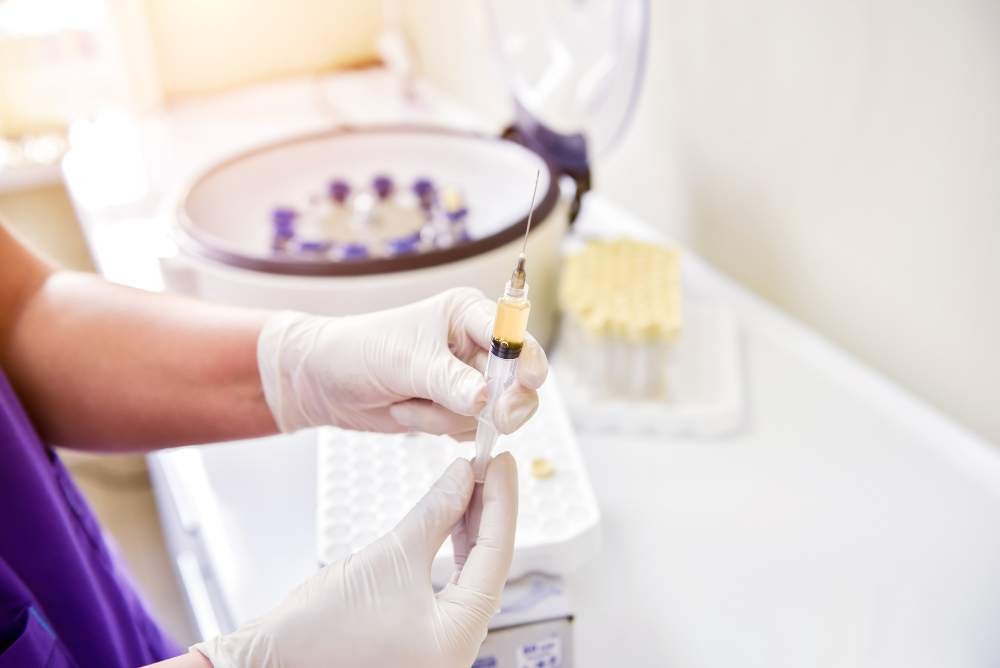
Before exploring specific conditions, it helps to understand the mechanism behind prp injections near me treatments. PRP is derived from your own blood, which is processed to concentrate platelets and growth factors. When injected into damaged tissue, these components trigger a natural healing response, reducing inflammation, promoting tissue regeneration, and improving function.

This biological approach is why many patients prefer prp injections in Seattle over surgery or long-term medication. It works with your body’s natural healing processes rather than against them.

The Science Behind Effective Treatment

The effectiveness of prp injections seattle depends on:

  • Quality of the PRP preparation
  • Precise injection placement
  • The condition being treated
  • Your overall health and healing capacity
  • Proper post-treatment care

Understanding these factors helps explain why results vary and why choosing an experienced provider matters.

Orthopedic Conditions Treated with PRP Injections

PRP injections near me are particularly effective for musculoskeletal injuries and degenerative conditions. Many patients seeking prp injections in Seattle have already tried conservative treatments and are looking for a solution that avoids surgery.

Knee Pain and Osteoarthritis

One of the most common reasons people search for “prp injections Seattle” is knee pain. Whether from osteoarthritis, meniscus tears, or ligament damage, prp injections can help reduce inflammation and promote cartilage repair. Many patients experience significant improvement in mobility and pain reduction.

Shoulder Injuries

Rotator cuff tears, tendinitis, and shoulder impingement respond well to prp injections in Seattle. The growth factors in PRP help repair damaged tendons and reduce the inflammation that causes pain and limited range of motion.

Elbow and Wrist Issues

Tennis elbow, golfer’s elbow, and wrist sprains are conditions where prp injections Seattle has shown excellent results. These injuries often affect athletes and professionals who need quick recovery without downtime.

Ankle and Foot Problems

Plantar fasciitis, ankle sprains, and Achilles tendon injuries frequently improve with prp injections near me treatment. The localized healing response helps restore function and reduce chronic pain.

Sports Injuries and Athletic Performance

Many athletes choose prp injections in Seattle because the treatment promotes faster healing while maintaining performance. Unlike surgery, which requires extended rehabilitation, prp injections Seattle allows many athletes to return to activity sooner.

Common Sports Injuries Treated

  • Hamstring strains
  • Ligament sprains
  • Muscle tears
  • Tendon injuries
  • Chronic overuse injuries

Professional and amateur athletes across Seattle rely on prp injections near me to stay competitive while healing naturally.

Hair Loss and Aesthetic Applications

Beyond orthopedic uses, prp injections in seattle are also effective for hair restoration. PRP stimulates hair follicles, promoting growth and thickness. For people experiencing androgenetic alopecia or thinning hair, prp injections seattle offers a non-surgical alternative to hair transplants.

Why Athletes and Professionals Choose PRP for Hair

  • Stimulates natural hair growth
  • Improves hair thickness and density
  • Works with your body’s biology
  • Minimal downtime
  • Results improve over time

Skin Rejuvenation and Anti-Aging

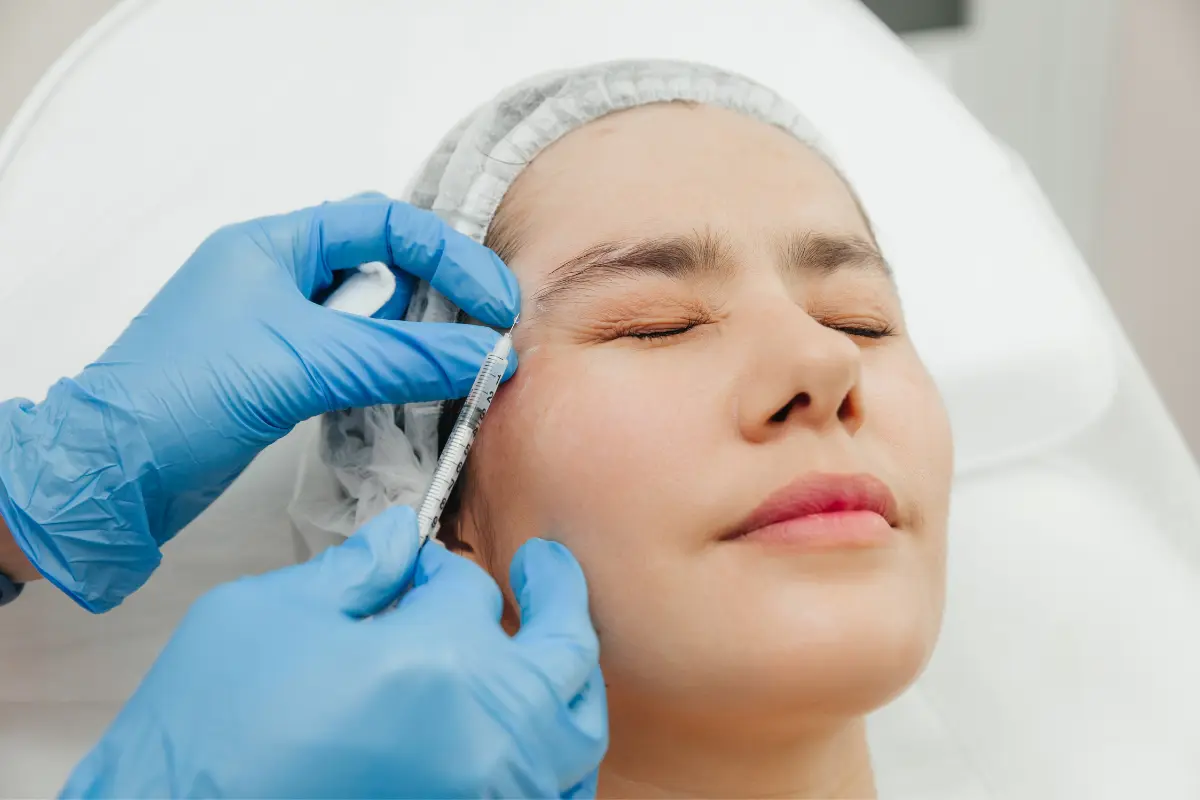
PRP injections near me are increasingly used for facial rejuvenation. The growth factors in PRP promote collagen production, improving skin texture, reducing fine lines, and creating a more youthful appearance. This is often called the “vampire facial” when combined with microneedling.

Skin Conditions That Respond to PRP

  • Fine lines and wrinkles
  • Acne scars
  • Sun damage
  • Loss of skin elasticity
  • Uneven skin tone

Many patients seeking prp injections in seattle for aesthetic reasons appreciate that results develop naturally over weeks and months.

Cost Considerations: Understanding PRP Injection Pricing

A common question patients ask is about the cost of prp injections. Pricing varies based on several factors, including the condition being treated, the number of injections needed, and the clinic’s expertise level.

Factors Affecting Cost of PRP Injections

  • Type of condition being treated
  • Number of treatment sessions required
  • Clinic location and provider experience
  • Quality of PRP preparation equipment
  • Geographic region (Seattle pricing may differ from other areas)

On average, a single prp injections seattle treatment ranges from $500 to $2,500 per session, depending on these variables.

Insurance Coverage: Is PRP Injection Cost Covered by Insurance?

Many patients wonder whether their insurance will cover prp injection cost covered by insurance. Unfortunately, most insurance plans do not cover PRP treatments because they are still considered experimental or elective by many insurers.

Understanding Insurance Coverage

Currently, prp injection cost covered by insurance is rare. Most insurance companies classify PRP as:

  • Experimental treatment
  • Elective procedure
  • Not medically necessary

However, some plans may cover treatment if it is medically necessary for specific conditions. We recommend contacting your insurance provider directly to ask about coverage for your specific situation.

Payment Options at PRP in Seattle

Since prp injection cost covered by insurance is uncommon, we offer flexible payment options:

  • Out-of-pocket payment
  • Payment plans
  • Medical financing options
  • HSA/FSA accounts

Understanding the true cost of prp injections helps you budget for treatment and compare providers fairly.

Why Choose PRP Injections in Seattle?

When searching for “prp injections near me,” location matters. Seattle has some of the most experienced regenerative medicine specialists in the country. Choosing a qualified provider ensures you receive high-quality PRP preparation and precise injection technique.

What to Look for in a PRP Provider

  • Board certification or relevant credentials
  • Experience with your specific condition
  • Advanced PRP preparation technology
  • Clear explanation of cost of prp injections
  • Realistic expectations about results
  • Transparent communication about whether prp injection cost covered by insurance

At PRP in Seattle, we prioritize patient education and transparent pricing so you understand exactly what to expect.

Real Results from PRP Injections in Seattle

Patients who choose prp injections in seattle often report:

  • Reduced pain and inflammation
  • Improved mobility and function
  • Faster recovery than expected
  • Long-lasting results
  • Avoidance of surgery

These outcomes explain why more people are searching for “prp injections near me” as an alternative to traditional treatments.

Getting Started With PRP Injections

If you are interested in learning more about prp injections seattle for your specific condition, the first step is a consultation. During this appointment, we will:

  • Evaluate your condition
  • Discuss whether PRP is appropriate for you
  • Explain the cost of prp injections and payment options
  • Address questions about whether prp injection cost covered by insurance
  • Create a personalized treatment plan

The Science Behind Effective Treatment

The effectiveness of prp injections seattle depends on:

  • Quality of the PRP preparation
  • Precise injection placement
  • The condition being treated
  • Your overall health and healing capacity
  • Proper post-treatment care

Understanding these factors helps explain why results vary and why choosing an experienced provider matters.

Orthopedic Conditions Treated with PRP Injections

PRP injections near me are particularly effective for musculoskeletal injuries and degenerative conditions. Many patients seeking prp injections in seattle have already tried conservative treatments and are looking for a solution that avoids surgery.

Knee Pain and Osteoarthritis

One of the most common reasons people search for “prp injections seattle” is knee pain. Whether from osteoarthritis, meniscus tears, or ligament damage, prp injections near me can help reduce inflammation and promote cartilage repair. Many patients experience significant improvement in mobility and pain reduction.

Shoulder Injuries

Rotator cuff tears, tendinitis, and shoulder impingement respond well to prp injections in seattle. The growth factors in PRP help repair damaged tendons and reduce the inflammation that causes pain and limited range of motion.

Elbow and Wrist Issues

Tennis elbow, golfer’s elbow, and wrist sprains are conditions where prp injections seattle has shown excellent results. These injuries often affect athletes and professionals who need quick recovery without downtime.

Ankle and Foot Problems

Plantar fasciitis, ankle sprains, and Achilles tendon injuries frequently improve with prp injections near me treatment. The localized healing response helps restore function and reduce chronic pain.

Sports Injuries and Athletic Performance

Many athletes choose prp injections in seattle because the treatment promotes faster healing while maintaining performance. Unlike surgery, which requires extended rehabilitation, prp injections seattle allows many athletes to return to activity sooner.

Common Sports Injuries Treated

  • Hamstring strains
  • Ligament sprains
  • Muscle tears
  • Tendon injuries
  • Chronic overuse injuries

Professional and amateur athletes across Seattle rely on prp injections near me to stay competitive while healing naturally.

Hair Loss and Aesthetic Applications

Beyond orthopedic uses, prp injections in seattle are also effective for hair restoration. PRP stimulates hair follicles, promoting growth and thickness. For people experiencing androgenetic alopecia or thinning hair, prp injections seattle offers a non-surgical alternative to hair transplants.

Why Athletes and Professionals Choose PRP for Hair

  • Stimulates natural hair growth
  • Improves hair thickness and density
  • Works with your body’s biology
  • Minimal downtime
  • Results improve over time

Skin Rejuvenation and Anti-Aging

PRP injections near me are increasingly used for facial rejuvenation. The growth factors in PRP promote collagen production, improving skin texture, reducing fine lines, and creating a more youthful appearance. This is often called the “vampire facial” when combined with microneedling.

Skin Conditions That Respond to PRP

  • Fine lines and wrinkles
  • Acne scars
  • Sun damage
  • Loss of skin elasticity
  • Uneven skin tone

Many patients seeking prp injections in seattle for aesthetic reasons appreciate that results develop naturally over weeks and months.

Cost Considerations: Understanding PRP Injection Pricing

A common question patients ask is about the cost of prp injections. Pricing varies based on several factors, including the condition being treated, the number of injections needed, and the clinic’s expertise level.

Factors Affecting Cost of PRP Injections

  • Type of condition being treated
  • Number of treatment sessions required
  • Clinic location and provider experience
  • Quality of PRP preparation equipment
  • Geographic region (Seattle pricing may differ from other areas)

On average, a single prp injections seattle treatment ranges from $500 to $2,500 per session, depending on these variables.

Insurance Coverage: Is PRP Injection Cost Covered by Insurance?

Many patients wonder whether their insurance will cover prp injection cost covered by insurance. Unfortunately, most insurance plans do not cover PRP treatments because they are still considered experimental or elective by many insurers.

Understanding Insurance Coverage

Currently, prp injection cost covered by insurance is rare. Most insurance companies classify PRP as:

  • Experimental treatment
  • Elective procedure
  • Not medically necessary

However, some plans may cover treatment if it is medically necessary for specific conditions. We recommend contacting your insurance provider directly to ask about coverage for your specific situation.

Payment Options at PRP in Seattle

Since prp injection cost covered by insurance is uncommon, we offer flexible payment options:

  • Out-of-pocket payment
  • Payment plans
  • Medical financing options
  • HSA/FSA accounts

Understanding the true cost of prp injections helps you budget for treatment and compare providers fairly.

Why Choose PRP Injections in Seattle?

When searching for “prp injections near me,” location matters. Seattle has some of the most experienced regenerative medicine specialists in the country. Choosing a qualified provider ensures you receive high-quality PRP preparation and precise injection technique.

What to Look for in a PRP Provider

  • Board certification or relevant credentials
  • Experience with your specific condition
  • Advanced PRP preparation technology
  • Clear explanation of cost of prp injections
  • Realistic expectations about results
  • Transparent communication about whether prp injection cost covered by insurance

At PRP in Seattle, we prioritize patient education and transparent pricing so you understand exactly what to expect.

Real Results from PRP Injections in Seattle

Patients who choose prp injections in seattle often report:

  • Reduced pain and inflammation
  • Improved mobility and function
  • Faster recovery than expected
  • Long-lasting results
  • Avoidance of surgery

These outcomes explain why more people are searching for “prp injections near me” as an alternative to traditional treatments.

Getting Started With PRP Injections

If you are interested in learning more about prp injections seattle for your specific condition, the first step is a consultation. During this appointment, we will:

  • Evaluate your condition
  • Discuss whether PRP is appropriate for you
  • Explain the cost of prp injections and payment options
  • Address questions about whether prp injection cost covered by insurance
  • Create a personalized treatment plan

FAQs

1. What is PRP and how do PRP injections in Seattle work?

PRP (Platelet-Rich Plasma) is derived from your own blood and concentrated to contain high levels of growth factors. When injected into damaged tissue, prp injections seattle trigger natural healing responses that reduce inflammation, promote tissue repair, and improve function. This biological approach is why many patients prefer prp injections near me over surgery.

2. How many treatment sessions are typically needed for PRP injections near me?

The number of sessions depends on your condition and healing response. Most patients require 1-3 prp injections in seattle sessions, spaced 4-6 weeks apart. Your provider will recommend a treatment plan based on your specific situation and discuss the total cost of prp injections upfront.

3. Is the cost of PRP injections covered by insurance?

Unfortunately, prp injection cost covered by insurance is uncommon because most insurers classify PRP as experimental or elective. However, some plans may cover treatment for specific medical conditions. We recommend contacting your insurance to ask about coverage for your situation. If prp injection cost covered by insurance is not available, we offer flexible payment options.

4. What conditions can PRP injections treat?

PRP injections seattle effectively treat a wide range of conditions, including knee osteoarthritis, shoulder injuries, tennis elbow, ankle sprains, hamstring strains, hair loss, and skin rejuvenation. Many athletes and professionals choose prp injections near me for faster healing and natural results without surgery.

5. How much do PRP injections cost in Seattle?

The cost of prp injections in Seattle typically ranges from $500 to $2,500 per session, depending on the condition, number of injections needed, and provider expertise. Since prp injection cost covered by insurance is rare, we offer payment plans and financing options to make prp injections in seattle accessible to more patients.

PRP Injection for Penile Enlargement Before and After: What Patients Should Know

PRP Injection for Penile Enlargement Before and After: What Patients Should Know

By PRP Injections

Many men notice changes in erection quality, sensitivity, or self-confidence over time but feel uncertain about where to turn for help. Surgical enlargement procedures can feel extreme, and oral medications do not always address the root cause of the problem: tissue health.

This growing concern has led many men to search for non-surgical PRP injection for Penile Enlargement options that actually work. A PRP injection for penile enlargement is one such option gaining traction. PRP in Seattle offers a non-surgical PRP penile shot designed to support erectile performance, sensitivity, and overall penile health with little to no downtime.

What Is a PRP Penile Shot?

A PRP penile shot starts with a simple blood draw. That blood is processed in a centrifuge to isolate platelet-rich plasma, which is then injected directly into the corpora cavernosa, the erectile tissue of the penis. Because the treatment uses the patient’s own blood, the risk of allergic reaction is very low, and most men return to their normal routine the same day.

How PRP Penile Enlargement Works?

Platelet-rich plasma contains a high concentration of growth factors that trigger the body’s own healing and tissue-rebuilding processes. When injected into penile tissue, these growth factors promote new blood vessel formation, stimulate stem cell activity, and boost collagen production. Together, these biological changes lead to better circulation, healthier tissue, and the potential for modest size enhancement.

The key growth factors at work include PDGF, VEGF, and TGF-beta, which act in combination to repair and rejuvenate penile tissue. This approach works with the body rather than introducing synthetic materials or relying on invasive surgery.

For patients who want to understand the clinical basis of this therapy, the National Institutes of Health (NIH) PubMed database provides a systematic review of preclinical and clinical studies on PRP for erectile dysfunction, covering the mechanism of action, outcomes, and safety data.

Penile Enlargement Before and After Results

Men considering this treatment naturally want a realistic picture of what to expect and when. Initial improvements in sensitivity and erectile function can appear within the first few weeks. That said, the most noticeable results tend to develop between three and four months after treatment, as tissue regeneration runs its course.

Before treatment, many patients report reduced sensitivity, difficulty maintaining an erection, or dissatisfaction with size. After completing their PRP injection protocol, men frequently describe enhanced sensation, stronger and more reliable erections, increased girth, and, in some cases, a modest improvement in length.

This gradual progression reflects the biological nature of tissue regeneration. Unlike surgical procedures that produce immediate but high-risk changes, PRP therapy works alongside the body’s own healing process to produce changes that hold up over time.

What Happens During the Appointment?

At PRP in Seattle, each appointment begins with a brief health history review and the application of a topical numbing agent. A small blood sample is drawn and placed into an on-site centrifuge, where it spins for roughly ten minutes to isolate the platelet-rich plasma. The PRP is then injected into the penis using a fine-gauge needle.

Most patients rate discomfort at a 2 or 3 out of 10. In some cases, a vacuum erection device may be used briefly after the injection to help distribute the plasma evenly throughout the tissue. The entire process is straightforward, and most men are back to their regular activities the same day. Mild warmth or fullness may linger for a day or two but typically resolves on its own.

How Long Does a PRP Penile Shot Last?

Results from a PRP penile shot in Seattle generally hold for 12 to 18 months. Many patients return annually to maintain their results. For most men, a single session is enough, though some with more specific goals may be recommended two sessions spaced roughly eight weeks apart.

What are the Safety and Side Effects of Penile Enlargement?

One of the main advantages of PRP penile enhancement is its strong safety record. Since the treatment uses the patient’s own blood, the risk of allergic reaction or disease transmission is effectively eliminated. Side effects, when they occur, are mild and short-lived, including minor bruising at the injection site, brief swelling, or slight discomfort that clears within a few days.

Serious complications are rare when the procedure is performed by a qualified provider using proper sterile technique. PRP in Seattle uses FDA-cleared equipment for blood processing, and all protocols are designed with patient safety as the priority.

For guidance on how the FDA classifies and regulates platelet-rich plasma devices used in clinical settings, patients can refer to the U.S. Food & Drug Administration’s official resource on blood and biologic device approvals.

How is PRP Compared to Other Male Enlargement Options?

When looking for a penile enlargement option in Seattle, men often compare PRP injections against surgical procedures, dermal fillers, and oral medications. Surgery carries significant risks, including scarring, possible nerve damage, and a real chance of worsening erectile function. Dermal fillers offer quick results but tend to require repeat treatments and carry the risk of migration or uneven distribution over time.

PRP falls in between. It provides natural enhancement without the risks of surgery, and unlike fillers, its regenerative effects can last considerably longer. Importantly, PRP also addresses erectile performance in a way that purely cosmetic options cannot.

Who Is a Good Candidate for the P-Shot?

Men who tend to see the best outcomes are those dealing with mild to moderate erectile dysfunction, reduced sensation, or a desire for natural size enhancement without surgery. Men with Peyronie’s disease, a condition involving scar tissue that causes curved and often painful erections, may also benefit from PRP’s tissue remodeling effects.

Not every patient is a good fit. Men with certain blood disorders, active infections, or specific types of cancer may not be suitable candidates. A thorough consultation with a qualified provider helps determine whether PRP is appropriate and sets realistic expectations for results.

Long-Term Benefits and Ongoing Maintenance

The tissue-regenerating effects of PRP penile treatment can persist for 12 to 18 months or longer. Some men choose periodic maintenance treatments to keep results at their peak, and there is evidence that repeated sessions may produce progressively better outcomes over time.

Beyond physical improvements, many patients report a meaningful boost in confidence and greater satisfaction in their personal relationships. Addressing sexual health concerns directly can have a real impact on overall quality of life, extending well beyond any single measurement.

Taking the Next Step

Men dealing with erectile dysfunction, loss of sensation, or size concerns now have access to a well-established, natural treatment option through PRP Penile Enlargement. PRP in Seattle provides consultations and treatment services, with advanced techniques and careful protocols to help patients reach their sexual health goals.

The team understands how personal these concerns can be and provides discreet, professional care in a comfortable clinical setting. To schedule a private consultation and learn how PRP injection therapy can support sexual health and confidence through the body’s own regenerative capacity, contact PRP in Seattle today.

smile lines

Can PRP Fix Smile Lines?

By PRP Injections

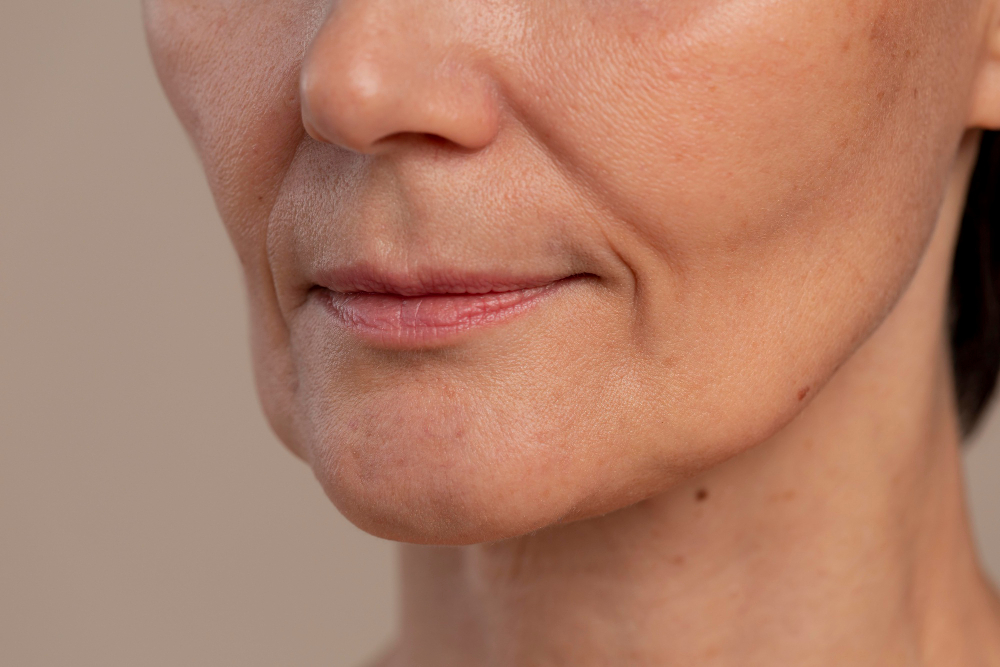
Smile lines, also known as nasolabial folds, are one of the earliest and most noticeable signs of facial aging. These lines extend from the sides of the nose down to the corners of the mouth. Over time, they become more pronounced with repeated facial expressions, sun exposure, and natural collagen loss. Patients looking for treatment options beyond traditional dermal fillers sometimes ask: Can PRP fix smile lines?

In this blog, we’ll address this question. 

Key Points

  • Yes, a PRP in Seattle (Platelet-Rich Plasma) can help reduce mild-to-moderate smile lines gradually, though results differ from dermal fillers
  • It works well for subtle softening and skin quality, not for correcting deep, volume-related folds.
  • You can expect a series of sessions, with results appearing over 6–12 weeks.
  • For deeper folds, PRP is typically used alongside fillers or other treatments for better results.

What Is PRP?

Platelet-Rich Plasma (PRP) is created from a small sample of your own blood. The blood is placed in a centrifuge, which spins at high speed to separate the plasma layer (rich in platelets and growth factors) from red and white blood cells. The resulting concentrate contains approximately 2-5 times the platelet concentration found in normal blood. 

These platelets contain growth factors or proteins that signal your cells to repair tissue, produce collagen, and generate new blood vessels. When injected into the nasolabial folds, these growth factors activate your body’s natural healing response.

How PRP Helps Improve Smile Lines

As collagen production slows with age, smile lines can become more visible. PRP is used to support the body’s natural collagen response in the treated area, which can lead to a smoother texture and better skin quality over time.

Clinical research on PRP for facial rejuvenation suggests it may help improve skin thickness, elasticity, and overall appearance in areas like the nasolabial folds. In many studies, patients report reduced wrinkle depth and a healthier-looking skin texture after completing a treatment series.

PRP vs Dermal Fillers for Smile Lines

Understanding the difference between PRP and traditional dermal fillers is important for setting realistic expectations:

Dermal Fillers (Hyaluronic Acid-Based):

  • Provide immediate volume and lift
  • Results are visible immediately after treatment
  • Typically last 6-12 months before requiring touch-ups
  • Work by physically filling the space beneath the line
  • Suitable for deeper folds requiring significant volume

PRP Injections:

  • Improve skin quality from within through collagen stimulation
  • Results develop gradually over weeks to months
  • Effects may last 6-18 months with proper maintenance
  • Enhance texture, elasticity, and thickness without adding bulk
  • Suitable for moderate lines and overall skin rejuvenation
  • Natural approach using your body’s own healing factors

The Most Common PRP Treatment Approaches for Smile Lines

PRP can be used in different ways depending on how deep the smile lines are and what kind of improvement you want.

PRP injections 

PRP can be injected directly into the lower face to support collagen and improve skin quality. This is usually chosen when the goal is gradual softening, not instant filling.

PRP with microneedling

Microneedling creates controlled micro-injuries that stimulate collagen, and PRP is applied or delivered during the process to enhance healing signals. This combination is often selected when smile lines come with texture issues (fine creasing, enlarged pores, dullness).

Combination therapy for deeper folds

When smile lines are deeper and more structurally set, PRP is often combined with other treatments. For example, it may be paired with a dermal filler for added lift and volume or with a laser treatment for skin tightening. In many cases, PRP works well as part of a combination plan rather than as a stand-alone treatment for deep folds.

How Many Sessions Do I Need?

Most patients need a series of 3 to 4 PRP sessions, spaced a few weeks apart, to see noticeable improvement in smile lines. After the initial series, maintenance treatments every 6 to 12 months are often recommended to help maintain skin quality and support long-term results.

How Long Do PRP Results Last for Smile Lines?

PRP results for smile lines typically last 6 to 12 months, depending on skin quality, age, and how many sessions are completed. Many patients choose periodic maintenance treatments to help extend and refresh their results.

Who Is a Good Candidate?

PRP may be suitable for patients who:

  • Have early smile lines and want gradual softening
  • Want a natural-looking improvement focused on skin quality
  • Have dullness, crepey texture, or fine lines alongside folds
  • Prefer to avoid or minimize synthetic injectable

PRP may be less satisfying if patients want:

  • An instant correction of deep nasolabial folds
  • Dramatic volume restoration (filler is typically better for that)

Side Effects and Safety Considerations

Common short-term effects of PRP include:

  • Redness
  • Swelling
  • Bruising
  • Tenderness at injection or microneedling sites

Even though PRP uses your own blood, it still involves needles and must be performed with strict medical standards. 

What to Ask During a Consultation

To avoid disappointment and get a plan that matches your anatomy, ask:

  • Are my smile lines mostly skin texture or volume-related?
  • Would PRP be used as a single plan or combined with another treatment?
  • How many sessions do you typically recommend for nasolabial folds?
  • What changes should I expect at 4 weeks, 8 weeks, and 12 weeks?

Find Out If PRP Is Right for You

Every face ages differently, and the right plan depends on whether your folds are mainly related to skin quality, volume loss, or both. During a consultation at PRP In Seattle, our qualified injectors will assess your smile lines and explain what PRP can realistically achieve. Call us at (206) 279-2112 to book a consultation.

FAQs 

How much is PRP for smile lines?
PRP pricing varies by provider and treatment plan. The total depends on how many sessions are recommended and whether it is combined with other treatments like microneedling.

What is the best procedure to get rid of smile lines?
The best treatment depends on how deep the lines are. Mild lines may improve with PRP or microneedling, while deeper folds often respond better to dermal fillers that restore volume. In some cases, combination treatments provide the most balanced result.

Does PRP act like filler?
No. PRP does not instantly fill or lift like dermal filler. It works by stimulating collagen over time, which can gradually soften lines but does not create immediate volume.

Can face PRP go wrong?
PRP is generally considered safe when performed by a trained provider because it uses your own blood. However, improper technique can lead to swelling, bruising, uneven results, or infection, which is why choosing an experienced practitioner is important.

At what age do smile lines start?
Smile lines can begin forming in the late 20s to early 30s, but they typically become more noticeable in the 30s and 40s as collagen production naturally declines.

tighten neck skin with PRP

How to Tighten Neck Skin with PRP

By PRP Injections

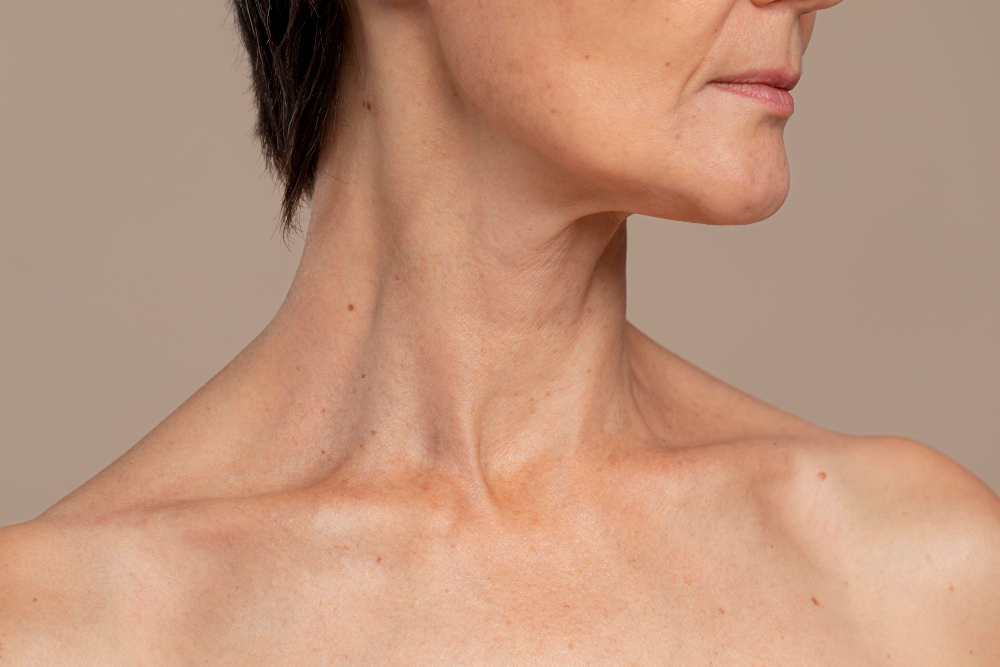
Are you noticing sagging skin, horizontal lines, or crepey texture on your neck? This frustrating sign of aging often appears despite a good skincare routine. It leaves you searching for solutions that actually work. PRP (Platelet-Rich Plasma) therapy offers a natural, minimally invasive treatment. It uses your body’s own healing abilities to restore firmness and elasticity to your neck skin.

Why Does Neck Skin Sag?

Your neck faces specific challenges that speed up visible aging. The skin on your neck is thinner than facial skin. It has fewer oil glands and moves constantly throughout the day. Combined with sun exposure, genetics, and natural collagen loss that begins in your twenties, these factors accelerate aging.

Weight fluctuations and hormonal changes also reduce skin elasticity. This makes the neck one of the first areas to show signs of aging.

What Is PRP Neck Rejuvenation?

PRP neck treatment in Seattle uses concentrated platelets from your blood to boost collagen production. It helps regenerate tissue in the neck area. This non-surgical procedure addresses loose skin, fine lines, horizontal bands, and uneven texture.

At PRP in Seattle, our providers draw a small amount of your blood. We process it in a centrifuge to separate platelet-rich plasma. This plasma is injected into targeted areas of your neck. The platelets release growth factors that activate your natural healing response. This encourages new collagen formation and gradual skin tightening.

The Science Behind PRP for Neck Tightening

Platelet-rich plasma contains up to five times the normal concentration of platelets found in your blood. These platelets carry potent growth factors, including PDGF (Platelet-Derived Growth Factor), TGF (Transforming Growth Factor), and VEGF (Vascular Endothelial Growth Factor), which work together to rejuvenate the skin.

When injected into neck tissue, PRP triggers a controlled inflammatory response that stimulates fibroblasts to produce new collagen and elastin fibers. This remodeling process strengthens the skin’s structure, improving thickness, texture, and firmness. Clinical studies evaluating PRP for skin rejuvenation have reported measurable increases in dermal collagen and improvements in overall skin density over the first few months after treatment

Benefits of PRP for Neck and Décolletage

PRP treatment offers multiple advantages for neck rejuvenation:

  • Smoother texture: Reduces the crepey, paper-thin appearance that develops with age.
  • Softer lines: Lessens the visibility of fine lines and early “neck rings.”
  • Even tone: Creates a more uniform, healthier-looking appearance on the neck and chest.
  • Gradual firmness: While not a surgical lift, PRP helps the neck look more refined and toned over time.
  • Minimal downtime: Most people experience mild redness or swelling that settles within a few days.
  • Natural approach: Uses your body’s own plasma with no foreign materials or synthetic substances.

The PRP Neck Treatment Process at PRP in Seattle

Initial Consultation

Your visit starts with an assessment of your neck concerns, medical history, and aesthetic goals. We evaluate skin laxity, texture issues, and underlying muscle bands to create your customized treatment plan.

Blood Collection and Processing

During your appointment, we draw approximately 10-20ml of blood, similar to a routine lab test. This blood undergoes centrifugation for 10-15 minutes to separate and concentrate the platelets, creating your PRP serum.

Treatment Application

After applying numbing cream for comfort, our providers use fine needles to deliver PRP through multiple small injections across your neck area. Some providers combine injections with microneedling to enhance absorption and results. The entire process takes 45-60 minutes.

Post-Treatment Care

You’ll receive detailed aftercare instructions to maximize healing and results. This includes avoiding direct sun exposure, staying hydrated, and following a gentle skincare routine for the first few days.

Expected Results and Timeline

Week 1-2: Initial healing phase with possible mild swelling or tenderness

Week 3-4: Early improvements in skin texture and hydration become visible

Month 2-3: Noticeable skin tightening and reduction in fine lines

Months 3-6: Continued collagen remodeling delivers maximum firmness and elasticity

Individual results vary based on age, skin condition, and lifestyle factors. Most people achieve the best outcomes with a series of 2-3 treatments spaced 4-6 weeks apart, followed by annual maintenance sessions.

Combining PRP with Other Neck Treatments

Microneedling with PRP

Adding microneedling creates controlled micro-injuries that enhance PRP penetration and stimulate additional collagen production. This combination particularly benefits crepey skin texture.

Radiofrequency Therapy

Pairing PRP with radiofrequency treatments provides dual-action tightening through thermal collagen contraction and biological regeneration.

Thread Lifts

For moderate to severe laxity, combining PRP with PDO threads offers immediate lifting plus long-term collagen stimulation for complete neck rejuvenation.

Ideal Candidates for PRP Neck Treatment

PRP neck rejuvenation works best for individuals experiencing mild to moderate skin laxity, fine lines, or textural concerns. Good candidates include:

  • Adults aged 30-65 with early to moderate neck aging
  • Those seeking natural, gradual improvements
  • People wanting to avoid or delay surgical procedures
  • Individuals with realistic expectations about outcomes
  • Non-smokers or those willing to quit before treatment

Certain medical conditions, including blood disorders, active infections, or cancermay prevent PRP treatment. Our providers conduct thorough screenings to ensure your safety and treatment suitability.

Cost Considerations

PRP neck treatment costs vary based on treatment area size, number of sessions needed, and geographic location. While insurance doesn’t cover cosmetic procedures, many people find PRP cost-effective compared to surgical alternatives when considering minimal downtime and natural results. PRP in Seattle, Washington, offers flexible payment options to make treatment accessible.

Frequently Asked Questions

How painful is PRP neck treatment?

Most people experience minimal discomfort thanks to topical numbing cream applied before treatment. You may feel slight pressure or pinching during injections, but the procedure is generally well-tolerated.

How many PRP sessions are needed for neck tightening?

Full results require 2-3 initial treatments spaced 4-6 weeks apart. Annual maintenance sessions help sustain improvements long-term.

Can PRP eliminate turkey neck completely?

PRP significantly improves mild to moderate skin laxity and texture but cannot replicate surgical results for severe sagging. Our providers will honestly assess whether PRP can meet your goals during consultation.

What is the difference between PRP and dermal fillers for the neck?

PRP stimulates your body’s natural collagen production for gradual tightening and texture improvement, while fillers add immediate volume. PRP offers more natural, long-lasting skin quality improvements without adding bulk.

Are there any side effects of PRP neck treatment?

Common side effects include temporary swelling, bruising, or tenderness at injection sites. These usually resolve within 48 hours. Serious complications are extremely rare when treatment is performed by qualified providers.

How long do PRP neck results last?

With proper maintenance, PRP neck rejuvenation results can lastMar 12-18 months or longer. Factors including age, sun protection, and skincare routine influence longevity.

Is PRP better than a surgical neck lift?

PRP is a non-surgical neck lift alternative that works best for mild to moderate aging. It requires no incisions, minimal downtime, and uses your body’s natural healing. Surgical neck lifts provide more dramatic results for severe sagging but involve longer recovery and higher costs.

Can PRP help with neck wrinkles?

Yes, PRP therapy for neck wrinkles stimulates collagen and elastin production, which smooths fine lines and horizontal neck bands over time. Results develop gradually as your skin regenerates.

Get Started with PRP Neck Tightening in Seattle

Ready to tighten sagging neck skin naturally? Contact PRP in Seattle today to schedule your consultation. Our experienced providers will evaluate your concerns and create a treatment plan to help you achieve firm, smooth neck skin. Don’t let neck aging hold you back from feeling confident. Call us now or book your appointment online to start your non-surgical neck rejuvenation with PRP therapy.

Skin treatment with prp

PRP for Crow’s Feet | Treatment Options

By PRP Injections

The eyes are often the first thing people notice about us. They convey emotion, personality, and vitality. But the delicate skin around them is also one of the first spots to show signs of aging. Those fine lines that fan out from the outer corners of your eyes? They are called crow’s feet. These are just a part of a life filled with smiles and expressions. They show up when you smile, laugh, squint, or spend years in the bright sun. Many people like them. Others want them softened, without freezing their expression. That’s where PRP comes in. Read on for a detailed breakdown of what PRP can do for crow’s feet.

PRP is Not Botox

Crow’s feet are often dynamic wrinkles. This means they’re created by muscle movement (smiling and squinting). Botox and other neuromodulators work by relaxing those muscles, which is why they’re widely used for crow’s feet.

PRP works differently. It’s usually used to improve skin quality. It works on the texture, crepey skin, and overall thinness around the eyes, rather than shutting off motion.

What Is PRP?

PRP or platelet-rich plasma is a treatment that uses a patient’s own blood. The blood is spun in a machine to separate and concentrate the platelets. Providers use it for a range of reasons, including facial rejuvenation. 

Platelets contain substances that help the body repair itself. Since PRP uses your own blood, the chance of an allergic reaction is low, but it is still a medical treatment and can be risky if not done properly.

Why Crow’s Feet Form

Crow’s feet usually come from a mix of:

  • Muscle movement (smiling/squinting)
  • Sun damage (collagen breakdown)
  • Thinning skin as collagen and elastin decrease with age
  • Dryness and irritation around the eyes
  • Lifestyle factors like smoking, poor sleep, and chronic squinting

The eye area is also very tricky, as the skin is thinner. It moves constantly, and swelling/bruising can happen easily.

Benefits of PRP for Crow’s Feet

PRP is often used to help improve the skin over time. Research in dermatology suggests that PRP can activate cells in aging skin. It is associated with increased collagen and elastin, which are important for skin firmness and elasticity.

In practical terms, people typically seek PRP around the eyes for:

PRP may be delivered in a few ways:

Who Is a Candidate for PRP Around the Eyes?

PRP tends to make the most sense when your main concerns are:

  • Early fine lines (etched texture)
  • Crepey skin
  • Thin, tired-looking skin quality
  • You want gradual, natural-looking improvement

Who Is Not a Candidate for PRP Around the Eyes?

PRP is usually not the best primary treatment if:

  • Your crow’s feet are mainly from strong muscle movement
  • You have deep static lines and significant laxity

Health screening matters. Certain blood conditions can make you a poor candidate. 

How to Prepare for a PRP Treatment

Preparing for a PRP treatment is usually simple. In the days leading up to your appointment, it is often recommended to avoid alcohol, as it can affect hydration and blood quality. PRP providers may ask you to stop certain medications (like blood thinners).

It is important to talk with your provider about any medications or supplements you take before treatment. This allows them to guide you safely and decide what, if anything, should be adjusted ahead of time. Staying well hydrated and arriving with clean skin on the day of your appointment can also help make the process smoother.

What to Expect During a PRP Treatment

While protocols differ, most clinics follow the same basics. A PRP treatment usually happens in two main steps and is done in the office. First, a small amount of blood is taken from your arm, similar to a routine blood draw. That blood is placed into a machine that spins it to separate the platelets from the rest of the blood. The goal is to collect the part of the blood that is rich in platelets, which contain natural substances that help support healing and skin repair. This process turns the blood into a yellow, serum-like liquid that is ready to be used for treatment.

Next, the PRP is placed back into the treatment area. Depending on your goals, it may be gently injected, applied after treatments like microneedling or laser, or placed into the skin in specific areas. The injections feel similar to other cosmetic injections and usually take only a few minutes. After treatment, the skin may look pink or slightly red and feel tender, with mild swelling or small pinpoint marks. These effects are normal and usually fade within a day or two as the skin begins its natural healing process. The whole process often takes around 45 minutes to an hour.

Downtime and Side Effects

Many people have redness for a day or two, plus possible swelling or bruising, especially around the eyes. Common PRP side effects are soreness and bruising, and less common risks can include bleeding, tissue damage, infection, or nerve injuries.

How Many Treatments Do You Need?

There’s no universal answer. In practice, many clinics recommend a series (often 2–3 sessions spaced weeks apart) and then maintenance. Your provider should explain why they recommend your plan and what success looks like for you.

Questions to Ask During Your PRP Consultation

If you’re considering PRP around the eyes, ask:

  • Who performs the procedure?
  • Is PRP injected, microneedled, or both, and why?
  • What results should I realistically expect for my type of crow’s feet?
  • What are the risks and how do you handle complications?
  • What infection control standards do you follow?
  • What is the treatment plan and what evidence is it based on?

Considering PRP for Crow’s Feet in Seattle?

PRP can be a thoughtful option for crow’s feet when the goal is skin quality. If you’re exploring non-invasive options to refresh the eye area in Seattle, a consultation can determine if PRP is right for you. At PRP In Seattle, we create a plan based on your anatomy, wrinkle type, and realistic outcomes. Call us at (206) 279-2112 to book an appointment. 

FAQs

Will PRP erase crow’s feet completely?
Usually, no. PRP is more likely to soften fine lines and improve skin texture. Dynamic crow’s feet often respond best to neuromodulators.

Does it hurt?
There can be discomfort, especially with injections and microneedling. In at least one randomized trial, patients reported pain/discomfort and burning/stinging with both PRP and saline injections when microneedling was performed.

Is PRP safe?
When done in a proper medical setting with sterile technique, PRP is generally considered low risk, but infection and other complications are possible.

Who should avoid PRP?
Some people may not be candidates, including those with certain blood disorders. That is why a thorough evaluation is necessary.

Read more: What Are The Side Effects Of Botox In The Forehead?

Non-Surgical Male Enhancement: The PRP Penile Shot

By Platelet Rich Plasma, PRP Injections

Conversations about male sexual health and wellness are becoming more open and proactive. Men are increasingly seeking medically sound options to address their personal concerns, and the focus is shifting towards non-surgical, regenerative approaches. One of the most prominent of these is the PRP penile shot

In this blog, we’ll explain the science behind the procedure, detail what to expect during a session, and outline the characteristics of an ideal candidate, allowing you to make a well-informed decision.

What is Platelet-Rich Plasma (PRP)?

Before understanding the specific application, it is essential to understand the science of PRP itself. Platelet-rich plasma is a concentrate derived from a small sample of your own blood. The process is straightforward:

  1. A simple blood draw is performed, similar to a routine lab test.
  2. The blood is placed into a sterile tube.
  3. This tube is spun in a centrifuge, a machine that uses high-speed rotation to separate the blood into its distinct components: red blood cells, white blood cells, and platelet-rich plasma.

The resulting PRP is a golden-colored fluid that contains a significantly higher concentration of platelets than is found in whole blood. Platelets are the body’s first responders to injury, and they are rich in hundreds of proteins called growth factors. 

When this concentrate is strategically reintroduced into the body, these growth factors signal to local cells, supporting the body’s natural repair and regeneration processes. Extensive research, including studies available through the National Institutes of Health (NIH), has explored the role of these growth factors in cellular function and tissue healing.

The PRP Penile Shot Explained

The PRP Penile Shot is a medical procedure that should only be performed in a sterile, clinical environment by a qualified provider. The process is designed for patient comfort and safety.

  • Step 1: The Confidential Consultation: The process begins with a private consultation. This is a crucial step to discuss your personal goals, review your medical history, and determine if you are a suitable candidate. 
  • Step 2: Blood Draw and PRP Preparation: A small amount of blood is drawn from your arm. This blood is then processed using a specialized centrifuge to create the high-concentration PRP needed for the procedure.
  • Step 3: Anesthetic Application: To ensure patient comfort, a potent, medical-grade topical numbing cream is applied to the treatment area. This significantly minimizes any sensation during the procedure.
  • Step 4: The Injection Process: Once the area is fully numb, the provider uses a very fine needle to inject the prepared PRP into specific, anatomically precise locations along the penile shaft and glans. The technique is methodical and designed to distribute the growth factors where they can be most effective. The entire injection process is typically completed in just a few minutes.
  • Step 5: Post-Procedure Instructions: Following the procedure, you will be given simple aftercare instructions. There is typically no mandatory downtime, and most men can return to their normal daily activities immediately.

Potential Benefits of PRP Penile Shot

The primary goal of the erectile dysfunction Seattle is to use the growth factors in PRP to support the health of the penile tissues. The growth factors are believed to promote several key biological processes:

  • Support for Blood Flow: PRP contains growth factors that may support processes involved in healthy blood flow.
  • Cellular Support: PRP may support cellular signaling pathways associated with natural tissue maintenance.
  • Nerve Function: Healthy tissue and circulation are associated with normal nerve function, and PRP may support these natural processes.

By supporting these foundational aspects of tissue health, the procedure aims to enhance the body’s own natural mechanisms.

Who is an Ideal Candidate for the PRP Penile Shot?

This procedure is a personal choice and is not suitable for everyone. An ideal candidate can be someone who:

  • Is seeking a non-surgical, minimally-invasive option to address sexual health concerns.
  • Is experiencing changes in erectile function or sensitivity.
  • Is in good overall health.
  • Has realistic expectations about the outcomes of a regenerative procedure.
  • May be looking to complement other physician-managed therapies.

It is important to note that this procedure is not intended as a primary treatment for severe erectile dysfunction, which may require a different medical approach.

The Critical Importance of a Qualified Provider

The safety and effectiveness of a PRP penile shot Seattle are directly dependent on the expertise of the practitioner performing it. This is a medical procedure that requires a deep understanding of male anatomy, sterile technique, and PRP preparation. A qualified provider at a reputable clinic like PRP in Seattle will:

  • Conduct a thorough medical consultation.
  • Perform the procedure in a sterile setting.
  • Have extensive experience with this specific application of PRP.

Choosing an unqualified injector poses significant risks and compromises the integrity of the treatment. To learn more, call us at (206) 279-2112 to schedule a consultation.

Can PRP Injections Cure Tendonitis? Here’s What the Research Says

By PRP Injections

Tendonitis is one of those frustrating injuries that lingers—whether it’s your elbow, shoulder, knee, or ankle. Traditional treatments like rest, anti-inflammatory medications, or physical therapy often bring temporary relief but may not solve the root problem. That’s where PRP for Elbow Pain Seattle have gained attention as a regenerative therapy that supports long-term healing.

At PRP in Seattle, this treatment is used to stimulate natural tissue repair, reduce inflammation, and help patients regain mobility faster. But how effective is it really? Let’s explore what the science says.

What Is PRP and How Does It Work?

Platelet-rich plasma (PRP) therapy uses your body’s own blood to accelerate the repair of damaged tendons. During the procedure, a small amount of blood is drawn and spun in a centrifuge to concentrate platelets and growth factors. These biologically active components are then injected directly into the injured tendon.

The goal of PRP isn’t to mask symptoms—it’s to trigger your body’s natural healing response. Platelets release signaling proteins that recruit stem cells, enhance collagen synthesis, and restore tendon strength and elasticity.

What Research Says About PRP for Tendonitis

Over the past decade, numerous clinical studies have evaluated PRP’s impact on chronic tendon injuries. Research published in journals such as The American Journal of Sports Medicine and Clinical Orthopaedics and Related Research has shown that PRP can improve pain, function, and tendon structure—particularly for tennis elbow, Achilles tendonitis, and rotator cuff injuries.

A 2021 meta-analysis found that PRP injections were significantly more effective than corticosteroids or placebo for long-term tendon healing and pain relief. Unlike cortisone shots, which only reduce inflammation, PRP helps repair microtears and stimulate new tissue growth.

Patients often begin to notice improvement within 4–6 weeks after treatment, with continued regeneration over several months.

Why PRP Stands Out Compared to Traditional Treatments

Conventional therapies—such as rest, bracing, or anti-inflammatory drugs—only manage symptoms. PRP goes deeper by repairing the underlying tendon damage. This makes it especially useful for people struggling with chronic tendonitis that hasn’t improved with standard care.

Compared to surgery, PRP is minimally invasive, requires no downtime, and carries a very low risk of complications since it uses the patient’s own blood. Most individuals resume normal activity within a few days, with gradual improvements over time.

Some benefits of PRP include:

  • Reduced pain and inflammation

  • Stronger, more flexible tendons

  • Quicker recovery for athletes and active individuals

  • Long-term tissue remodeling rather than temporary relief

Who Can Benefit from PRP Injections?

PRP therapy may be ideal for people with:

  • Tennis or golfer’s elbow (lateral or medial epicondylitis)

  • Achilles tendonitis

  • Patellar tendonitis (“jumper’s knee”)

  • Shoulder or rotator cuff tendonitis

Patients who want to avoid surgery or have not responded well to medications or physical therapy often turn to PRP treatment for tendon pain as a natural alternative.

At PRP in Seattle, specialists customize treatment based on the severity and location of the injury, ensuring optimal platelet concentration and targeted delivery.

What to Expect During and After PRP Treatment

The entire procedure typically takes about 45 minutes. After drawing and processing the blood, the PRP injection is carefully placed into the affected tendon under ultrasound guidance. Mild soreness may occur for a few days as the healing response begins, but this is a sign that regeneration is underway.

Patients are encouraged to rest the treated area for 48–72 hours, followed by gentle movement and gradual return to normal activity. Over the following weeks, collagen remodeling strengthens the tendon fibers, improving flexibility and pain levels.

Final Thoughts: The Future of Tendonitis Treatment

While PRP is not a “miracle cure,” growing research confirms its value as a safe and effective treatment for chronic tendonitis. It offers a biologic way to heal tendons from the inside out without relying on medications or surgery.

If you’ve been dealing with persistent tendon pain that limits your performance or daily life, Tendinitis treatment in Seattle could be the breakthrough you’ve been waiting for.


Ready to Learn More?

To see if PRP therapy is right for you, schedule a consultation with PRP in Seattle today. Discover how regenerative medicine can help you recover naturally and return to the activities you love.

Call (206) 279-2112 or visit PRP in Seattle to book your appointment.

Read more:

What are the side effects of PRP injections?

What Is The Success Rate Of PRP Injections?

PRP for Penile

PRP for Penile Sensitivity: Can It Really Restore Lost Feeling?

By PRP Injections

Let’s talk about something every man values but few discuss openly: sensation. That electrifying, can’t-think-about-anything-else feeling is the peak of intimacy and sexual health. But what happens when that signal starts to fade? Whether due to age, lifestyle, or underlying conditions like diabetes, a decrease in penile sensitivity can be frustrating and deeply concerning.

For years, the conversation around this issue often hit a dead end. But now, a revolutionary treatment using your body’s own natural healing power is changing the narrative. We’re talking about the PRP Penile Shot or, more scientifically, platelet-rich plasma (PRP) therapy. But can it really reawaken nerves and restore what feels lost? Let’s see. 

What PRP is and why people think it could help with sensitivity?

PRP is made from your own blood, concentrated to pack in platelets that release growth factors. In laboratory and animal studies, these growth factors promote new blood vessel formation (angiogenesis), calm inflammation, and support nerve repair, processes tied directly to how the penis feels and functions. Regenerative biology is the core reason PRP is being explored for sexual health. 

What we know so far and what we don’t

The strongest human data around penile PRP today centers on erectile function, not sensation. Reviews of early trials suggest PRP may improve erectile function for some men, likely by improving vascular and nerve health, encouraging, but still early, with protocols and dosing not yet standardized. In other words, the mechanism makes sense and early signals are positive, but large, high‑quality trials are still needed. 

What the Research Shows?

An emerging area combines PRP with mechanical therapies (traction and/or vacuum devices). A pilot protocol presented in The Journal of Sexual Medicine reported average increases in erectile length and girth over six months and framed the approach as potentially safe. While that study wasn’t designed to measure sensory thresholds, the observed structural and functional changes hint at the broader regenerative potential of PRP‑based programs again, promising but early. 

So, can PRP restore lost feeling?

Here’s the most honest, positive take:

  • There’s a solid biological rationale (blood flow + nerve support) for PRP to potentially improve sensitivity in select men, especially where microvascular issues or minor nerve injury are contributors.
  • Human evidence specifically measuring sensitivity is limited right now. Leading clinical guidance describes P‑Shot claims about sensation as unproven.
  • Early clinical signals around erectile function are encouraging, and combined protocols suggest the penis can remodel under the right stimulus, raising a plausible path for future sensitivity gains once better trials are run.

Is It Worth Considering?

If you’ve tried lifestyle changes, medications, or other therapies and still feel that sensation isn’t what it once was, PRP could be a promising option. It’s not a miracle cure, but it is a regenerative approach with biological credibility and growing clinical interest. While research is still catching up, early evidence and real-world experiences point toward a treatment worth discussing with your urologist or sexual health provider.

Feel the Difference With PRP

If decreased penile sensitivity is affecting your intimacy or confidence, PRP for Penile Enlargement may be the breakthrough you’ve been looking for. At PRPinSeattle, we specialize in regenerative treatments designed to support nerve health, blood flow, and natural sensation. Call (206) 279-2112 or click here to book a private consultation today and explore how PRP penile shots in Seattle, Bellevue, and Kirkland could help you reconnect with real feelings again.

PRP EZ Gel

Personalized PRP EZ Gel Tear Trough Therapy: The 2025 Approach to Natural Under-Eye Rejuvenation in Seattle & Tacoma

By PRP Injections

Traditional under-eye fillers can cause puffiness, discoloration, or migration under the skin, especially in people with thin or sensitive under-eyes. Instead of looking refreshed, patients often end up with unnatural results or even regret the treatment. 

Instead of simply masking the problem, new options like PRP EZ Gel Tear Trough Therapy can help your skin heal, rebuild, and improve over time.

This shift is happening because:

  • Many people are tired of the risks and side effects (such as the Tyndall effect).
  • Others want a clean, chemical-free option that feels safer and more natural.
  • Some patients have found that regular fillers just don’t look right under thin or delicate under-eye skin.

What Is PRP EZ Gel—and Why Is It So Popular?

PRP EZ Gel is an injectable made entirely from your blood. It’s a 100% natural, biocompatible gel designed to restore volume and stimulate long-term skin healing.

Here’s how it works:

  • A small amount of blood is drawn.
  • The blood is spun in a machine to separate something called platelet-rich fibrin (PRF)—which is rich in growth factors and healing cells.
  • Then, it’s gently heated and cooled. This process activates your body’s natural albumin (a type of protein), turning it into a soft gel.

The result?

  • A gentle volume boost to fill hollowness under the eyes.
  • A slow release of growth factors over 10–12 days to trigger collagen and elastin production.
  • Firmer, brighter, healthier skin with each passing week.

PRP EZ Gel vs. Traditional Under-Eye Fillers

Let’s compare how PRP EZ Gel stacks up to the fillers you might be more familiar with:

Feature Traditional HA Filler PRP EZ Gel
What it’s made from Synthetic hyaluronic acid Your own blood
What it does Adds volume only Adds volume and helps skin repair
Common side effects Migration, lumps, Tyndall effect Very rare (because it’s natural)
Longevity 6–12 months (fades over time) 6–12 months + long-term skin benefits

A Personalized Treatment Plan Just for You

Not all under-eye treatments are the same, and your treatment shouldn’t be either. Here’s how we make sure you get the best possible results:

  1. We Check Your Platelets: Before treatment, we assess your natural platelet levels. This helps us adjust the settings so your PRF is rich in growth factors, giving your skin the best possible boost.
  2. We Customize the Gel: If you have very dark circles, we may combine your EZ Gel with nano-fat or exosome boosters to help with pigment and brightness. If your under-eye skin is very thin, we increase the amount of albumin to create a firmer gel that gives more lift and structure.
  3. We Plan the Right Timeline: Most patients do best with a series of 2–3 sessions spaced 6–8 weeks apart. After that, you’ll likely only need one “touch-up” session per year to maintain your refreshed look.

Who Is a Good Candidate for PRP EZ Gel?

This treatment works beautifully for:

  • People with dark circles 
  • Patients with thin, delicate skin that doesn’t respond well to filler
  • Anyone looking for a 100% natural alternative
  • People who want to avoid complications from synthetic fillers
  • Allergy-prone or sensitive-skin individuals

You may not be a candidate if you:

  • Are pregnant or breastfeeding
  • Have an active skin infection
  • Are taking blood thinners
  • Have very low platelet levels
  • Have uncontrolled autoimmune disease

What to Expect at Your Visit in Seattle or Tacoma

Here’s what happens from start to finish:

  1. Consultation & Imaging: We evaluate your under-eye area and use advanced imaging to measure volume loss and skin condition.
  2. Blood Draw: We take a small sample—about 10 mL of blood—just like you would during a routine lab test.
  3. Creating the EZ Gel: Your blood is processed and turned into the gel in about 10–15 minutes.
  4. Injection with Micro-Cannula: We use a very fine, flexible tool (not a sharp needle!) to gently place the gel under your eyes. It’s virtually painless thanks to a numbing cream.
  5. Recovery:  
  • You may have a little swelling or bruising for a day or two.
  • You can wear makeup after 24 hours.
  • Light exercise is okay after 48 hours.

What Results Will You See—and When?

  • Immediately: You’ll notice a soft lift and more hydration.
  • 2–4 Weeks: Dark circles start to fade; under-eyes look brighter and smoother.
  • 3–6 Months: Collagen production peaks, and skin becomes firmer, plumper, and healthier.
  • 9–12 Months: Results gradually fade, but improvements last longer with proper care and maintenance.

Want Even Better Results? Combine PRP EZ Gel with These Add-On Treatments

Concern Add-On Treatment Why It Works
Stubborn dark circles Light laser or chemical peel Reduces pigment and evens tone
Wrinkles around the eyes Botox (Crow’s Feet treatment) Smooths fine lines
Loose or saggy skin RF Microneedling (like Morpheus8) Tightens and firms the area
Thin skin or volume loss Nano-fat or Exosomes Adds natural volume and repair factors

Final Thoughts

If you’ve been feeling like your eyes look tired, sunken, or dark, even when you’re well-rested—you’re not alone. PRP EZ Gel Tear Trough Treatments In Seattle & Tacoma offers a gentle, effective, and natural solution that not only refreshes your look but actually helps your skin get healthier over time.

Schedule your personalized under-eye consultation today.

Frequently Asked Questions

What is personalized PRP EZ Gel tear trough therapy?

Personalized PRP EZ Gel tear trough therapy is a regenerative under-eye treatment that uses your own blood-derived platelet-rich plasma (PRP) combined with albumin to create a smooth, gel-like consistency. This biocompatible gel is injected into the tear trough area (under the eyes) to improve hollowness, dark circles, fine lines, and skin texture by stimulating natural collagen production and tissue repair.

How does PRP EZ Gel differ from traditional dermal fillers for under-eye treatment?

Unlike hyaluronic acid (HA) fillers, PRP EZ Gel is derived from your own blood, reducing the risk of allergic reactions or overfilling. Traditional fillers add volume instantly, but can cause puffiness or a bluish tint (Tyndall effect) under thin skin. PRP EZ Gel offers a more natural, gradual rejuvenation by stimulating healing and collagen over time, resulting in smoother, healthier-looking under-eye skin.

Is PRP EZ Gel therapy safe for sensitive under-eye skin?

Yes, PRP EZ Gel therapy is considered very safe for sensitive under-eye areas. Because it’s made from your own blood components, the risk of allergic reaction or long-term complications is minimal. The treatment is minimally invasive, with little to no downtime and a lower risk of lumpiness or discoloration compared to some synthetic fillers.

Who is a good candidate for PRP EZ Gel tear trough rejuvenation in Seattle or Tacoma?

Ideal candidates are individuals experiencing mild to moderate under-eye hollowness, dark circles, or fine lines due to aging, genetics, or lifestyle factors. Suitable candidates are in good general health, non-smokers, and prefer a natural, regenerative alternative to synthetic fillers. Those in Seattle or Tacoma seeking a more holistic or low-risk under-eye treatment are often excellent candidates.

What are the main benefits of using PRP EZ Gel for tear troughs in 2025?

In 2025, PRP EZ Gel is gaining popularity for under-eye rejuvenation because it delivers natural-looking results with minimal risk. As a biocompatible and fully autologous treatment, it significantly reduces the chances of allergic reactions or complications often associated with synthetic fillers. 

PRP Injections Seattle

PRP For Torn Meniscus Instead Of Surgery: A Viable Option?

By PRP Injections

Injury on the knee leads to restricted walking and this is the case in torn meniscus which is a common knee injury that can cause pain, swelling, and lack of movement. Earlier, the possible  treatments were physical therapy, pain management, or, in severe cases, surgery. Thanks to the recent advancements in medicinal science, we have Platelet-Rich Plasma (PRP) therapy as a non-surgical alternative. But is PRP Injections Seattle a viable option for treating a torn meniscus? Let’s find out. 

Understanding the Torn Meniscus

The meniscus is a cartilage in the knee that acts as a shock absorber between the thighbone and shinbone. It provides stability and facilitates smooth movement of the body. Why does meniscus happen? Due to the twisting or pivoting, mostly in an aged person as aging weakens the cartilage, making it more prone to injury.

Symptoms of a torn meniscus include:

  • Knee pain and tenderness
  • Swelling or stiffness
  • Locking or catching sensations in the knee
  • Difficulty fully straightening the leg

While minor tears may heal with rest and conservative management, more severe injuries typically require medical intervention.

What Is PRP Therapy?

Platelet-Rich Plasma (PRP) therapy uses the patient’s blood to promote healing. A small sample of blood is drawn and processed in a centrifuge to separate the platelets and plasma from other blood components. The resulting PRP solution is rich in growth factors that stimulate tissue repair and reduce inflammation.

When injected into the site of injury, PRP can enhance the body’s natural healing response. It has been widely used to treat musculoskeletal injuries, including ligament sprains, tendonitis, and osteoarthritis.

PRP for Torn Meniscus: How Does It Work?

In cases of a torn meniscus, PRP therapy aims to:

  • Stimulate the repair of damaged cartilage
  • Reduce inflammation and alleviate pain
  • Promote faster recovery without surgical intervention

The growth factors in PRP encourage the formation of new cells and extracellular matrix, essential components of cartilage repair. This makes it a promising option for partial or minor tears that have some capacity for natural healing.

When to Choose PRP Over Surgery?

PRP therapy may be a viable option for:

  • Patients with partial meniscus tears who want to avoid surgery
  • Individuals with degenerative meniscus damage due to aging
  • Those who have not found relief through physical therapy or medications

However, a comprehensive evaluation by an orthopedic specialist is essential to determine the best course of action. Advanced imaging techniques, such as MRI, can help assess the extent of the injury and guide treatment decisions.

Conclusion

PRP therapy in Seattle, WA is a new alternative to surgery for certain cases of torn meniscus, especially for individuals seeking a less invasive and faster recovery option. While it may not completely replace surgical interventions for severe injuries, it provides a bridge between conservative management and invasive procedures. If you’re considering PRP for a torn meniscus, consult a qualified healthcare provider to discuss whether it’s the right choice for your specific condition.