Category

PRP Skin Care

PRP for Rosacea

PRP for Rosacea | Treatment Guide

By PRP Skin Care

Rosacea is a condition of chronic skin inflammation. It can be confusing as it doesn’t look the same for everyone. Some people mainly deal with flushing and skin redness. Others have visible tiny veins, acne-like bumps, or burning and stinging sensations that make the skin hard to manage. Even when a treatment helps one symptom, another may remain. That is why many people end up using more than one approach over time. These can include skincare changes, prescription options, trigger awareness, and sometimes laser-based care. Still, some patients continue to struggle with flare-ups, persistent sensitivity, and skin that feels fragile.

PRP (platelet-rich plasma) therapy is emerging as a potential treatment option for rosacea because of its anti-inflammatory and regenerative properties. Research suggests it may help reduce symptoms in patients who haven’t responded well to other treatments. This article explains what PRP is, how it may work for rosacea, and what to expect from the process.

What Is PRP?

Platelet-rich plasma (PRP) is a substance made from your own blood that contains a high concentration of platelets and growth factors. These growth factors help trigger healing and reduce inflammation when applied or injected into the skin. PRP has been used in many medical and cosmetic fields, including wound healing, hair restoration, scar improvement, and skin rejuvenation.

Because PRP is made from the patient’s own blood, the risk of allergic reactions is minimized. A typical PRP session involves drawing a small amount of blood, spinning it in a centrifuge to concentrate the platelets, and then injecting or applying it to targeted areas of the skin.

What Is Rosacea?

Rosacea is a long-term skin condition that shows up as facial redness, flushing, visible blood vessels, or acne-like bumps. It can be frustrating because symptoms may come and go. Common treatments like topical creams, oral antibiotics, and laser/light therapies do not always work well for everyone. Typical symptoms include:

  • Redness on the cheeks, nose, chin, or forehead
  • Flushing or warmth in the face
  • Small visible blood vessels
  • Bumps that may look like acne
  • Sensitive or irritated skin

Triggers can include sun exposure, hot drinks, spicy food, stress, or alcohol.

Why PRP Might Help Rosacea

Rosacea is linked to inflammation in the skin. PRP contains growth factors that may help calm inflammation, support healthier skin repair, and improve overall skin quality. Instead of just treating symptoms on the surface, PRP works deeper in the skin to support healing from within. This is why it is sometimes considered for people who do not get enough relief from creams or medications.

What Does Research Say About PRP for Rosacea?

Research on PRP for rosacea is still developing, but early results are encouraging. Recent research suggests PRP may be effective and safe in treating rosacea:

  • A clinical study showed that patients treated with PRP had noticeable improvement in redness and overall rosacea severity. Some patients had excellent improvement, while others had moderate improvement.
  • Other small studies and case reports suggest PRP may help people who have not responded well to traditional rosacea treatments.

More large-scale studies are still needed, but PRP is considered a promising option for certain patients.

What Happens During a PRP Treatment for Rosacea?

A PRP treatment appointment is usually simple and well-tolerated, and most visits take about 45 minutes to one hour from start to finish. The process is designed to be as comfortable as possible, especially for sensitive or rosacea-prone skin. It typically includes the following steps:

  • Blood draw: A small amount of blood is taken from your arm, similar to a routine lab test. This step is quick and usually takes just a few minutes.
  • Preparing the PRP: The blood is placed in a special machine that spins it to separate the platelets from the rest of the blood. This creates the platelet-rich plasma, which contains natural growth factors used in the treatment.
  • Applying or injecting the PRP: The PRP is then carefully applied to the skin or injected into targeted facial areas where rosacea symptoms are most noticeable, such as the cheeks or nose. The method used depends on the treatment plan and your skin’s sensitivity.

In some cases, PRP is combined with microneedling to help the plasma absorb more effectively into the skin. When rosacea is present, this step is done cautiously and at a shallow depth to minimize irritation. Your provider will adjust the approach to protect sensitive skin and reduce the chance of flare-ups.

Benefits of PRP for Rosacea

PRP therapy for rosacea may offer several potential benefits:

  • Reduced redness and inflammation due to growth factors helping calm irritated skin
  • Improved overall skin health and texture
  • Potential reduction in reliance on oral medications in some refractory cases
  • Minimal risk of allergic reaction since the patient’s own blood is used

PRP may also reduce the need for long-term use of oral medications in some cases, depending on individual response.

Possible Side Effects and Safety

PRP is generally considered safe because it uses your own blood. But there can be some temporary side effects that can include mild redness, swelling or bruising at the injection site. They usually fade within days. Rarely, infection or discomfort may occur, as with any injection.

It’s important to get PRP procedures from a trained provider and follow aftercare instructions to reduce the risk of complications.

Who Is a Good Candidate?

PRP for rosacea may be considered for individuals who:

  • Have moderate to severe rosacea symptoms
  • Have not responded well to standard topical or oral treatments
  • Prefer a natural therapy that does not rely on long-term medication
  • Are seeking to improve skin health and inflammatory response

A consultation with a qualified provider can help determine if PRP is appropriate based on skin type, rosacea severity, medical history and treatment goals.

Limitations and What to Expect

PRP does not work overnight. While early results are encouraging, PRP is still not a cure, but a part of the rosacea management plan. Results can vary by individual, and multiple sessions are often needed to see improvement. Some patients may respond better when PRP is combined with other treatments tailored to their type of rosacea.

Patients should also keep in mind that rosacea is chronic and may require ongoing management even after PRP therapy.

PRP and Other Rosacea Treatments

PRP is just one of many therapies used for rosacea. Others include:

  • Topical treatments (e.g., metronidazole, azelaic acid)
  • Oral antibiotics in some cases
  • Laser or light therapies for redness and visible vessels

PRP may be used with these approaches to reduce inflammation and support overall skin health, depending on a patient’s condition and response to treatment.

Summary

PRP therapy is an emerging option for rosacea that uses the patient’s own platelets to reduce inflammation and support healing. If you’re considering PRP for rosacea, a consultation with Dr. Sajan at PRP In Seattle can help determine whether it fits your skin type, symptoms, and treatment goals. Call us at (206) 279-2112 to book an appointment.

FAQs

Does PRP treat rosacea?
PRP does not cure rosacea, but it may help reduce redness and irritation for some people. It works by calming inflammation and supporting skin healing, and results vary by individual.

What is the best permanent treatment for rosacea?
There is no permanent cure for rosacea. Most people manage it long term with a combination of lifestyle changes, prescription treatments, and sometimes procedures like PRP.

What is the new treatment for rosacea in 2025?
There is no single “new cure” for rosacea in 2025, but research continues into treatments that reduce inflammation and strengthen the skin barrier. Options like PRP are being explored and refined.

How long will redness last on the face after PRP?
Redness after PRP is usually temporary and can last from a few hours to a couple of days. Sensitive or rosacea-prone skin may take slightly longer to calm down.

What calms rosacea quickly?
Cooling the skin, avoiding heat, and using gentle, soothing products can help calm rosacea flare-ups. Identifying and avoiding personal triggers is one of the most effective ways to reduce symptoms.

What should you not put on rosacea skin?
Avoid products with alcohol, fragrance, strong acids, retinoids (unless prescribed), and harsh scrubs. These can irritate the skin and worsen redness or burning.

What triggers rosacea flare-ups?
Common triggers include sun exposure, heat, stress, spicy foods, alcohol, hot drinks, and harsh skincare products. Triggers vary from person to person, so tracking patterns can be helpful.

Additional Reads:

PRP for Crow’s Feet

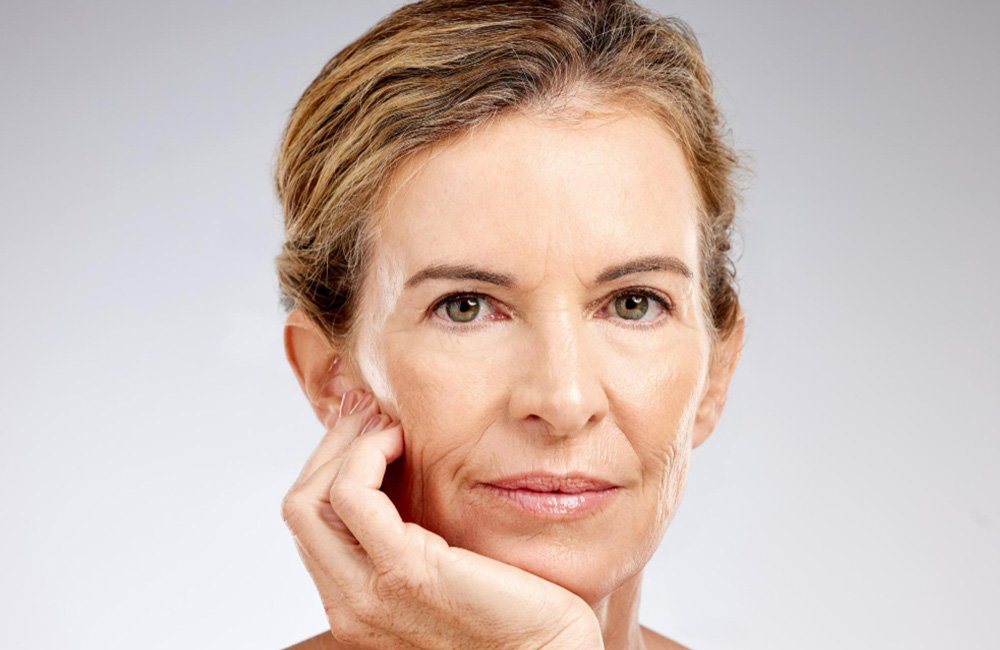
PRP for Forehead Lines

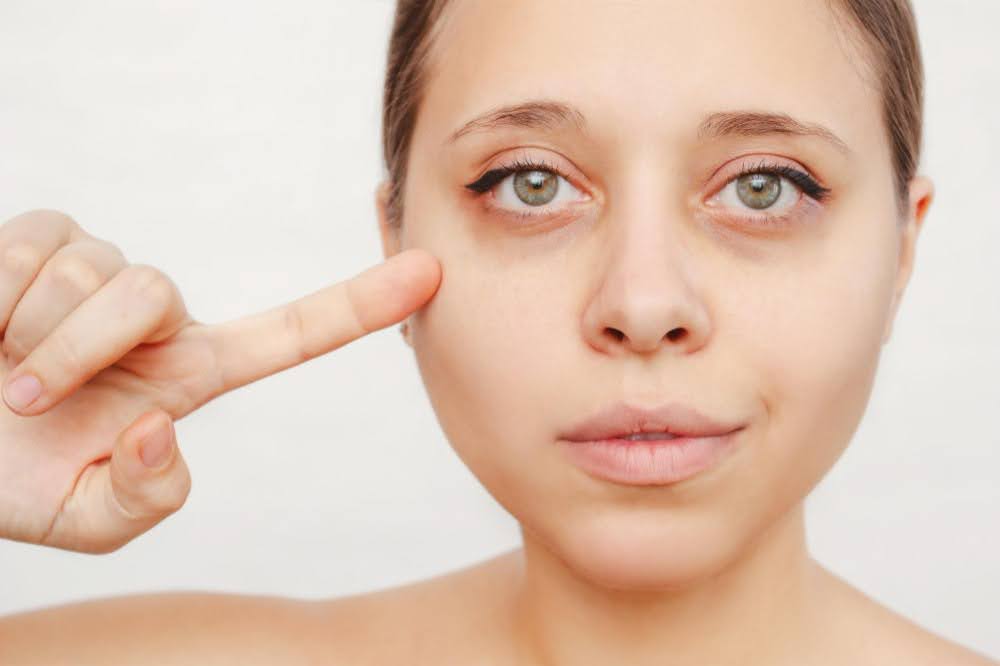
PRP Under Eyes Treatment

PRP for Forehead Lines: Complete Guide

By PRP Skin Care

Have you noticed deep, horizontal lines on your forehead when you look in the mirror? These wrinkles can make you look tired, stressed, or older than you feel, often not responding to regular creams. A PRP treatment may be the best non-surgical solution to smooth forehead lines and restore a youthful look. Let’s understand what PRP treatment is and how it helps in reducing fine lines on your forehead.

Understanding PRP Treatment for Forehead Lines

PRP therapy represents a breakthrough in regenerative medicine, using concentrated platelets from your own blood to stimulate collagen production and cellular renewal. This innovative treatment specifically targets forehead lines by delivering growth factors directly to the affected areas, promoting natural skin rejuvenation from within.

The science behind PRP involves extracting a small amount of your blood, processing it through centrifugation to concentrate the platelets, and reinjecting this potent healing solution into strategic points across your forehead. These platelets contain essential proteins and growth factors that accelerate tissue repair, enhance collagen synthesis, and improve overall skin quality.

How PRP Works for Forehead Rejuvenation

Platelet-rich plasma has up to five times more platelets than normal blood. When injected into the forehead, these platelets release growth factors like PDGF (Platelet-Derived Growth Factor), TGF (Transforming Growth Factor), and VEGF (Vascular Endothelial Growth Factor). These proteins help start your skin’s natural repair process.

The treatment encourages fibroblasts in your skin to make more collagen and elastin. This new collagen helps fill in fine lines and wrinkles, making your skin smoother and firmer. Unlike fillers that just add volume, PRP helps your skin repair itself for longer-lasting results.

Benefits of PRP for Forehead Lines

PRP therapy offers several benefits compared to other forehead wrinkle treatments. Since it uses your own blood, there’s little risk of allergies or rejection. Results develop slowly and look natural, so you won’t get a stiff or unnatural look.

Key benefits include:

  • Natural collagen stimulation and skin tightening
  • Improved skin texture and tone
  • Reduction in fine lines and moderate wrinkles
  • Enhanced skin hydration and elasticity
  • Minimal downtime and side effects
  • Long-lasting results with proper maintenance
  • Compatible with other aesthetic treatments

This treatment can also help with crow’s feet, glabellar lines, and overall skin quality, providing broader facial rejuvenation benefits beyond the forehead.

The PRP Treatment Process at PRP in Seattle

At PRP in Seattle, we follow a clear process to deliver the best results while keeping you comfortable. Everything starts with a detailed consultation with our doctors to assess your skin, discuss your goals, and determine whether the treatment is right for you.

During the procedure, a medical professional takes about 10 to 20 milliliters of blood from your arm. Blood is spun in a centrifuge to separate and concentrate platelets. The final PRP solution is rich in growth factors that support your skin’s natural renewal.

A numbing cream is applied before the injections to keep you comfortable. The practitioner uses fine needles to inject PRP into specific areas of your forehead, focusing on your main areas of concern. The whole treatment usually takes 45 to 60 minutes.

Recovery and Results Timeline

Recovery after PRP treatment for the forehead is quick. Most people experience only mild swelling or redness, which typically resolves within a day or two. You can get back to your usual activities right away, but it’s best to avoid heavy exercise and direct sun for the first day.

You’ll typically see improvements within two to three weeks as your skin produces more collagen. The best results typically appear after about three months, and your skin can continue improving for up to six months. Because the process is natural, your refreshed look develops gradually and looks real.

Results usually last between 12 and 18 months, but things like your age, skin health, and lifestyle can affect how long they last. Many people at PRP in Seattle choose to get maintenance treatments once a year to keep their results.

Ideal Candidates for PRP Forehead Treatment

PRP therapy is a good choice if you want a natural, non-surgical way to treat forehead lines. It works best for people with mild to moderate wrinkles, who are in good health and have realistic expectations. It’s especially helpful for those in their 30s to 60s who want to treat early aging or keep up past improvements.

Some conditions, like blood disorders, infections, or chronic skin problems, may mean PRP isn’t right for you. Pregnant or breastfeeding women should wait before having this treatment. A consultation at PRP in Seattle will help decide if it’s a good fit and create a plan just for you.

Combination Treatments and Enhanced Results

PRP therapy can be combined with other treatments for even better facial rejuvenation. For example, microneedling with PRP improves product absorption and stimulates collagen production. Some people also combine PRP with neurotoxin treatments to target different types of forehead lines at the same time.

A good skincare routine helps maintain your PRP results between treatments. Using medical-grade products containing ingredients such as retinoids, peptides, and antioxidants can support your skin’s renewal after PRP therapy.

Safety and Expertise at PRP in Seattle

PRP in Seattle maintains the highest safety standards, using FDA-cleared equipment and adhering to strict sterile protocols. The medical team possesses extensive training in PRP therapy and facial anatomy, ensuring precise injection techniques that maximize results while minimizing risks.

Because PRP uses your own blood, your body accepts it easily, and there’s almost no risk of a bad reaction. Minor side effects such as swelling or bruising may occur but usually resolve on their own.

FAQs

How many PRP sessions are needed for forehead lines?

Most patients achieve optimal results with a series of three treatments spaced four to six weeks apart, followed by annual maintenance sessions.

Is PRP treatment painful for forehead wrinkles?

The procedure involves minimal discomfort thanks to a topical numbing cream. Most patients describe feeling slight pressure or mild pinching during injections.

How long before I see results from PRP forehead treatment?

Initial improvements appear within two to three weeks, with further enhancement over three to six months as collagen regenerates.

Can PRP be combined with Botox for forehead lines?

Yes, PRP complements neurotoxin treatments effectively. Many patients receive both treatments as part of a comprehensive approach to forehead rejuvenation.

What is the cost of PRP treatment for forehead lines in Seattle?

Treatment costs vary based on individual needs and the number of sessions required. PRP in Seattle provides detailed pricing during your consultation.

Take the Next Step Toward Smoother, Younger Looking Skin

You don’t have to let forehead lines affect how you look or feel. PRP therapy at PRP in Seattle is a proven, natural way to refresh your face and get real, lasting results. Our team customizes each treatment to your needs and helps you keep your natural expressions. Contact us today at (206) 279-2112 to schedule a consultation or book online and see how PRP can help restore a smoother, younger-looking forehead. 

PRP EZ Gel

Why PRP EZ Gel Tear Trough Treatments Are the Future of Natural Under-Eye Enhancement in Seattle & Tacoma

By PRP Skin Care

No one likes looking in the mirror and seeing dark circles, puffiness, or hollow under-eyes staring back. Whether it’s from late nights, stress, or just genetics, that tired look can be frustrating to deal with. Concealers help mask the problem, and surgery is a big commitment. But what if there was a way to actually refresh your under-eyes—using your body’s own natural healing power?

Yes, you read that right. With PRP EZ Gel Tear Trough Treatments, achieving fresh, rejuvenated eyes is very much possible. By combining platelet-rich plasma (PRP) with advanced gel technology, this treatment not only restores volume but also revitalizes skin from within.

No fake-looking fillers. No scalpels. Just a smarter, more natural way to revive your under-eyes. In this blog, we’ll explore why PRP EZ Gel treatments are gaining popularity in Seattle and Tacoma and why they could be the right choice for you.

Why Are Tear Troughs So Difficult to Treat?

Under-eye issues, such as dark circles, puffiness, and hollowness, are challenging to treat because the skin in this region is thin and delicate. Tear troughs stand out from other under-eye treatments because they require careful treatment to achieve a smooth, natural appearance. Other types of under-eye treatments, such as conventional fillers or surgery, might not provide the subtle, youthful outcomes that many patients seek. 

What Are PRP EZ Gel Tear Trough Treatments?

PRP (Platelet-Rich Plasma) EZ Gel is the revolutionary under-eye treatment that combines the natural healing potential of your own blood with hyaluronic acid (HA)—a component already present in your skin. A small amount of your blood is taken and processed to isolate and concentrate the platelets, which contain growth factors. This platelet-rich plasma (PRP) is then combined with HA to form a silky, gel-like filler. When injected into the tear troughs, it has a two-fold effect: the HA provides instant volume to soften hollows, and the PRP stimulates collagen production for more lasting rejuvenation. In contrast to synthetic fillers or surgery, PRP EZ Gel relies on your body’s own biology to achieve results that look and feel completely natural.

The Science Behind Platelet-Rich Plasma (PRP) in Skin Rejuvenation

Platelet-rich plasma (PRP) is an autologous (self-derived) concentration of platelets, growth factors, and cytokines extracted from a patient’s own blood. Clinically, PRP accelerates tissue repair and regeneration through three key mechanisms: 

  • Collagen Synthesis: PRP releases growth factors (e.g., TGF-β, PDGF) that activate fibroblasts, thereby increasing the production of Type I and III collagen—essential for maintaining skin thickness and providing structural support.
  • Angiogenesis: Vascular endothelial growth factor (VEGF) in PRP stimulates microcirculation, improving nutrient delivery and skin tone in the tear trough area.
  • Extracellular Matrix Remodeling: By modulating matrix metalloproteinases (MMPs), PRP helps restore skin elasticity and reduce fine wrinkles over time.

When injected into the tear trough region, PRP enhances the volume and improves the skin quality of the area. 

PRP EZ Gel vs. Traditional Fillers: Why It’s a Better Choice for Under-Eyes

Traditional dermal fillers are effective at addressing under-eye hollows but may come with some concerns, like unnatural appearance, rapid breakdown, or the risk of complications. PRP EZ Gel, on the other hand, offers several advantages, including reduced risk of side effects, a more natural look, and the added benefit of skin rejuvenation. 

Feature PRP EZ Gel Treatment Traditional Fillers
Natural Results Uses your own blood for a more natural look May appear artificial or overfilled
Longevity Lasts longer with skin rejuvenation Requires more frequent touch-ups
Side Effects Minimal, as it uses your own plasma Higher risk of lumps, bruising, or reactions
Skin Health Promotes collagen and skin regeneration Primarily focuses on volume replacement
Recovery Time Quick recovery with minimal downtime Longer recovery with potential swelling or bruising

Longevity & Safety of PRP EZ Gel Tear Trough Treatment

PRP EZ Gel Tear Trough Treatments offer long-term results with effects that last several months. The rejuvenating benefits can be sustained with regular treatments, making it an excellent option for those seeking lasting under-eye improvement without the need for frequent touch-ups. As for safety, PRP EZ Gel is considered highly safe due to its use of your own blood, minimizing the risk of allergic reactions or complications. This makes it a low-risk and natural choice for under-eye enhancement, providing effective and reliable results.

Final Word

If you are interested in a natural, comparatively safer non non-invasive solution to enhance your under-eye appearance, PRP EZ Gel Tear Trough Treatments could be the right option for you. Not only do they offer safe, long-lasting results, but they also harness your body’s natural healing properties for a truly rejuvenated look. 

Get Refreshed Look with PRPinSeattle

If you are done seeing the constant tired look on your face every morning, PRP EZ Gel at PRPinSeattle can help rejuvenate your appearance. PRP in Seattle specializes in PRP EZ Gel Tear Trough Treatments and can tailor a plan just for you. Call (206) 279-2112 or click here to book your consultation today and see why patients across Seattle and Tacoma trust us for subtle, lasting results.

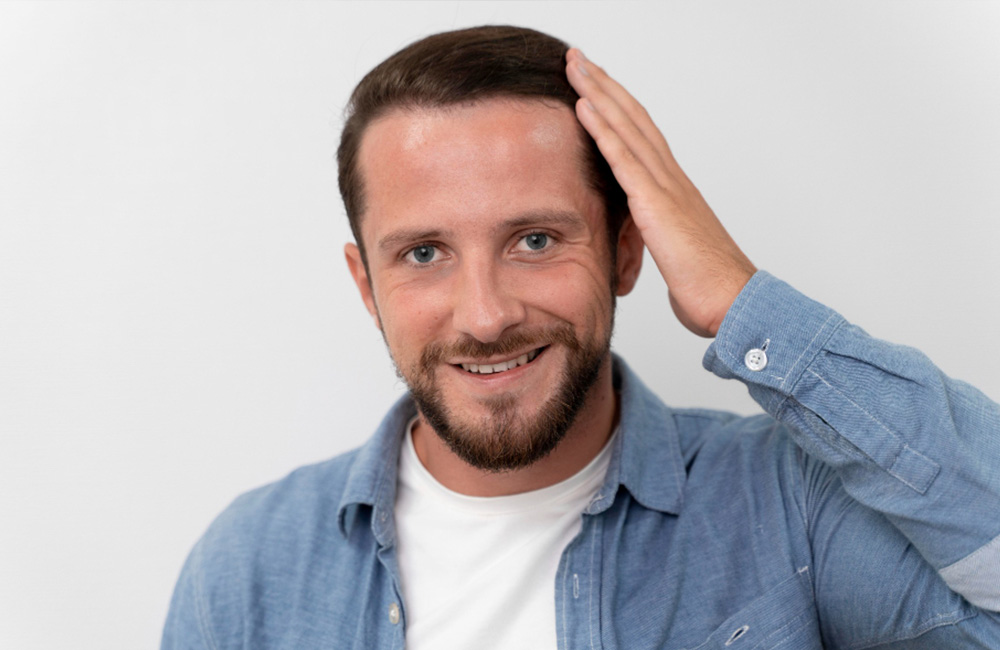
PRP Hair Treatment Side Effects

What Are The PRP Hair Treatment Side Effects?

By Platelet Rich Plasma, PRP Skin Care

There are numerous treatments available to enhance the looks, but PRP treatment has come up to be the most effective with minimal side effects. The PRP treatment is used to treat various issues like hair restoration, skin rejuvenation, and medical conditions like joint pains, etc. Whatever your reason to opt for PRP, you must be aware of the side effects. Although it uses the patient’s own blood to make the platelet-rich plasma, which makes it considerably safer, there are still a few side effects, which are the natural response of the body towards the foreign injection. 

In this blog, we will explore various side effects that could happen after the PRP treatment. Let’s learn!

What Is A PRP Treatment?

PRP treatment involves drawing out a small amount of the patient’s blood, and after centrifugation, the plasma is separated from the blood. The platelet-rich plasma is then inserted into the area for treatment with the help of a fine needle. For hair treatment, PRP is an effective solution. When the needle is injected into the scalp, it promotes growth factors, encouraging the hair follicles to enter the growth phase. It results in stronger and denser hair. 

Common Side Effects of PRP Treatment 

PRP treatment uses needles, and thus it has side effects that could be basic reactions of the body, such as: 

1. Pain and Discomfort 

You can feel some level of pain and discomfort at the injection site. As the injection site could be more than one on the scalp, you can feel the discomfort all over the scalp. These side effects will fade away in some time. 

2. Swelling and Bruising 

Whenever even a tiny needle enters the body, it results in mild swelling. The effect of swelling at the injection site will disappear after a few hours of treatment. Bruising can happen around the injection site area, which also resolves on its own after a few days. However, applying a cold compress is a good solution to deal with the swelling and bruising. To follow aftercare instructions is always advisable. 

3. Itching and Tingling Sensation 

After the PRP treatment, many patients have reported itching and tingling sensations as a healing process of the scalp after the PRP injections. This sensation is very mild and can fade away in a few days. 

4. Headache

All these side effects, like pain, itching, and discomfort, can lead to short-lived headaches. You can treat the headache by taking a prescribed painkiller.Mild massage on the scalp can help with good blood circulation and make the itching and other side effects go away faster. 

There are other side effects that could be a bit complicated to handle and need to be addressed immediately by your doctor, such as:

5. Infections 

Infections are extremely rare in the case of PRP, as the needle can make the injection site to expose it to bacteria. Make sure to keep the needle sterile and get the procedure done only by a certified provider. 

6. Allergic Reactions 

People allergic to anesthesia may get some sort of allergy, like redness on the face or neck. If you experience anything like this, you must immediately consult your doctor. 

7. Scar Tissue Formation 

Some patients might get scars at the injection site. This is a rare occurrence as the PRP treatment does not require incision, thus scar formation is quite rare in this case. 

Final Thought 

PRP treatment is known for its effective results not only in cosmetic procedures but also in treating medical conditions. When using PRP for hair treatment, be prepared to deal with some mild side effects like redness, swelling, itching, and bruising on the injection site. While there could be some rare side effects too, like allergic reactions and infections, you can save yourself from these by choosing a certified and experienced provider. Consult your doctor and fully describe your medical history to avoid complications post-treatment.

Exercise After Getting Botox

Can You Exercise After Getting Botox?

By PRP Injections, PRP Skin Care

You’re a runner–a weightlifter–a fighter–a yoga…er. The point is you like to exercise. Well, maybe you don’t like it, but you do it for your health or to be social and spend time with friends. Whatever your reasons for exercising, you want to know what might keep you from it. Sure, an injury or a full-blown surgical procedure will of course throw a wrench in your weekly activity plan. But what about a non-invasive cosmetic treatment like Botox?

Botox has been around for a long time. It’s safe and has a well-known history of positive results and outcomes. You’ve heard plenty about it and probably seen results on some of your friends or family members. You’re not worried about what other people will think if you get Botox. But you’ve never taken the plunge. The question is: Why not? 

You’ve wanted to do something about the wrinkles on your face for some time now. Maybe you haven’t had Botox injections because you’re busy, haven’t found a clinic you trust, or haven’t had a minute to think about adding anything extra to your to-do list. The good news? Botox isn’t a strenuous commitment. Yes, you’ll need follow-up injections, but each session is about thirty minutes out of your day. It only takes the equivalent of your lunch break (or less) or your favorite sitcom run time to get the younger-looking face you want. And the best part? You can get back to work, errands, home, or your kids without any downtime–except when it comes to exercise.

Why Do You Need To Wait To Exercise After Botox Injections?

There’s a short period after Botox when you should avoid exercising. Why? Well, Botox is a liquid injectable. It can move around if you don’t give it time to settle into the right muscles. If it does shift, it can affect the wrong areas and temporarily impact other muscles, or at least make your results less noticeable and satisfying. 

Too much pressure in your head can lead to the risk of Botox moving and being less effective, too. Keeping your head elevated helps ensure you’ll get the full benefits of your session. This is another reason you should wait a while before working out. Exercise also promotes blood flow, and that’s not the best thing right after your injections. The goal is to let the Botox stay where it’s injected until it reaches its maximum effectiveness.

It’s not just exercise that puts pressure on your head. Lying down can move your Botox around too. It’s best not to nap for several hours, but you can still relax with a good book, a movie, or a nice meal and quality time with your friends or family.

When Can You Start Exercising After Botox?

Give yourself at least four hours after your injections before you do anything besides a leisurely walk around the block, or through the park, or to the–you get the idea. After four hours, you can do some light activity. Any strenuous exercise should wait until a full 24 hours after your session. That means no jogging, swimming, weightlifting, etc. Once you’ve hit the 24-hour mark, you’re free to do as you please, as long as your provider didn’t tell you otherwise.

Tips To Get The Best Results From Your Botox Session

What are some other things that can help you get the most out of your Botox session?

  • Don’t massage your face for a bit. It can make Botox spread to other muscles.
  • If your provider recommends facial exercises, make sure you do them. It can help you get the most out of your treatment.
  • Keep your skin hydrated by keeping your body hydrated.
  • If you have bruises after your injections, use a lightweight cold or ice pack. Remember to avoid pressure on your face.

Get High-Quality Botox And Treatment

When it comes to cosmetic treatments, we all want them to be quick, painless, and immediately effective so they give us the best outcome right away. Sounds too good to be true? Not necessarily. Your Botox injections can be fast, minimally painful, and leave you with instant results. Just make sure you postpone the cardio until the day after your session, and you’re good to go!

A Photo For A Blog Post About

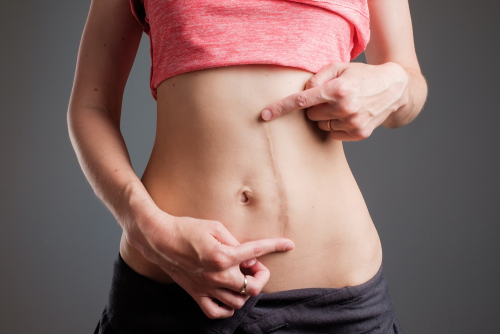
Does PRP Work For Surgical Scars?

By PRP Skin Care

Platelet rich plasma treatments such as PRP microneedling and injections can help address the look of acne scars. Additionally, surgeons have used PRP in surgery for decades to help promote better surgical incision healing. However, does PRP work for surgical scars that have already healed?

Yes, PRP can help improve the appearance of healed surgical scars. PRP microneedling and laser resurfacing with PRP can help reduce the prominence and pigment of the scar. With that said, it cannot fully remove a surgical scar. Combined with other non-PRP treatments like radiofrequency or chemical peels can also help.

For fresher scars, patients may see better results when treating surgical scars. Though procedures such as microneedling should not be performed until the scar has fully healed over, which is usually at least three months after the procedure. However, the scar is still forming which makes this the sweet spot for treating surgical scars.

To learn more and schedule a consultation, call us at 206-279-2112. You can also reach out online via chat or contact form.

A Photo For A Blog Post About How Long After Microneedling With PRP Can I Wash My Face

How Long After Microneedling With PRP Can I Wash My Face?

By Platelet Rich Plasma, PRP Skin Care

Microneedling with PRP is a procedure that makes tiny punctures on the surface of the skin to stimulate a collagen response. Thus, the face is often red and patients will need to alter their normal skincare routine to avoid irritation. A common question is, “How long after microneedling with PRP can I wash my face?”

Generally, it is best to skip washing your face on the day of treatment. By the next day, it is usually fine to resume washing your face. However, make sure to use a gentle cleanser and avoid cleansing too much. Avoid other forms of exfoliation for at least a week. Moisturizer is usually fine to continue once you cleanse, but harsh serums, retinol, and toner will need to be discontinued for around one to two weeks.

Your master esthetician will provide instructions based on your specific skin and procedure. They can also make recommendations on the type of cleanser to use and any other products that are safe to use. 

Microneedling with PRP is a fantastic procedure to help reduce the signs of aging and treat skin conditions such as acne scars and sun damage. To learn more and schedule a consultation, call us at 206-279-2112. You can also reach out online via chat or contact form.

A Photo For A Blog Post About Does PRP Tighten The Face

Does PRP Tighten The Face?

By PRP Skin Care

Platelet rich plasma provides several benefits to the face. Whether applied topically or injected, it can help rejuvenate the skin for a more youthful appearance as well as treat certain skin conditions. Those seeking aging treatment, often ask, “Does PRP tighten the face?”

PRP can help tighten the skin, but depending on the extent of the loose skin, patients may want to use other treatments in addition to PRP. For example, RF microneedling with PRP is one of the best treatments for helping to tighten the skin. However, PRP plays only a minor role in that process by speeding up the healing process and promoting longer lasting skin benefits.

Overall, patients see the best skin tightening results from PRP combined with microneedling. PRP injections can help produce more collagen and elastin to fill in wrinkles and hollows. Though, patients should have realistic expectations and know that it takes more sessions for a subtler result than dermal fillers.

If improving skin quality to treat or prevent loose skin, then a PRP treatment may be right. To learn more and schedule a consultation, call us at 206-279-2112 or reach out online via chat or contact form.

A Photo For A Blog Post About What Are The Side Effects Of RF Microneedling With PRP

What Are The Side Effects Of RF Microneedling With PRP?

By Platelet Rich Plasma, PRP Skin Care

RF microneedling with PRP is a procedure that combines the physical and biological stimulation of collagen production. Microneedling uses tiny needle pricks to instigate a collagen response. PRP then boosts this response with its presence in the area. This makes it one of the most effective professional skin treatments out there. Let’s look at the question, “What are the side effects of RF microneedling with PRP?

Microneedling with PRP—whether with or without radiofrequency—can come with some minor side effects. Immediately following the procedure, the skin may appear red and feel tight or extra sensitive. This is normal and your master esthetician will apply products to help soothe and protect the skin.

In the coming days, a small amount of soreness and swelling may occur. However, bruising and major swelling are rare. Peeling is uncommon, but not often a cause for concern. Side effects of RF microneedling with PRP should subside in a week or less. Full results of the procedure are expected in about two weeks.

To learn more and schedule a consultation, call us at 206-279-2112. You can also reach out online via chat or contact form.

A Photo For A Blog Post About Does PRP Change Your Face

Does PRP Change Your Face?

By Platelet Rich Plasma, PRP Skin Care

Platelet rich plasma has several uses including helping to add volume to the face and rejuvenate the skin. While a non-surgical procedure, patients sometimes worry that PRP will change their face too much. So let’s look at the question, “Does PRP change your face?”

PRP can change the face, but not so dramatically that patients need to be worried about their entire appearance changing. The art of cosmetic PRP focuses on subtle results. For example, injecting platelet rich plasma into the under eyes, often takes around three sessions to see visible results. However, the volume comes from your own body’s collagen response. Thus, it almost always looks completely natural.

Skin rejuvenation can help even the skin tone and fade scars. However, it is unlikely that PRP will make any dramatic changes to your face. Patients do not need to be concerned with platelet rich plasma or platelet rich fibrin treatments changing their face beyond repair.

To learn more and schedule a consultation, call us at 206-279-2112. You can also reach out online via chat or contact form.