
Category

Hair Restoration

A Photo For A Blog Post About Is PRP Better Than Minoxidil

Is PRP Better Than Minoxidil?

By Hair Restoration, Platelet Rich Plasma

When it comes to non-surgical hair restoration options, one of the most well known is a medication known as minoxidil. Applied topically, it stimulates hair regrowth and can counteract pattern baldness. However, while minoxidil has been around for decades, PRP treatment for hair loss has only been commonly performed for about a decade. Is PRP better than minoxidil?

It depends on the person, extent of hair loss, and various other factors. For many people who have tried minoxidil and not found success, adding PRP injections or using them instead often will yield better results. Ultimately, our hair experts recommend trying multiple options to see what provides the best results.

While many people find great success with one method over the other, it is also possible to combine them. Combining PRP hair restoration and minoxidil treatment will often increase and positively influence the results of the other. It is not always necessary to use them together, however. Discuss what you have tried in the past and anything you currently use for hair restoration during your consultation appointment. 

To schedule a consultation, call us at 206-279-2112. You can also reach out online via chat or contact form.

A Photo For A Blog Post About Does PRP Work For Frontal Hair Loss

Does PRP Work For Frontal Hair Loss?

By Hair Restoration, Platelet Rich Plasma

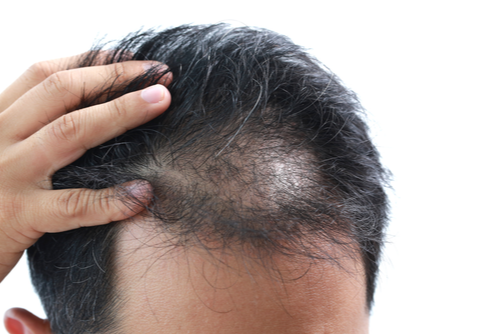
Frontal hair loss is most common in men experiencing male pattern baldness. Generally, male pattern baldness begins along the hairline and slowly recedes backward and inward. If a man wants to slow his hair loss, it is imperative that he take action during these early stages. However, it is not always clear what the best treatment for this is. Let’s look at the common question, “Does PRP work for frontal hair loss?”

The answer to this question depends on the stage of hair loss a man is at. At a certain point, only a certain amount of hair can be recovered. Though, platelet rich plasma hair restoration does work for frontal hair loss. Studies have shown that it is comparable to prescription medications such as minoxidil. In fact, our providers will often recommend using medications and undergoing PRP treatments for the best results.

If the hair loss is more advanced, it’s unlikely that the hairline can be completely restored. Usually, within six months to a year of when the hair was originally lost, the follicles have a good chance of recovery. Though, this is highly dependent on the individual patient, their platelet count, and genetics.

To learn more and to schedule a consultation, call us at 206-279-2112. You can also reach out online using chat or contact form.

A Photo For A Blog Post About Benefits Of PRP Hair Restoration After Hair Transplant Surgery

Benefits Of PRP Hair Restoration After Hair Transplant Surgery

By Hair Restoration, Platelet Rich Plasma

PRP hair restoration is considered among the most effective non-surgical hair restoration techniques. Though, a less common, but especially lucrative use of PRP hair injections is after hair transplant surgery. Let’s take a closer look at some of the benefits of PRP hair restoration after hair transplant surgery.

Immediately after a hair transplant, it will take some number of weeks or months to see new hair growth. Final results can take a year in some cases. However, studies have shown that if patients undergo platelet rich plasma injections after their surgery, they often see faster, thicker, and better hair growth following hair transplant surgery.

It can also prevent and slow any future hair loss that could occur. While patients usually do not see widespread hair loss following hair transplant, it can happen and even just yearly treatments of PRP hair restoration can help men and women keep their transplanted longer and healthier.

To learn more about the benefits of PRP hair restoration injections, schedule a consultation by calling 206-279-2112. You can also reach out online using chat or contact form.

A Photo For A Blog Post About Can PRP Help A Receding Hairline

Can PRP Help A Receding Hairline?

By Hair Restoration, Platelet Rich Plasma

A receding hairline is one of the most relevant cosmetic concerns for men and some women. It can start sometimes as early as high school or college in those with a genetic predisposition. Most men will experience a receding hairline to an extent, but the severity and visibility of it will depend largely on their genetics and various other factors. Since there is little to do to stop a receding hairline, our patients often ask, “Can PRP help a receding hairline?”

The answer is yes, but the way it will help will be different for every individual. Though, most PRP experts agree that platelet rich plasma injected into the areas of loss can maintain the current position of your hairline and slow down the overall loss. Depending on how long ago you lost hair further up in your hairline, it may even result in some restoration. 

The hairline is a tricky area to restore non-surgically. While possible, patients will usually see the best results if they start treatment as quickly as they can once they notice their hairline receding. This will likely yield the best results.

To schedule a consultation, call us at 206-279-2112. You can also reach out online using our chat or contact forms.

A Photo For A Blog Post About Who Are Good Candidates For PRP Hair Injections

Who Are Good Candidates For PRP Hair Injections?

By Hair Restoration, Platelet Rich Plasma

Platelet rich plasma is becoming one of the most utilized and sought after hair restoration treatments. It is especially helpful for men and women who are experiencing hair thinning but are not yet candidates for a hair transplant surgery. However, much like a surgical procedure, there are a small number of patients who are not good candidates for PRP hair restoration. Let’s take a look at the question, “Who are good candidates for PRP hair injections?” and if you may qualify.

First off, since platelet rich plasma injections are a non-surgical procedure, they have a much larger candidates pool than hair transplant surgery. Though, there are still situations and medical conditions that may hinder your ability to undergo PRP hair restoration. Looking at the more common reason patients are not good candidates: severity of hair loss. PRP hair restoration is best for people beginning to experience hair thinning or genetic hair loss. If you have lost large amounts of hair, are completely bald, or the hair loss is simply too severe, PRP is likely not the right solution for you.

Health concerns are a less common reason that patients may not qualify for PRP hair injections. Since the procedure consists of a blood draw and injections, most people can safely undergo this without a large amount of risk. However, if you have severe autoimmune disease or blood disorder, you may not be a candidate. If you take blood thinning medications or supplements, you may need to temporarily stop them. Though, this alone does not disqualify you from the treatment.

To find out if you are a good candidate for PRP hair injections, set up a consultation by calling 206-279-2112. You can also reach out online via chat or contact form.

A Photo For A Blog Post About Can Stem Cells Cure Hair Loss

Can Stem Cells Cure Hair Loss?

By Hair Restoration

Hair loss–while often a natural part of aging for some people–can cause a lot of insecurity and distress. For men and women who experience genetic hair loss, they often want to know if it can be stopped. There are many treatments for hair loss that can slow the loss and sometimes even restore hair. However, many of these are not permanent solutions. With many new options, patients wonder, “Can stem cells cure hair loss?”

Before answering this question, it is important to look at the different causes of hair loss and the available treatments. The most common cause of hair loss in the average person is genetic. Some people are predisposed to hair loss as they get older. While especially common in men, it can also occur in women. Some mild hair loss or thinning is normal during the aging process, but genetic hair loss happens quicker, in larger areas, and can lead to total baldness.

Genetic hair loss cannot be cured or reversed. Other forms of hair loss such as those related to medications, autoimmune diseases, and injuries can often be restored completely depending upon the situation. However, when baldness has an outside cause like this, even restoration treatments are unlikely to help.

So, the quickest answer is, no, stem cells do not cure hair loss. They do significantly slow it though and often contribute to having thicker hair longer. It may even fill in areas of thinning. To schedule a consultation, call us at 206-279-2112. You can also reach us online using chat or contact form.

A Photo For A Blog Post About What Is The Maximum Age For PRP Hair Restoration

What Is The Maximum Age For PRP Hair Restoration?

By Hair Restoration, Platelet Rich Plasma

Platelet rich plasma hair restoration is a non-surgical hair restoration method that needs to begin before hair loss reaches a critical point. Typically, the best time to start PRP hair restoration is when hair is beginning to thin. Therefore, some providers may discuss age limits on the procedure, or not want to treat patients above a certain age. What is the maximum age for PRP hair restoration? 

In technicality, there is no “maximum” age that one reaches where they are no longer a candidate for PRP hair restoration in Seattle. However, it is especially unlikely and uncommon for patients above 35 to undergo the treatment. While not impossible, most patients have passed the threshold of hair loss by that age where PRP hair restoration would simply not provide the ideal results.

The providers at PRP In Seattle have treated patients as young as their early twenties to their forties and beyond. A good rule to follow is if you have large areas of no hair (more than just patches of thinning) or are completely (or almost) bald, PRP hair restoration is likely not the right treatment for you. 

Ultimate, the best way to determine if you are a good candidate for PRP hair restoration is to schedule a consultation at PRP In Seattle. Call us at 206-279-2112 or reach out online using our chat or contact form.

A Photo For A Blog Post About What Is The Success Rate Of PRP Injections

What Is The Success Rate Of PRP Injections?

By Hair Restoration, Platelet Rich Plasma, PRP Injections

Platelet rich plasma injections have been used for decades in sports medicine, particularly to treat soft tissue injuries and pain. PRP injections have shown great success in slowing the rate of hair thinning and non-surgically restoring hair. Before undergoing PRP hair restoration, patients often want to know, “What is the success rate of PRP injections?”

Overall, the success rate of PRP injections depends on the patient, how extensive their hair loss, and biological factors. Usually, after two to three treatments, patients begin to see the rate of hair thinning slow and some hair regrowth. After the initial round of four to six treatments, PRP hair restoration requires at least one yearly touch-up treatment to maintain results. 

While there is no consensus on the exact success rate of PRP injections for hair restoration, it sits between 70-90% for the average patient. It tends to work better in younger patients beginning to experience the effects of genetic hair loss and thinning. However, your provider will discuss this with you. 

Factors that may reduce the effectiveness of PRP are if you smoke, if your hair loss is too far along, if you’re completely bald, or if the hair loss is due to another medical condition or medication. Success rates of other PRP injections are similar and tend to be in the 80 percentile.

To schedule a consultation, call us at 206-279-2112. You can also reach out to us online via our contact form or chat.

A Photo For A Blog Post About Does PRP For Hair Really Work?

Does PRP For Hair Really Work?

By Hair Restoration, Platelet Rich Plasma

When considering hair restoration options, patients want to try the ones they can feel confident will provide results. Since reasons for hair loss differ and every individual person responds differently to every treatment, it can be difficult to find the right hair restoration technique for you. When patients come to us with concerns about hair restoration, a frequent question we hear is, “Does PRP for hair really work?”

PRP hair restoration is a great method for restoring thinning hair and reversing the early stages of genetic hair loss. It can slow the hair loss process. Therefore, PRP for hair usually does work well in these situations. Occasion touch up treatments every year or so can continue to hinder hair loss as you grow older. 

For patients who have seen more rapid hair loss or who are at the more advanced stages of hair loss, PRP hair restoration may not be the most effective option. Sometimes, in cases where hair was lost due to medications or disease, PRP may help hair growth once resolved. Though, the hair usually will return regardless. Otherwise, for older patients or those with more extensive loss, your provider may recommend hair transplant surgery or other similar procedure.

PRP hair restoration can work well with other hair restoration treatments such as minoxidil. Your provider can discuss these options with you. To schedule a consultation, call us at 206-279-2112. You can also reach out online via chat or contact form.

A Photo For A Blog Post About Is Platelet Rich Plasma The Same As Stem Cells?

Is Platelet Rich Plasma The Same As Stem Cells?

By Hair Restoration, Platelet Rich Plasma

When it comes to non-surgical hair restoration, there many different options. Patients may often hear terms like “PRP”, “stem cells”, and “ACell” when it comes to some of these options. It can be confusing to tell the difference between what these regenerative technologies work and what they are. A common question we hear related to this is, “Is platelet rich plasma the same as stem cells?”

Platelet rich plasma and stem cells are different. First, let’s understand what platelet rich plasma is and how it works. Platelet rich plasma is a component of your blood–specifically plasma–that is especially rich in platelets which are small cell clusters that promote blood clotting. When used in hair restoration, platelet rich plasma instigates your body’s healing response to repair hair follicles and hair regrowth.

Stem cells are the rawest form of your body’s cells. This means that they have the potential to develop into a variety of different types of cells. When used for hair restoration, stem cells can work as a repair system and become cells that rejuvenate the scalp and build a healthy environment for new hair. 

At PRP In Seattle, we sometimes combine PRP and stem cells together during hair restoration treatments for improved results and to give you the best chance of seeing optimal results. To schedule a consultation, call us at 206-279-2112. You can also reach us online via chat or contact form.